

So you’re searching for subscription box business ideas that make sense now. Good news. You picked the right year.
People still crave surprise in their mailbox, and they still pay for boxes built with real thought behind them.
Here’s what changes everything, though. Most people chase a trendy niche and skip the numbers. You won’t do that.
You’ll pick one idea, price it right, and fix the small problems that make buyers stay past month one.
You don’t need a warehouse. You don’t need investors. You need one focused product, a handful of loyal early buyers, and a plan that respects your time and your money.
Subscription box business ideas aren’t a gamble anymore. They’re a proven path, if you build with patience instead of hype. Let’s turn your idea into income.
Startup Costs for a Subscription Box Business in 2026
Money questions come first for most new owners. Here is a real cost breakdown.
| Cost Item | Typical Range |
| Business registration and legal setup | $500 – $1,000 |
| Starting inventory | $2,000 – $30,000 |
| Subscription platform (monthly) | $39 – $99 |
| Packaging and box design | $500 – $3,000 |
| Shipping per box (2-5 lbs) | $8 – $14 |
| Marketing launch budget | $1,000 – $5,000 |
A full launch budget usually falls between $5,000 and $50,000, depending on product type and scale.
Platform fees matter too. Cratejoy charges 1.25% plus $0.10 per transaction.
Shopify with a subscription app runs closer to $99 a month but gives more design freedom.
Pick Cratejoy if you want the fastest launch. Pick Shopify if you plan to scale past a few hundred subscribers.
Break-Even Math You Need Before You Launch
Most subscription box business ideas break even between 200 and 500 subscribers at a $30 to $50 price point. Here is a simple example.
- Box price: $45/month
- Cost of goods: $20
- Shipping: $12
- Fixed monthly costs: $1,200
That leaves $13 profit per box. You need about 92 subscribers just to cover fixed costs. Anything above that is real profit.
Track this number every month. Many first-year box owners skip this step and run out of cash before month six. Don’t skip it.
Which Subscription Box Business Ideas Suit You Best Now
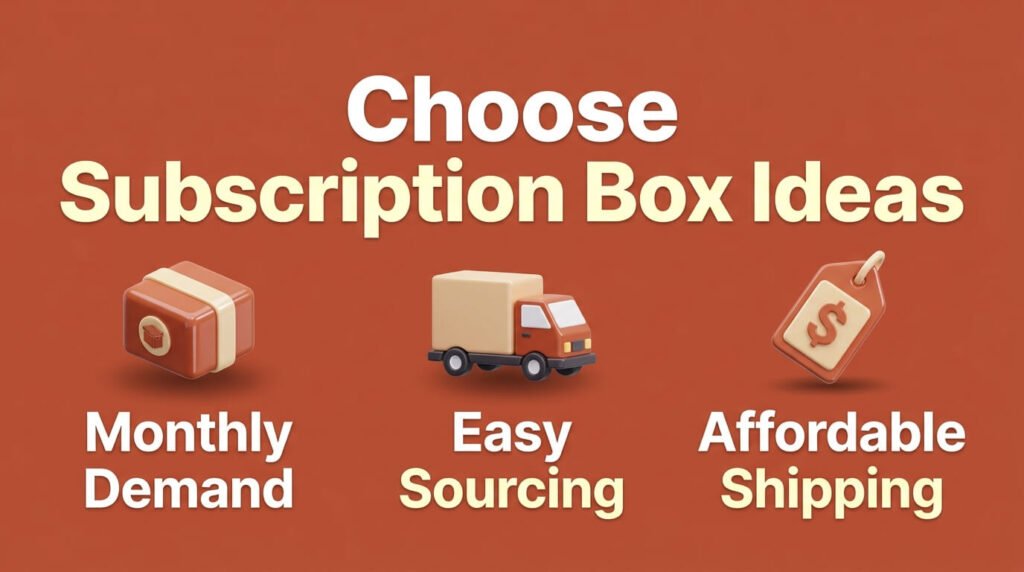
Picking the right idea matters more than picking a trendy one. A good subscription box business idea needs three things.
People must want it every month. Suppliers must be easy to find. Shipping must stay cheap and safe.
Let’s explain 12 subscription box business ideas with strong demand right now. Use this as a starting point. Then pick one niche and go deep.
1. Skincare & Beauty Box
Skincare sells because people run out of product fast. That keeps buyers coming back on their own.
Build a short skin quiz at signup. Ask about skin type, age, and concerns like acne or dryness.
Use the answers to pick trial-size products each month. Partner with small skincare brands who want exposure. Many will trade free samples for a spot in your box.
FabFitFun built its whole brand around this model. They ship beauty, wellness, and lifestyle items in one seasonal box.
Earning potential: $2,000 to $15,000+ per month, depending on subscriber count and product cost.
2. Specialty Coffee Box
Coffee drinkers buy on repeat. That makes coffee one of the safest subscription box business ideas for beginners.
Partner with small roasters instead of big brands. Rotate a new origin or roast style each month.
Add a tasting card with notes on flavor and brew method. This turns a simple bag of beans into an experience.
Earning potential: $1,500 to $10,000 per month. Margins stay healthy since coffee ships light and lasts long.
3. Pet Treats & Toys Box
Pet owners spend freely on their animals. This niche keeps growing every year.
Source pet-safe treats and toys from small makers. Let buyers pick a size filter for their dog or cat.
Add a seasonal theme, like a holiday box or a summer box. BarkBox proved this model works at scale, shipping toys and treats built around a monthly theme.
Earning potential: $2,000 to $12,000 per month. Churn stays low since pets need treats often.
4. Men’s Grooming Box
Men want convenience more than variety. A grooming box gives them both.
Bundle razors, skincare, and grooming tools into one monthly shipment. Keep the packaging simple and sturdy.
Dollar Shave Club built a massive business on this exact model, shipping razors on a set schedule.
Earning potential: $1,800 to $9,000 per month. Replenishment items like razors keep churn low.
5. Snack & Regional Food Box
Snack boxes bring strong demand but need careful planning. Taste is personal. Not every snack lands with every buyer.
Curate shelf-stable snacks by region or diet type. Focus on one clear theme, like Southern snacks or gluten-free treats.
Try The World grew from 500 to 50,000 subscribers in 15 months using this exact regional approach.
Earning potential: $2,000 to $14,000 per month. Watch churn closely since taste varies buyer to buyer.
6. Book Box (Genre-Specific)
Readers love discovering new titles picked just for them. A genre-specific box builds a loyal following fast.
Pick one genre, like mystery, romance, or fantasy. Pair each new release with a themed gift, like a candle or a bookmark.
Book of the Month and OwlCrate both built strong communities around this format.
Earning potential: $1,200 to $8,000 per month. Lower per-box cost keeps margins steady.
7. Wellness & Supplement Box
Wellness sells year-round. People want easy ways to build healthy habits without extra research.
Ship vitamins, adaptogens, or recovery tools each month. Add a short guide explaining how to use each item. This niche pairs well with a quiz at signup, similar to skincare boxes.
Earning potential: $2,500 to $16,000 per month. This sits among the strongest niches for 2026 based on current demand data.
8. DIY Hobby Kits (Knitting, Woodworking)
Hobbyists want new projects without a trip to the craft store. A hobby kit box delivers everything in one package.
Package raw materials with a step-by-step guide each month. Rotate skill levels. So both beginners and advanced hobbyists stay engaged. Keep instructions simple and visual.
Earning potential: $1,500 to $9,000 per month. Strong community groups on Facebook and Reddit make marketing easier here.
9. Kids Learning & STEM Box
Parents want screen-free activities that teach something useful. A learning box solves that problem every month.
Build age-specific kits with clear parent guides. Keep small parts safe and choking-hazard free for younger kids.
KiwiCo built a full business empire around this idea, with separate boxes for every age group.
Earning potential: $2,000 to $13,000 per month. Parents often stay subscribed for years as kids grow into new kit levels.
10. Eco-Friendly Home Box
More buyers want to cut plastic waste at home. An eco-friendly box makes that switch easy.
Curate refillable or zero-waste household items. Focus on products people already use daily, like cleaning supplies or bathroom essentials. Highlight sustainable packaging as part of your brand story.
Earning potential: $1,500 to $8,500 per month. This niche still has room to grow with less competition than beauty or food.
11. Fitness Recovery Box
Fitness fans want recovery tools as much as workout gear. A recovery box fills a gap most fitness brands ignore.
Ship protein snacks, resistance bands, and recovery tools like foam rollers. Rotate items based on training seasons, like marathon prep in spring or strength training in winter.
Earning potential: $1,800 to $10,000 per month. Lower competition here than in general fitness boxes.
12. Local Artisan Box
Buyers love supporting small makers. A local artisan box turns that support into a business model.
Partner with makers in your region for exclusive items. Rotate a new maker each month to keep the box fresh. Add a short story card about each artisan.
Earning potential: $1,200 to $7,500 per month. Strong storytelling here builds loyal, repeat buyers fast.
Skincare, wellness, and pet niches show the strongest 2026 demand. Subscribers tend to reorder skincare products they trust, especially in the anti-aging, acne, and sensitive-skin niches.
Snacks and food boxes stay popular but carry more risk. Taste is personal, which drives higher churn than most founders expect. Products also vary in weight and shelf life, which makes inventory harder to manage.
Step-by-Step Process to Launch Any of These Ideas
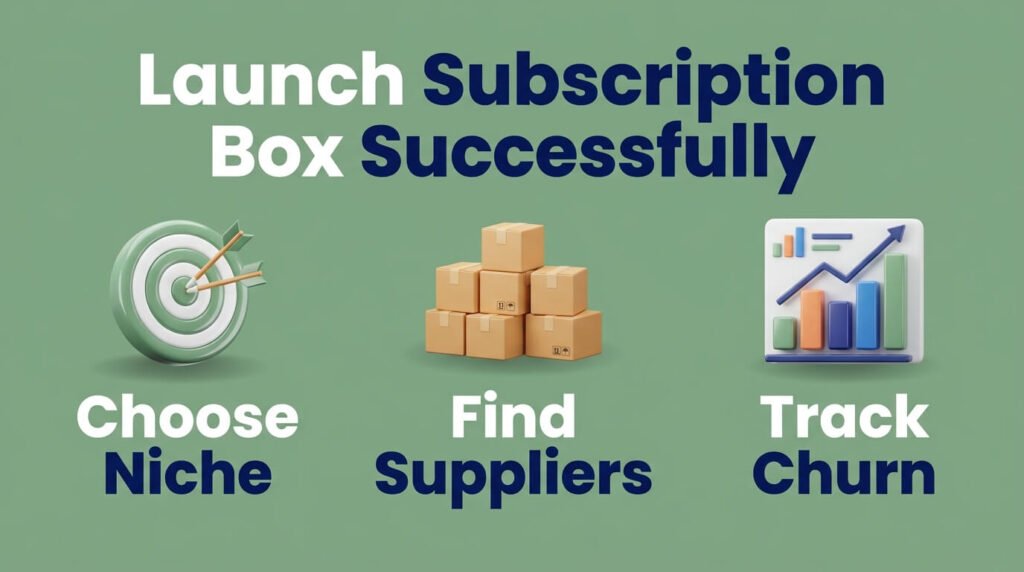
- Pick one niche. Don’t try to serve everyone. A tight niche builds loyal buyers faster.
- Check demand first. Search your niche on Cratejoy’s marketplace and Google. Existing competition means real demand exists.
- Find three suppliers. Compare pricing, minimum order quantities, and shipping times before locking one in.
- Set your price using margin math. Aim for 30 to 40 percent gross margin after cost of goods.
- Choose your platform. Cratejoy for speed. Shopify plus a subscription app for control.
- Build a simple website. Keep checkout under three steps. Every extra click loses buyers.
- Launch with 30 to 50 founding subscribers. Use a waitlist and early-bird pricing before full launch.
- Track churn weekly. Fix it early before it becomes a habit among buyers.
The Real Problem: First-Box Churn
Here is the biggest issue new box owners face. 44% of cancellations happen within the first 90 days. Buyers judge your entire business on one box. Ringly
This used to be hard to fix. Now it’s simple.
- Send a welcome message the day the box ships.
- Include a short note explaining what’s inside and why.
- Follow up on day 10 asking for quick feedback.
- Offer a pause option instead of forcing a cancel.
27% of subscribers would cancel if they could not pause or skip orders. Adding a pause button alone can save a big chunk of your subscriber base.
This one fix used to require custom coding. Now most subscription platforms include it as a default setting. Swell
Payment Failures: The Silent Killer
Most new owners think buyers cancel because they lose interest. That’s wrong most of the time.
68% of subscription churn is involuntary, driven by failed transactions rather than customer choice. A card expires. A bank blocks the charge. The buyer never even meant to cancel. Swell
Fix this with automatic retry logic through Stripe or your platform’s payment tool. Most failed charges recover within three retry attempts spread across a few days. Set this up before your first sale, not after.
Pricing Strategy That Actually Works in 2026
Skip guesswork. Use this formula.
Price = Cost of Goods + Shipping + Platform Fee + Target Profit
Example: $20 goods + $10 shipping + $2 platform fee + $13 profit = $45 price
Round numbers near $39 or $45 convert better than flat numbers like $40 or $50. Buyers perceive them as a better deal, even when the difference is small.
Offer three plan lengths:
- Monthly – highest price, no commitment
- 3-month prepay – 10% discount, improves cash flow
- Annual prepay – 25% discount, best margin for you since you buy stock in bulk
Annual plans reduce churn by 51% compared to monthly billing. Push buyers toward annual plans with a clear savings message at checkout. Swell
Marketing Your Subscription Box Business Idea in 2026
Paid ads alone don’t work anymore. Costs went up. Attribution got harder to track. Rising ad costs and iOS attribution losses have made paid-only launches unprofitable for most categories.
What works now:
- Short-form video. Film the unboxing moment with minimal talking. Let the reveal do the work.
- Niche hashtags. Five to twelve specific tags beat generic ones by a wide margin.
- Referral programs. Reward buyers who bring friends with free items or discounts.
- Founder story content. People buy from people, not faceless brands.
Personalization: The Biggest 2026 Trend
Subscriptions using personalization see 28% higher conversion rates. Buyers want boxes that feel picked for them, not mass-produced. Swell
Add a short quiz at signup. Ask about preferences, allergies, or style. Use answers to adjust future boxes. This used to require expensive software. Now most subscription platforms include basic quiz builders at no extra cost.
Why Subscription Box Business Ideas Still Work in 2026

People love convenience. They love surprise. And they hate wasting time shopping. A subscription box solves all three problems at once.
Here is what the data shows right now:
| Metric | 2026 Number | Source |
| Global market size | $49.7 billion | The Business Research Company |
| Projected size by 2030 | $101.81 billion | The Business Research Company |
| US share of North American market | 85.5% | Swell |
| Average monthly churn rate | 10-15% (top brands under 3%) | Swell |
| Shoppers who tried a box at least once | 54% of US online shoppers | Ringly |
| Shoppers currently subscribed | 15% | Ringly |
| Boxes bought as self-treats | 86% | Swell |
The gap between “tried once” and “still subscribed” is your opportunity. Most people quit a box after a bad first experience. If you fix that one problem, you beat most competitors instantly.
The subscription box industry grew 12.6% in 2026, though that pace slowed from 15.4% in 2025. Growth is real.
But buyers are picky now. Over half of consumers canceled at least one subscription in the past year, and average household subscription count dropped from 4.1 to 2.8. This means one thing. Quality wins. Quantity loses. RecurlyRecurly
What Makes a Subscription Box Business Idea Profitable
Before picking a niche, ask three questions.
- Does this product get used up? Replenishment items like coffee, skincare, or supplements keep buyers coming back naturally.
- Is there an active community already? Hobby groups, fandoms, and fitness circles bring built-in buyers.
- Can you ship it cheap and safe? Fragile or heavy items cost more and break more.
Two variables decide whether a subscription box idea has staying power. The first is whether you sell replenishment or curation.
Replenishment boxes restock things people already need. Curation boxes deliver surprise and discovery. Curation feels exciting but carries higher cancel risk.
Final Thoughts
Subscription box business ideas still offer strong income today. But only for owners who fix the real problems. First-box drop-off, failed payments, and lack of personalization. Pick one niche. Track your numbers weekly. Fix churn before chasing new buyers.
The subscription box model rewards patience over hype. Build trust first. Profit follows.
FAQ
Do I need a business license to start a subscription box business?
Yes. Register as an LLC or sole proprietor in your state first. Get a sales tax permit before you collect any payments.
Food and cosmetic boxes may need extra health or safety permits, so check your state rules early.
How do I find suppliers without buying too much stock upfront?
Use wholesale marketplaces built for small brands. Faire and Tundra let you order in small batches with no huge minimums.
RangeMe connects you directly with brands looking for box placement. Alibaba works well for private-label items once you know your niche.
Can I test a subscription box idea before building full inventory?
Yes. Run a pre-sell campaign first. Post a landing page with your box concept and open a waitlist.
Charge a small deposit to gauge real interest. This tells you demand exists before you spend money on stock.
What packaging mistakes cost new box owners the most money?
Oversized boxes waste money on dimensional weight shipping fees. Fragile inserts without proper padding lead to damaged products and refunds.
Skip custom printed boxes at launch. Use plain boxes with a branded sticker instead, then upgrade once cash flow allows.
Is it possible to run a subscription box business alongside a full-time job?
Yes, many owners start this way. Keep your first month small, around 20 to 30 subscribers. Batch your packing on weekends. Use a fulfillment app to automate order tracking so you’re not checking it daily.
How long does it take a subscription box business to turn a profit?
Most owners see their first profitable month between 6 and 18 months. This depends on how fast you fill your subscriber base and how tight your margins run. Slow, steady growth beats a rushed launch that burns cash on ads.
Do I need insurance for a subscription box business?
General liability insurance protects you if a product causes harm or damage. This matters most for food, skincare, and supplement boxes.
Product liability coverage costs a few hundred dollars a year for most small box businesses and is worth the protection.

Aliza Khatun is a Digital Marketing Professional and the founder of DigiGenHub. She has helped various businesses grow their online presence through real-world experience in marketing, branding, traffic growth, and business strategy.
Through DigiGenHub, she shows how to build and grow a business from the ground up using Website Setup, SEO, Branding, Paid Promotion, and smart digital tools.
She also highlights how AI can be used to its full potential to make content creation, automation, marketing, and business growth faster and smarter.
She believes that the right knowledge, modern technology, and the right tools can help any individual or business build a stronger online presence.