

You sell digital or physical products online. But you do not know exactly what your buyers want before they purchase. Relying on outdated tracking methods leaves you guessing.
You are worried about the continuously rising customer acquisition costs. You waste your ad budget. You lose buyers to competitors.
So, stop guessing what buyers want. Compare zero-party data vs first-party data. Learn how tracking habits and asking questions lead to higher trust and sales.
Still, the exact solving method combines silent observation with direct conversation.
First-party data tracks which software pages or physical items a shopper clicks on your website.
Zero-party data asks the same shopper through a quick interactive quiz what specific problem they need to solve.
You merge what shoppers silently do with what they explicitly say. This builds a highly accurate shopping experience.
This method increases sales. It builds immediate trust. It removes your reliance on invasive outside tracking.
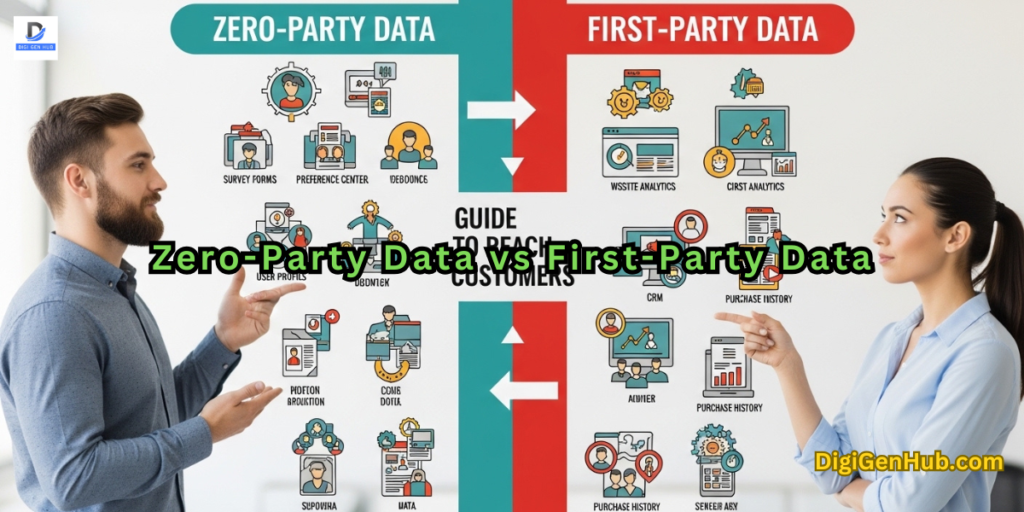
What Exactly Are Zero-Party Data vs First-Party Data?
First-party data acts as your main revenue engine. Deloitte shows that using your own first-party data creates an 8x return on marketing spend.
A similar study by BCG proves it cuts your customer acquisition costs by over 25%. You own this behavioral information completely.
This ownership protects your money from expensive outside data brokers. At the same time, zero-party data works as your best trust-builder.
A recent industry report by Jarrang shows that 50% of consumers trust brands that collect data through direct interactions over passive cookies.
You merge the financial power of first-party tracking with the high trust of zero-party quizzes. This exact combination builds a highly profitable and legally safe strategy.
A . What Consists of First-Party Data?
First-party data includes information you collect passively. You get it directly from your own digital platforms. It tracks actual user behavior.
1 . Website clicks and page views.
2 . Purchase history and cart abandonment rates.
3 . Customer service chat logs.
4 . Time spent reading an article.
5 . Subscription management choices.
B . What Consists of Zero-Party Data?
Zero-party data includes information a customer gives you directly. They share it voluntarily. They expect a better experience in return.
1 . Quiz and survey answers.
2 . Communication preferences like choosing email over SMS.
3 . Self-reported budget ranges.
4 . Product feature requests.
5 . Account profile updates.
Zero-Party Data vs First-Party Data: Major Differences
| Feature | Zero-Party Data | First-Party Data |
| Collection Method | You ask direct questions. | You track digital actions. |
| Customer Awareness | High. They know they type answers. | Low. They accept tracking cookies. |
| Primary Goal | To learn plans and desires. | To analyze past actions and habits. |
| Accuracy Level | Extremely High. Shows exact intent. | High. Shows actual behavior. |
| Data Volume | Low. Requires active user effort. | High. Collects automatically in the background. |
What Are the Pros, Cons, and Benefits of Each Data Type?
I track data methods closely to see what actually makes money. First-party data brings one huge benefit.
It gives you massive tracking volume. Industry studies show that using first-party data creates a 50% jump in sales conversions.
But it has a big flaw. It only shows past actions. You still have to guess why a buyer leaves your webpage without buying anything.
Zero-party data fixes this exact problem. The main benefit is perfect accuracy.
The buyer tells you exactly what they want. Market data proves this works. Adding a simple preference quiz can raise a buyer’s average order value by 134%.
It also drops product returns by 60%. Yet, zero-party data has one major con. You get very low data volume.
Thousands of users silently browse your site daily. Very few will actually stop their day just to take a quiz.
A . Benefits and Pros of Zero-Party Data
1 . Extremely High Accuracy. You do not guess intent. The customer tells you exactly what they want.
2 . Total Privacy Compliance. Strict 2026 privacy laws require clear consent. Customers give this data willingly.
3 . Immediate Trust. Transparency makes buyers feel respected. They control their own information.
Recent data shows 37% of consumers prefer personalized services based on data they share directly.
Limitation: Low Volume. Customers do not give data for free. You must offer a reward. You collect less data overall.
B . Benefits and Pros of First-Party Data
1 . Shows True Behavior. Customers sometimes answer polls incorrectly. First-party data reveals what they actually do.
2 . Massive Scale. You collect this data quietly in the background. You track every single visitor automatically.
3 . High Popularity. Industry reports from 2026 show 80% of marketers use first-party data as their primary source. You own the platforms. You do not pay third-party companies for this information.
Limitation: Requires Interpretation. You see a user buy a gift. You might assume they want more items like it. Your assumption might be wrong.
How to Collect This Data for Your Online Business
I use a fast two-step plan to collect data. First, you put a basic tracking code on your website.
This code works quietly in the background. It watches your visitors. It records every page they read.
It logs every item they leave in their cart. This builds your first-party data automatically.
Second, you put a short product quiz on your best pages. This builds your zero-party data. Shoppers love quizzes.
Recent marketing data shows that online quizzes reach a 78.4% finish rate. The same study proves quizzes turn 28.6% of visitors into leads.
Normal pop-up forms only get a tiny 3.1% success rate. You simply offer a special discount at the end of the quiz. Buyers happily type their exact needs to get that reward.
A . How Do You Collect First-Party Data?
1 . Set up analytics software on your website. This tracks daily visitors.
2 . Create free user accounts. This monitors individual purchase histories.
3 . Use a Customer Relationship Management system. These logs support tickets.
4 . Track email open rates. Monitor link clicks within your newsletters.
Practical Examples of First-Party Data
Digital Product Example in the Fitness Niche
A user downloads the free MyFitnessPal app. They open the app to log their daily meals. They do this for three days.
They stop using the app on Saturday. The company system records this exact drop in activity.
They track this behavior silently. They send an automatic push alert on Monday morning to bring the user back.
Physical Product Example in the Beauty Niche
A shopper goes to the Sephora website. They click on three different dry skin lotions.
They put one lotion in their shopping cart. They close the internet tab. They do not pay.
The website logs this abandoned cart quietly in the background. The store sends an email reminder two hours later.
B . How Do You Collect Zero-Party Data?
1 . Build interactive quizzes. Recommend a specific digital or physical product at the end.
2 . Create preference centers. Let users choose how often they want your emails.
3 . Offer a discount code. Give it in exchange for answering a short post-purchase survey.
4 . Run social media polls. Ask followers what product feature they want next.
Practical Examples of Zero-Party Data
Digital Product Example in the Business Software Niche
A small business owner visits HubSpot to find marketing tools. A small box pops up on the screen.
It asks a direct question. It asks, “What is your biggest goal this year?” The owner clicks “Get more website traffic.”
The company saves this exact answer. They stop guessing. They only send the owner guides about SEO and website growth.
Physical Product Example in the Food and Beverage Niche
A buyer visits Trade Coffee to buy fresh beans. They see a short quiz on the homepage.
The quiz asks, “How do you make your coffee at home?” The buyer clicks the “French Press” picture.
The site then asks about flavor. The buyer picks “Dark Roast.” The buyer types these answers willingly. The company uses this direct data to send the perfect bag of coffee.
How Zero-Party Data and First-Party Data Work Together
You merge zero-party data and first-party data to build one complete buyer profile.
First-party data shows you exactly when a buyer visits your site. You use this perfect timing to show them a zero-party data quiz.
You mix their silent shopping habits with their direct quiz answers. This creates perfect personalization.
Recent research from Twilio Segment proves this strategy makes money. Companies mixing this exact data see a 60% increase in repeat buyers.
The same industry report shows 69% of consumers prefer brands that personalize offers using data they shared willingly.
You stop making blind guesses. You show the exact product they want at the exact moment they are ready to buy.
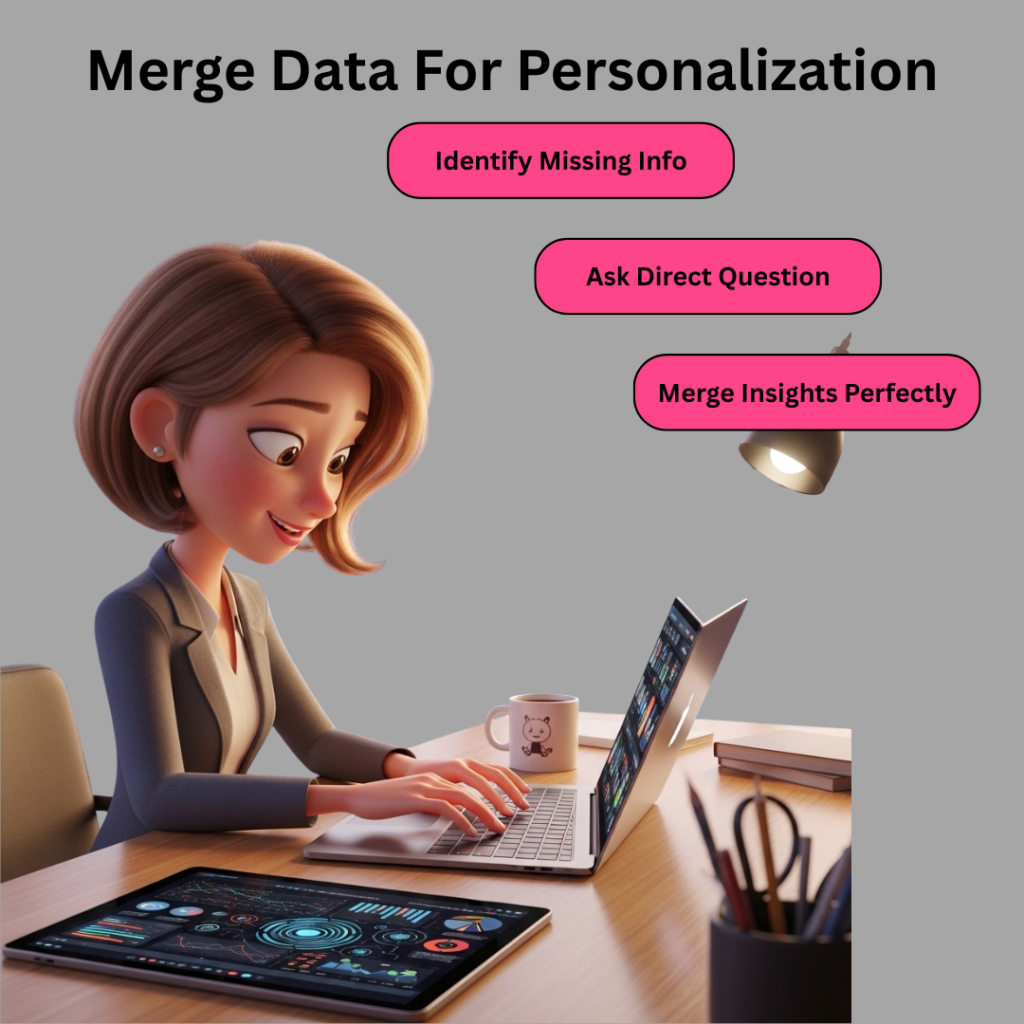
1 . Identify the missing information
First-party data shows that a user reads your articles about website hosting. It does not tell you their actual website traffic.
2 . Ask a direct question
You trigger a small poll on the page. The poll asks about their monthly visitor count. This collects zero-party data.
3 . Merge the insights
You combine their reading history with their poll answer. Studies in 2026 show 42% of organizations fail to do this step correctly.
4 . Send a perfect offer
You email them a specific hosting plan. The plan handles their exact traffic volume. You close the sale.
My Personal Overview on Data Strategy
Stop Buying Bad Data
I have many years of experience analyzing Google algorithms. I direct online businesses targeting the USA market.
I see a strict new reality. Browsers block outside tracking. Buying cheap data lists fails.
Build Your Own Database
The cost per click in the USA is too high. You cannot waste money on random audiences.
I own and write for a website focused on internet marketing. I advise every business owner to build their own closed data system.
Offer a Fair Trade
I target USA-based small businesses with high CPC strategies. USA consumers value their digital privacy.
They ignore basic email forms. You must offer a clear reward. I ask users about their biggest business problem.
I send them a free custom guide in return. This fair trade secures highly accurate data.
Conclusion
Privacy updates are not a threat. They offer a clean slate. You hold the power to build something lasting.
You can finally stop chasing random clicks. You can start having real conversations with actual buyers.
Your website will become a safe place. People will trust your brand. Shoppers will gladly share their specific wishes.
You will hand them the exact item they want. Running an internet business feels better this way. It feels honest. It feels highly personal.
Your store will stand firm against future browser shifts. You will sleep well at night. You know your customer records belong strictly to you.
The coming years look incredibly bright. You simply need to ask the right questions and listen closely.
FAQ
Do tracking tools slow down my website speed?
Yes, adding too many tracking scripts can hurt your load time. Slow pages lose sales.
You should use a tag manager tool to load your code efficiently. This keeps your site fast while still recording buyer actions.
How do I track a buyer who switches from a phone to a laptop?
You use a unified login system. When a buyer creates a free account, your system gives them a unique ID number.
This connects their mobile browsing directly to their desktop purchases perfectly.
Can I legally sell my collected data to other businesses?
Usually, no. When a buyer gives you direct information, they trust your specific brand.
Selling their profile breaks strict privacy laws unless you explicitly asked for their legal permission to sell it during the original quiz.
What is a digital data clean room?
A data clean room is a highly secure digital space. Two separate companies can match their owned buyer lists there.
They discover shared audience trends without ever exposing private customer names. This allows safe brand partnerships.
How does owning data lower my daily advertising costs?
You stop paying platforms like Meta or Google to guess who your buyers are. You upload your custom buyer list directly to the ad platform.
The platform uses that exact list to find similar buyers, drastically lowering your daily cost per click.
When exactly do third-party cookies stop working completely?
Major browsers like Safari and Firefox already block them by default. Google Chrome continues its phase-out process throughoutthis year.
This timeline makes building your own database an urgent requirement, not an option.
What does data enrichment mean?
Data enrichment is the process of updating old buyer files. You take a simple email address you collected last year and send that buyer a new survey.
You add their new answers to their old file to make it highly accurate again.
Can AI generative search engines read my zero-party data?
No. Generative AI tools cannot crawl private forms, internal quizzes, or password-protected user profiles.
The direct answers your buyers give you remain entirely hidden from public AI scraping.
How often should an online business run a privacy audit?
You should audit your collection methods every six months. State privacy laws change rapidly in the USA.
A regular check ensures your forms and tracking codes remain perfectly legal and safe from fines.
What is the best way to handle anonymous site visitors?
Do not force them to sign up immediately. Let them read your blog or view your products freely first.
Build a positive user experience. Ask for their email only after they show clear interest in your content.