

I knew little about small business lead generation when I started my business. I relied on word-of-mouth, but without new leads, my business wasn’t growing. Once I learned about lead generation, things changed. I found more customers, built trust and saw more sales.
Applying a few lead-generation methods and software can help you meet numerous prospective customers. It enables you to attract new customers, grow, build trust and keep the audience engaged.
Small Business Lead Generation
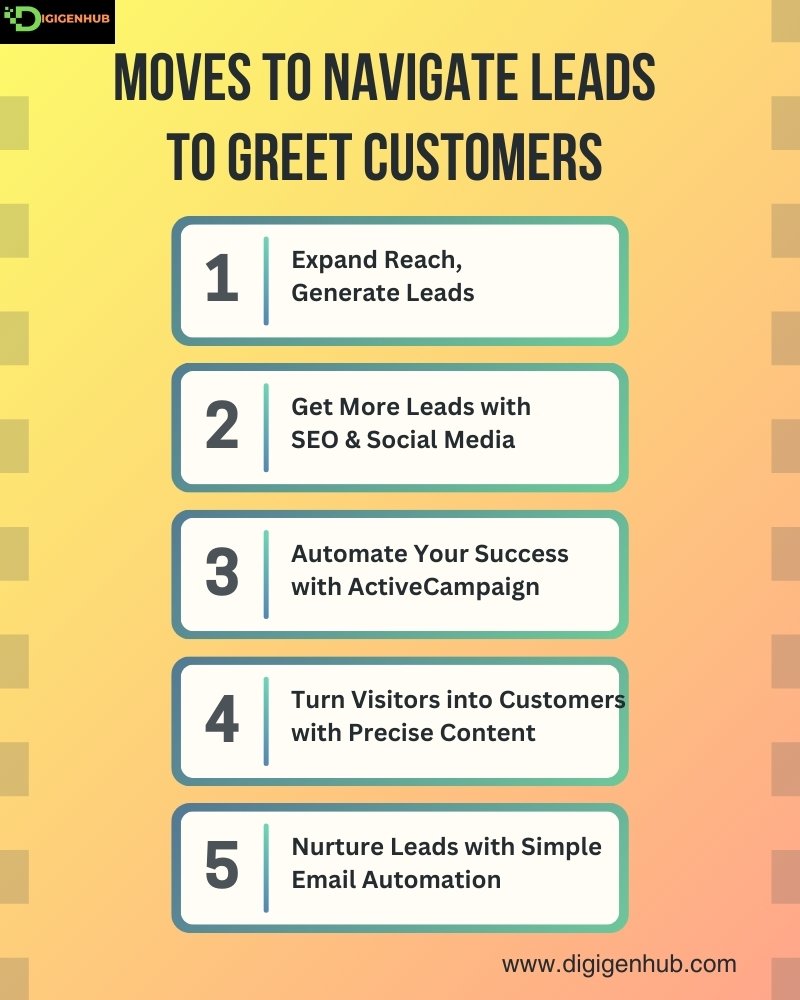
Some simple strategies are SEO, social media, content and email marketing. These help you reach more people and keep them interested.
You can also use tools like HubSpot, Mailchimp, Zoho CRM and OptinMonster. These help you capture leads and send emails.
ActiveCampaign and Intercom help you automate and nurture leads. Still, let’s learn how your business can grow faster and better with the right lead-generation tools and strategies.
Why Generating Leads for Small Business is Necessary in the Digital Age

Your small business might be flourishing, profitable and reputed businesses. Indeed, lead generation for small businesses is necessary for all business categories. Here’s why:
For Established Businesses:
Expand Market Reach: Even successful businesses need to reach new customers. Lead generation helps attract more people, especially in a competitive digital world.
Example: Even if popular, a local bakery can attract new customers by running ads or collecting email leads for discounts.
Build Relationships: Lead generation allows you to engage customers through personalized communication.
Example: Sending special offers to potential clients who’ve shown interest.
More Revenue Streams: Businesses can introduce new services or products with more leads.
Example: An established fitness center can generate leads for specialized classes or merchandise.
Higher ROI: Online lead generation is cost-effective compared to traditional methods. Ads, content marketing, or social media campaigns provide better investment returns.
Example: A local restaurant that uses Facebook Ads for leads can earn more through targeted marketing than relying on flyers.
For Newcomers:
Build Awareness Fast: New businesses need a lead generation to make their presence known quickly.
Example: A new online clothing brand can use Instagram ads to collect leads and build a following quickly.
Cost-Effective Marketing: Lead generation methods like social media, SEO and email campaigns are cheaper than traditional advertising.
Example: A new consultancy can get leads through SEO by ranking for specific queries related to their niche without spending much on ads.
Target Specific Audiences: Small businesses can target people most likely to convert.
Example: A startup tech service company can create ads targeting specific job titles or industries for more qualified leads.
Sustainable Growth: Consistently generating leads helps businesses scale and grow.
Example: A new e-commerce store using lead magnets like discounts or free content to build a list of potential buyers.
Advantages of Small Business Lead Generation
Lead generation is helpful for small businesses to grow, both new and established. It brings in new customers, builds trust and amplifies sales. Here’s how it helps:
Effective Strategies for Generating Leads for Small Business
Applying lead generation strategies helps your business grow faster and stronger. You’ll attract more customers, build relationships and keep people returning. Stay consistent, stay creative and watch your business prosperous through the strategies below:
1 Better ROI: Get more value from your efforts.
2 Consistency in Sales: Tools like CRMs automate follow-ups, saving time.
3 Analytics: Real-time data helps improve results.
4 Increased Engagement: Regular contact builds trust and keeps you top-of-mind.
5 Targeted Marketing: Focus on the right people for better results.
6 Cost-Effective: It’s cheaper than traditional ads.
7 Better Lead Quality: Reach leads who are genuinely interested.
8 Faster Growth: More leads mean faster sales and growth.
9 Long-Term Relationships: Build loyal customers over time.
1. Implement an SEO Strategy
SEO helps your website show up on search engines like Google. Use keywords that people search for when looking for your services. Make your website fast and easy to use. Add content that answers common questions your customers have.
For example, a local bakery can use SEO to show up when people search “best cakes near me.”
2. Optimize Your Website
Optimizing your website makes it easier for people to find and use. Ensure it loads fast and works well on phones. Make it clear what your business offers and how to contact you. Use simple forms for visitors to sign up or ask questions.
For example, a plumber’s website can have an easy form for people to request a quote or schedule service.
3. Social Media Marketing
Social media marketing helps you reach more people online. Share posts that show what your business offers and how it helps. Engage with your followers by answering questions and comments. Use ads to target people who might need your service.
For example, a fitness trainer can post workout tips on Instagram and run ads to get new clients.
4. Content Marketing
Content marketing means sharing helpful information to attract customers. Write blog posts, make videos, or share tips that solve problems. This builds trust and shows people you know your stuff. Offer free resources like guides or checklists to capture leads.
For example, a chef can share cooking tips on a blog and offer a free recipe ebook to get email sign-ups.
5. Email Marketing
Email marketing helps you stay in touch with people interested in your business. Send regular updates, offers, or helpful tips to your email list. Personalize your emails to make them feel special. Use clear calls to action, like asking people to buy or sign up.
For example, an online store can send a discount code to customers who sign up for their newsletter.
6. Facebook Ads
Facebook Ads lets you reach more people by showing them your ads on Facebook. You can target your ads to specific groups based on interests or location. Set a budget and choose how long you want your ad to run. Ads can lead people to your website or a special offer.
For example, a clothing shop can run ads on Facebook showing new arrivals to people who like fashion.
7. Paid Search Ads (PPC)
Paid search ads (PPC) show your ad when people search for something related to your business. You pay only when someone clicks on your ad. Choose keywords that match what people are looking for. It helps you reach people who are ready to buy or learn more.
For example, a cleaning service can show ads to people searching for “house cleaning near me” on Google.
8. Dedicated Landing Pages
Dedicated landing pages focus on one offer or goal to the audience. So, make them clear and simple, with a strong call to action. Use them for special deals, sign-ups, or downloads. Keep distractions away so visitors know exactly what to do.
For example, a gym can create a landing page offering a free trial for new members to sign up.
9. Influencer Partnerships
Influencer partnerships help you reach new customers through trusted voices. Partner with influencers who share your target audience. They can promote your product or service to their followers. This builds trust and expands your reach.
For example, a beauty brand can work with a makeup influencer to review their products and attract new buyers.
10. Lead Nurturing
Lead nurturing means building relationships with potential customers over time. Stay in touch through emails, calls, or social media. Offer helpful content or exclusive deals to keep them interested. Don’t rush them; guide them gently toward making a decision.
For example, a software company can send useful tips and case studies to leads before offering a special discount.
11. Blogging
Blogging helps you share valuable information and attract visitors to your site. Write posts that solve problems or answer common questions. Use keywords to make your blog easy to find on search engines. Share your posts on social media to reach a wider audience.
For example, a travel agency can write blog posts about top vacation spots to attract travelers looking for tips.
12. Host Webinars and Events
Hosting webinars and events helps you connect directly with potential customers. Share your knowledge or showcase your products in real-time. Allow participants to ask questions and engage with you. Use these events to offer special deals or bonuses.
For example, a business coach can host a free webinar about productivity and offer a discount on coaching services.
13. Add Testimonials
Adding testimonials shows that real customers trust your business. Display positive reviews or success stories on your website. It helps build trust and credibility. People are more likely to buy when they see others have had a good experience.
For example, a web designer can add client reviews to their homepage to show the quality of their work.
14. Referral Programs
Referral programs encourage your customers to bring in new leads. Offer rewards, discounts, or incentives for successful referrals. Make it easy for them to share your business with others. Happy customers are your best promoters.
For example, a coffee shop can give a free drink to customers who refer a friend to sign up for their loyalty program.
15. Collaborations with Strategic Partners
Collaborating with strategic partners helps you reach a wider audience. Work with businesses that complement, not compete, with yours. Share resources, cross-promote, or co-host events to benefit both. It’s a win-win that builds trust and expands your customer base.
For example, a photographer can collaborate with a wedding planner to offer package deals to couples.
16. Business Newsletters
Business newsletters help you stay connected with your audience. Send updates, offers and helpful tips directly to their inbox. Keep the content valuable and relevant to keep them interested. Make it easy to sign up and share with others.
For example, a local restaurant can send a monthly newsletter with new menu items, discounts and event news to keep customers engaged.
17. Remarketing/Retargeting Ads
Remarketing ads target people who visit your website but don’t take action. Show them ads for the products or services they viewed. This keeps your business top-of-mind and encourages them to return. It’s a great way to bring back potential leads.
For example, an online clothing store can show ads for a jacket to someone who looked at it but didn’t buy it.
18. Host Events
Hosting events helps you connect with potential leads in person. You can showcase your products, share valuable information and build relationships. Events create memorable experiences that can turn attendees into customers. Promote your event ahead of time to attract the right crowd.
For example, a bookstore can host an author-signing event to attract book lovers and promote new releases.
19. Identify Your Target Audience
Identifying your target audience helps you focus your efforts on the right people. Know who they are, what they need and where they spend their time. Tailor your messages and offers to meet their interests, making your marketing more effective.
For example, a toy store can target parents with young children by offering discounts on popular toys.
20. Build Your Community
Building your community helps create loyal customers who support your business. Engage with people on social media, reply to comments and share valuable content. Foster connections by offering exclusive deals or hosting events. A strong community creates word-of-mouth promotion.
For example, a fitness brand can create a Facebook group for workout tips, where members share their progress and motivate each other.
21. Do Basic Local SEO
Doing basic local SEO helps your business show up when people search nearby. Optimize your website with location-based keywords. Claim your Google My Business listing and keep it updated. Encourage local reviews and engage with your community online.
For example, a coffee shop can use local SEO to show up when someone searches for “best coffee near me” on Google.
22. Offer Free Trials or Samples
Offering free trials or samples attracts potential customers by letting them try before they buy. It lowers their risk and builds trust in your product. Make the process easy and clear. Use it as an opportunity to show your value.
For example, a software company can offer a 7-day free trial to let users experience their service before committing.
23. LinkedIn
LinkedIn is a great platform for connecting with professionals and potential leads. Create a strong profile and share valuable content related to your business. Use LinkedIn’s search tools to find prospects and engage with them. Build relationships through messages and posts.
For example, a business consultant can connect with LinkedIn CEOs and share articles showcasing their expertise.
24. Incentivize Referrals
incentivizing referrals encourages customers to bring in new leads. Offer rewards like discounts, free products, or exclusive access in exchange for successful referrals. Make it easy for customers to refer others. The more value you offer, the more likely they are to share.
For example, a gym can offer a free month of membership to anyone who refers a friend who signs up.
25. Use of Chatbots
Using chatbots helps you engage visitors on your website 24/7. They can answer questions, collect contact details and guide people through sales. Chatbots improve customer experience by providing instant responses. They save time and help you capture more leads.
For example, an online clothing store can use a chatbot to recommend products and help customers with sizing.
Software for Lead Generation
With the right lead generation tools, businesses can gather valid leads more easily and effectively. This section will examine software tools that can help small businesses collect and manage leads.
1 . HubSpot:
It offers a complete suite for inbound marketing, including lead capture, email marketing, CRM, and automation.
For 2025, HubSpot’s prices are expected to be:
- Starter Plan: This plan costs around $50 monthly and covers basic CRM, email marketing and lead capture tools.
- Professional Plan: Around $850 per month. It offers advanced features like automation and analytics.
- Enterprise Plan: Around $3,500 per month. This plan is for larger businesses and has extra features.
2 . Mailchimp:
An email marketing tool that helps with automation, segmentation and lead nurturing.
Example: A coffee shop can send newsletters and promotions to people who sign up online.
Estimated Pricing for 2025:
- Free Plan: For up to 500 subscribers. Basic features.
- Essentials Plan: Around $13 per month. More email templates and automation.
- Standard Plan: Around $20 per month. Advanced automation and A/B testing.
3 . Zoho CRM:
A customer relationship management tool with lead capture, tracking and conversion features.
Example: A personal trainer can track and manage clients and send follow-up emails.
Estimated Pricing for 2025:
- Free Plan: For up to 3 users, basic CRM features.
- Standard Plan: Around $14/month per user. Includes sales forecasting, custom reports and automation.
- Professional Plan: Around $23/month per user. Offers advanced features like analytics and workflow automation.
4 . OptinMonster:
Helps create opt-in forms and pop-ups to capture leads and grow your email list.
Example: An online course site can use pop-ups to offer discounts for email sign-ups.
OptinMonster offers several pricing plans suitable for small businesses, with costs as of 2025:
- Basic Plan: $9 per month (billed annually).
- Plus Plan: $19 per month (billed annually).
- Pro Plan: $29 per month (billed annually).
- Growth Plan: $49 per month (billed annually).
5 . ActiveCampaign:
Provides email marketing automation, lead scoring and CRM features to manage and nurture leads.
Example: A pet store can send welcome emails and product suggestions to new leads.
Active Campaign offers several pricing plans suitable for small businesses, with costs as of 2025:
- Starter Plan: Starts at $19 monthly for up to 1,000 contacts.
- Plus Plan: Starts at $49 per month for up to 1,000 contacts.
- Pro Plan: Starts at $79 monthly for up to 1,000 contacts.
- Enterprise Plan: Starts at $145 monthly for up to 1,000 contacts.
6 . LinkedIn Sales Navigator:
Helps you find and engage with potential leads through LinkedIn, a powerful platform for B2B businesses.
Example: A B2B company can find and contact potential clients on LinkedIn.
LinkedIn Sales Navigator offers different pricing tiers, with estimates for 2025:
- Professional Plan: $79.99 per month
- Team Plan: $134.99 per month
- Enterprise Plan: Custom pricing, typically higher
7 . Unbounce:
Allows you to create landing pages that convert visitors into leads with A/B testing and customization options.
Example: A real estate agent can create landing pages offering free home-buying tips to get leads.
Unbounce offers the following pricing plans, with estimated costs for 2025:
- Launch Plan: $90 per month
- Optimize Plan: $135 per month
- Accelerate Plan: $225 per month
8 . Pardot (Salesforce):
A lead generation and marketing automation tool for tracking and nurturing leads, especially for B2B businesses.
Example: A company selling equipment can track leads and send personalized follow-up emails.
Pardot (by Salesforce) offers the following pricing plans for 2025:
- Growth Plan: $1,250 per month
- Plus Plan: $2,500 per month
- Advanced Plan: $4,000 per month
9 . Intercom:
Provides live chat, messaging and bots to capture and engage leads on your website.
Example: A software company can use live chat to offer free trials and capture leads.
Intercom offers several pricing plans, with estimates for 2025:
- Essential Plan: Starts at $74 per month
- Pro Plan: Starts at $153 per month
- Premium Plan: Custom pricing (higher cost for advanced features)
10 . LeadPages:
A landing page builder that helps you create high-converting pages for lead generation.
Example: A fitness coach can create a landing page offering free ebooks to get sign-ups.
LeadPages offers the following pricing plans for 2025:
- Standard Plan: $37 per month
- Pro Plan: $79 per month
- Advanced Plan: $321 per month
11 . Google Ads:
Paid search ads that target potential customers searching for your products or services.
Example: A marketing agency can use Google Ads to show ads to people searching for their services.
Google Ads offers flexible pricing based on your ad budget, but here are some general guidelines for 2025:
- Cost-per-click (CPC): For smaller businesses, it typically ranges from $1 to $2 but can go higher depending on competition and industry.
- Average monthly spend: This can vary widely; many businesses spend anywhere from $500 to $5,000 per month, but you can set a custom budget based on your needs.
12 . Freshsales:
CRM software with lead capture, email automation and tracking features for efficient lead management.
Example: A real estate firm can easily manage leads and send follow-up emails.
Freshsales offers the following pricing plans for 2025:
- Free Plan: $0 (for basic features and up to 10 users)
- Growth Plan: $15 per user per month
- Pro Plan: $39 per user per month
- Enterprise Plan: $69 per user per month
13 . Hunter.io:
A tool for finding email addresses and generating leads from companies or individuals.
Example: A graphic designer can find business email addresses to offer services.
Hunter.io offers the following pricing plans for 2025:
- Free Plan: $0 (up to 25 searches per month)
- Starter Plan: $49 per month (up to 250 searches per month)
- Growth Plan: $99 per month (up to 1,000 searches per month)
- Pro Plan: $199 per month (up to 5,000 searches per month)
By clicking the links, you can learn more about each software and how they can help with lead generation for your business.
Conclusion
Lead generation is like planting seeds for your small business. It helps you grow steadily, save money and connect with virtual customers. You can reach more people and build strong relationships with the right strategies and tools. Over time, this leads to more sales and happier customers. In the end, lead generation sets your business up for long-term success.
FAQ
Can you use AI to generate leads?
Of course. Use AI chatbots to talk to visitors and collect info. Send personalized emails using AI to target leads. Run AI ads on social media to find new customers. By 2025’s digital evolution, AI will predict what customers need.