


The product lifecycle defines the exact journey an item takes. It moves from an initial idea to removal from the market.
It traces the complete path of conception, development, market introduction, maturity, and decline.
Every year, companies launch thousands of new items. Almost 90% of them fail to make a long-term profit. The main problem is a bad development approach.
Teams build an item, release it, and hope people buy it. That method drains money.
It fills warehouses with dead stock. The exact solution is a strict, data-driven strategy.
You must track an item from its first idea to its final retirement. This helps you predict costs.
It fixes design flaws early. You extract maximum revenue during peak popularity.
What is The Product Lifecycle
A product lifecycle is the total time your item makes money on the internet. It starts the exact day you launch your web store.
It ends when nobody buys the item anymore. Think about selling a physical item like a custom-printed t-shirt or a digital item like an online marketing course.
The main problem is that internet competition grows instantly. Rival stores copy your exact t-shirt design or launch similar courses very fast.
This steals your buyers and drops your daily sales to zero. The exact solution is to update your offer constantly.
You must add a free bonus guide to your digital course or release the physical t-shirt in brand-new seasonal colors.
This simple action beats the copycats. It keeps your online items highly profitable for many months.
In my work running an active online business, I see a clear pattern. I connect with a large network of online business professionals.
Companies often rush to market. They forget to plan for the moment when sales drop.
I advise my network to view this journey differently. It is not a straight line. It is a continuous loop of customer feedback and rapid improvement.
What are The Main Purposes of Tracking Product Lifecycle?
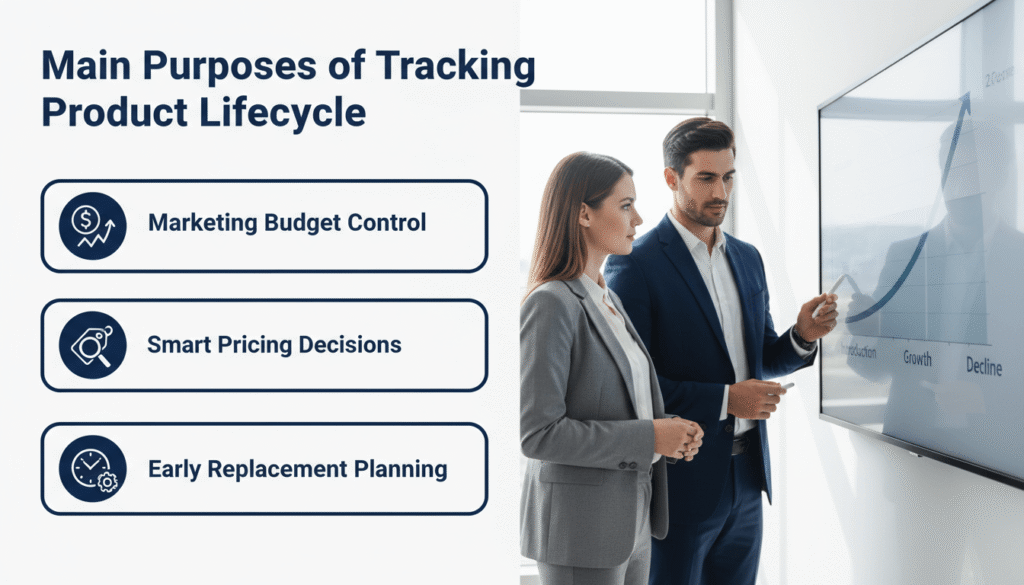
Tracking this journey serves three specific goals. First, it helps you plan your marketing budget.
You know exactly when to spend on ads and when to stop. Second, it guides your pricing choices.
Third, it forces you to prepare replacement models early. You do this before an older item stops selling entirely.
The Major Benefits of a Product Lifecycle Strategy
Lower production costs: You find design flaws early. This stops expensive manufacturing errors.
Faster market entry: Parallel work reduces launch delays heavily.
Higher profit margins: You know exactly when to change prices based on market demand.
Better supply chain control: You order parts only when needed. This prevents overstock.
What Influences The Product Lifecycle?
Several outside factors dictate how long an item stays profitable. The market faces specific pressures. These are:
New Trade Rules
Recent trade changes force companies to rethink supply chains. Many brands move production closer to home.
This avoids high import taxes. This shift changes production costs directly.
Fast Changing Trends
Social media creates massive demand overnight. That demand drops just as fast. Companies must react quickly to keep sales high.
The Right to Repair
Buyers demand repairable items. They want parts they can fix at home. This changes how companies design physical goods.
Material Shortages
Finding raw materials is harder today. This forces teams to use recycled parts or change their initial designs.
How Do The 5 Stages of The Product Lifecycle Work?
Every successful item goes through five exact phases. Managing them correctly determines your total profit.
Every product goes through a specific journey. We call this the product lifecycle. It acts like the lifespan of a living thing. A product starts its life. It enters the market.
It grows in popularity. It gets old. Finally, it fades away. Knowing this journey helps you make smart business choices.
It tells you when to spend money on ads. It tells you when to lower prices. It tells you when to build something new. There are five clear stages in this cycle.
1. The Development Stage
This is your starting point. You have a new idea. You have zero sales. Your costs are very high here. You spend money on research.
You build prototypes. You test your ideas with real people. You must find out if people actually want your item. You do this before you make thousands of them.
Example: Think about a car company. They want to make a new electric truck. In this stage, they draw designs.
They usually build one test model. They test the battery. They do not sell any trucks yet.
2. The Introduction Stage
Your product finally enters the market. Your main goal here is building brand awareness. People do not know your item exists yet.
You spend heavily on ads to get their attention. Your profit margins stay negative. You are still trying to recover your early research costs.
Example: Imagine a startup launching a new smart ring. This ring tracks sleep. The company runs heavy social media ads.
They pay early users to try it. Sales are slow at first. They spend more money than they make.
3. The Growth Stage
Your sales climb fast here. Buyers accept your item. Early users tell their friends. Your company starts making a clear profit.
However, competitors notice your success. They launch rival items to steal your customers.
You must defend your market share aggressively. You add new features. You sell in new stores.
Example: Think about the recent insulated travel cup trend. A few people bought them.
They showed them online. Suddenly, everyone wanted one. Sales exploded. Stores sold out. Then, other brands quickly made copycat cups to compete.
4. The Maturity Stage
Your sales hit their absolute peak. Growth slows down. Most of your target audience already owns the item.
This is your most profitable phase. Your initial costs are paid off. Your factories run efficiently.
Your main job is to keep the item relevant for a long time.
Example: Look at the standard smartphone today. Almost everyone already has one.
Sales do not double every year anymore. But top brands make huge profits.
They keep the item alive by releasing new colors or slightly better cameras each year.
5. The Decline Stage
Your sales drop steadily. This happens for a few reasons. A better technology arrives. Consumer tastes change.
The market is full. You must decide your next step now. You can discount the item heavily. You can update it. Or, you can remove it from the market entirely.
Example: Think about DVD players. Streaming services arrived. People stopped buying DVDs.
The companies making DVD players saw sales crash. They had to lower prices heavily. Eventually, most companies stopped making them completely.
How to Manage Product Lifecycle Data Properly?
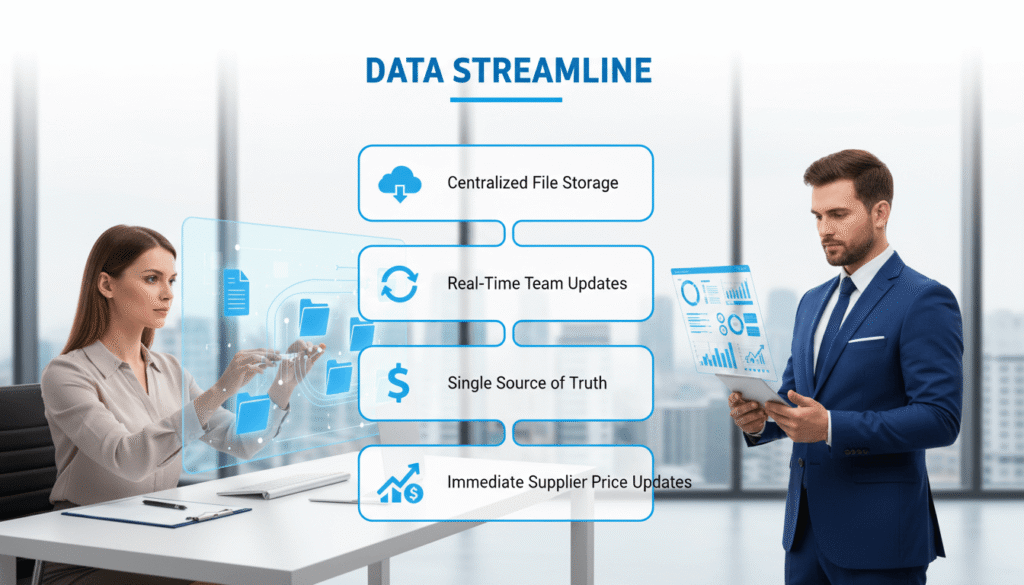
Managing this journey requires strict organization. You do not need expensive software. You need a clear internal system.
Keep all design files, cost sheets, and marketing plans in one shared location.
When a designer changes a file, the manufacturing team must see it instantly.
If they do not, you get costly errors. A single source of truth protects your budget.
If a supplier changes a part price, update your master sheet immediately. This simple habit stops massive delays.
Product Lifecycle Tracking Methods
| Tracking Method | Target Audience | Primary Advantage | Drawback |
| Centralized Spreadsheets | Small Startups | Zero cost and easy to set up. | Requires manual data entry. |
| Shared Cloud Drives | Mid-Sized Brands | Great for remote team access. | Folders become messy without strict rules. |
| Dedicated Strategy Teams | Large Corporations | Highly accurate forecasting. | High employee salary costs. |
| Customer Feedback Loops | E-commerce Stores | Direct input from real buyers. | Negative reviews can hurt morale. |
How to Extend the Product Lifecycle effectively?
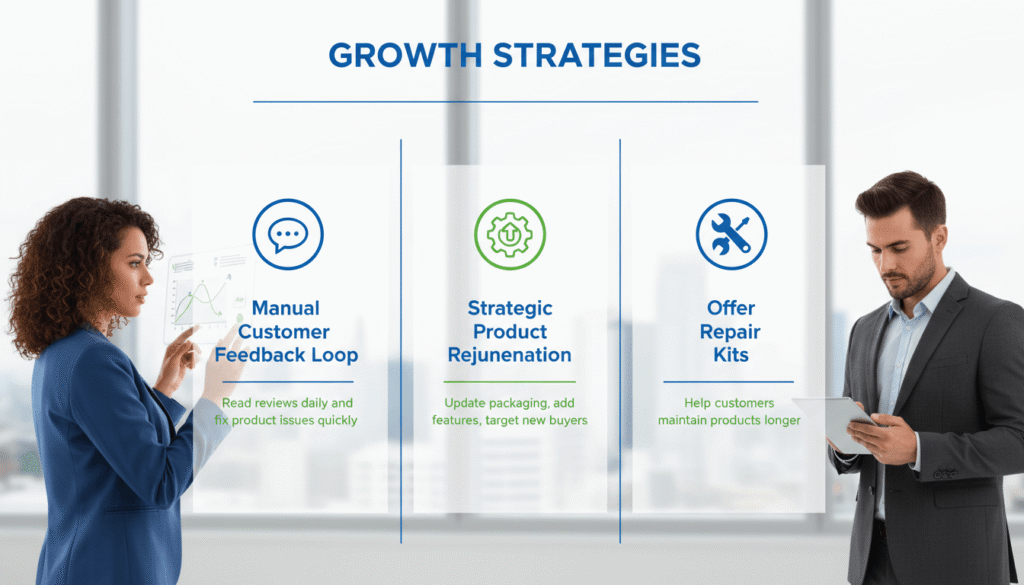
You do not have to let a profitable item die. You can push it back into the growth phase.
Suggestion 1: Implement a Manual Feedback Loop
Read customer reviews daily. Do not wait for quarterly reports.
How to do this: Assign a team member to read Amazon or website reviews every morning.
If fifty users complain about a weak zipper, tell your factory immediately. Redesign that specific part for the next batch. This saves the item from failing.
Suggestion 2: Practice Strategic Item Rejuvenation
Change the packaging. Add a new feature. Target a completely new buyer group.
How to do this: Look at the snack food market. Companies rarely invent a completely new chip. They take last year’s mature product.
They add a spicy flavor. They always change the bag color. They market it as a brand-new release. This skips the expensive development stage completely.
Suggestion 3: Offer Repair Kits and Parts
Let customers fix what they buy.
How to do this: Many outdoor gear brands sell patches and replacement buckles.
Instead of forcing a customer to buy a new tent, they sell the repair kit. This builds massive brand loyalty. It keeps the original item relevant for years.
Conclusion
Ignoring the natural aging process of your inventory guarantees lost money. To survive the fast market, you cannot rely on guesswork.
I highly recommend building a central data system for your team today. Start by gathering all your current product data into one single shared location.
Appoint one specific team member to monitor customer feedback daily. Take action right now to organize your data and communication.
This simple step protects your next big launch and keeps your items profitable.
FAQ
How do patents affect the product lifecycle?
Patents give you a legal monopoly for a set number of years. This protects your highly profitable maturity stage by blocking copycats.
When the patent expires, you face a “patent cliff.” Rival companies immediately flood the market with cheap copies, which forces your original product into a rapid decline.
Does a monthly subscription change the traditional stages?
Yes. We call this the Product-as-a-Service (PaaS) model. You do not just sell a physical item once and walk away.
You rent the item or software continually. This strategy makes the maturity stage last much longer.
Your team focuses entirely on keeping the user happy every single month to stop cancellations.
Will launching a new version kill my older product sales?
It often does. Business experts call this product cannibalization. Your new item steals buyers directly from your older item.
You must plan for this specific event. You should lower the price of the old item right before the new launch.
This will capture budget buyers, while premium buyers buy the new release.
Do second-hand markets hurt the product lifecycle?
A strong used market actually helps your brand. It proves your items are durable and hold their value.
High resale value convinces new buyers to pay a premium price for your initial launch.
Many brands now buy back their own used goods, fix them, and sell them again to control this secondary lifecycle.
How do anti-consumerism trends alter new launches?
Social media users now promote “de-influencing.” They actively tell their followers what not to buy to stop waste.
This social trend forces brands to focus strictly on extreme quality. You cannot launch a cheap, easily broken item today. You must prove the item solves a real problem to survive this early stage.
Should I launch a product to a tiny audience first?
Yes. Mass-market launches cost too much money and carry huge risks. Launching to a hyper-specific group is cheaper and much safer.
A tiny, loyal audience buys repeatedly. Once you dominate a small micro-niche and secure stable profit, you can expand your product to larger groups safely later.
How do I retire an item without making customers angry?
You must communicate clearly and early. Do not just pull the item from the shelves or delete the software overnight.
Give your buyers a three-month warning. Offer them a direct discount on the replacement model.
Promise to honor existing warranties for a set time. This protects your brand reputation deeply and keeps the buyer loyal.