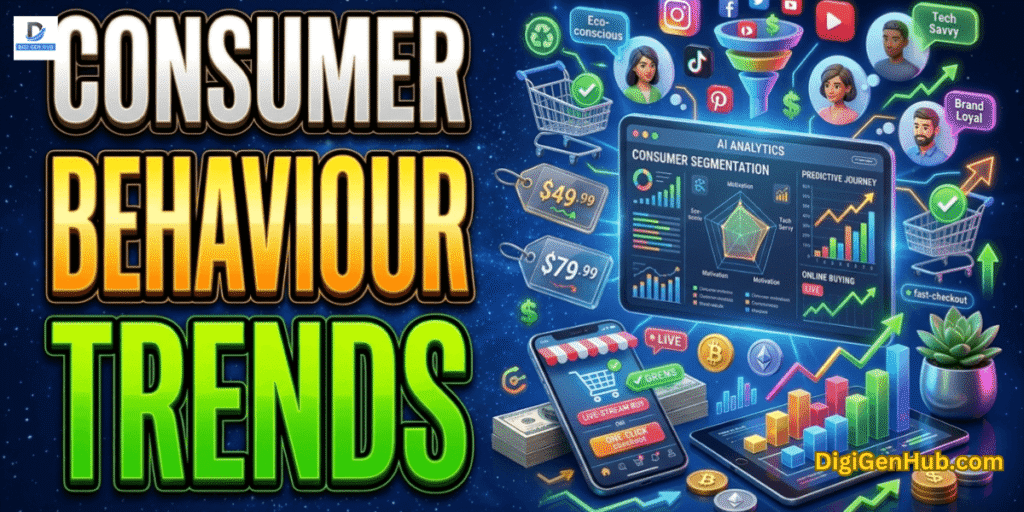
Technology, cultural shifts and economic pressure govern customer decisions. So, your business progress mostly depends on consumer behaviour trends.
Today’s customers are experts at spotting fake promises. Now they want speed and ethics.
This creates a strange mix of high expectations and extreme frugality. Boring strategies do not work anymore.
If your business feels out of touch with this economic pressure, customers will leave in seconds.
Still, your strategy should harmonize with their expectation. Your brand must possess transparency.
Also, focus on community trust and ethical data use. Turn casual shoppers into loyal advocates who value purpose as much as price.
Stop Chasing Dead Habits: Consumer Behaviour Trends
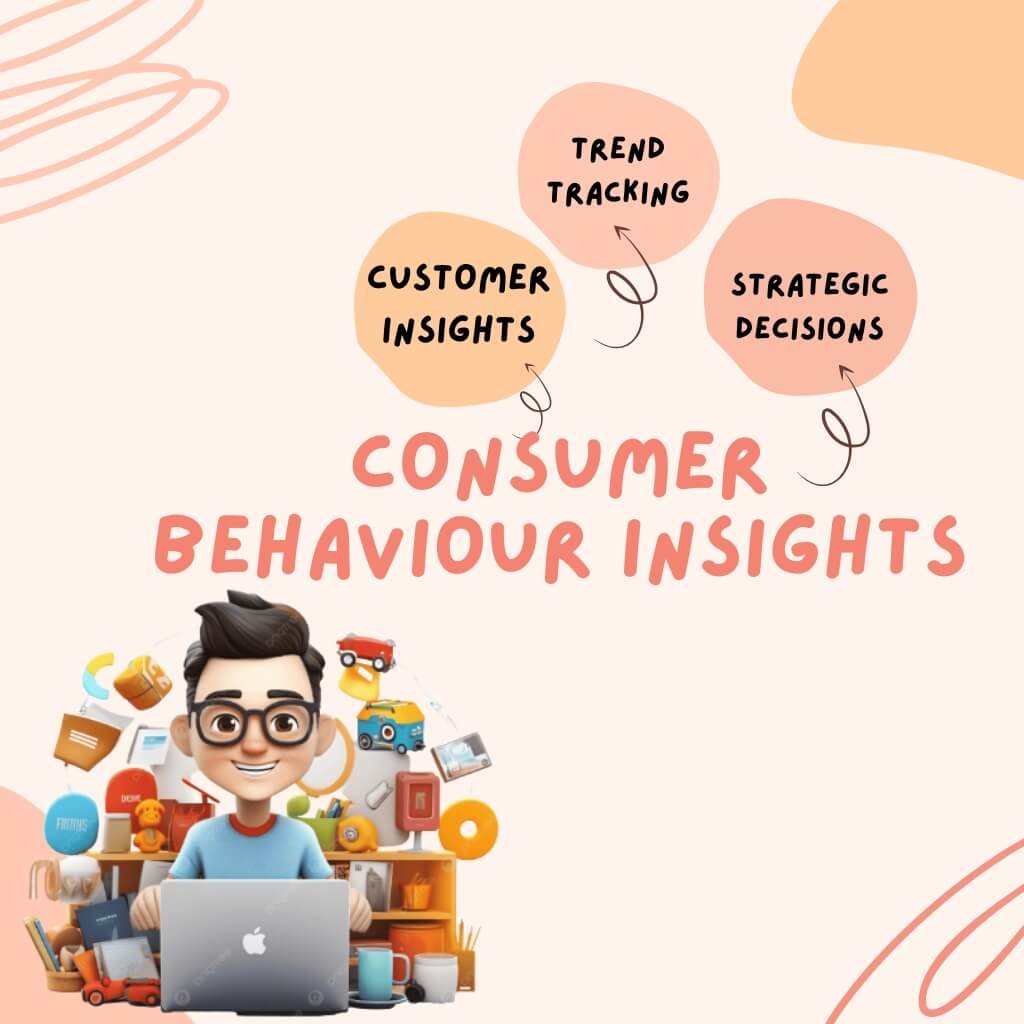
Modern loyalty depends on numerous phygital flows. This means your online store and physical presence must act as one single unit.
Consumers now look for interactive digital tools while standing in actual aisles. Digital tools enhance physical shopping.
To manage the digital shift, stop selling products. Obtain the strategy to sell moments. The McKinsey: 2026 Consumer Sentiment Report highlights how 71% of people now expect instant, personal interactions.
Wealth in Motion: Track the Rise of Social-First Buyers
Most brands focus on price alone, but they miss the massive transfer of wealth happening right now.
Your brands must target Gen Z and Millennials. Younger generations will soon drive 60% of all retail growth.
They don’t trust traditional ads. They use social media as their primary search engine.
You can track these changing habits through the GWI: Global Consumer Trends Tracker.
It shows that over 80% of buyers now research brands exclusively on social platforms before spending a single cent. They check prices online before every major buy.
True growth now requires proof-led sustainability. Vague eco-claims raise immediate distrust.
People want to see the actual impact of their purchase on the world. This is not just a trend; it is a fundamental shift in how humans trade.
The Euromonitor: International Lifestyle Survey confirms that “fringe” behaviors are now mainstream requirements for any profitable brand. These can be like carbon tracking and ethical sourcing.
The New Frugality Paradox
You must examine phygital shift and frugality paradox to redefine brand loyalty today.
Frugality paradox controls customer activities. They seek extreme value through discounts and dupes. They demand high-end personalization and ethical proof.
Yet, I was browsing a fashion e-commerce store last week. Shoppers were not in a hurry. They checked fabrics.
They read reviews. They compared tags that showed if items were sustainable.
One customer opened the live chat. She asked if the jeans were made from recycled cotton. That one question said a lot.
Online fashion shopping is no longer about style alone. It is about proof. It is about values.
Still, for marketers, these behaviour trends are signals, not just observations. Every campaign, product and story must connect with trust, emotion and purpose.
What This Means for Marketers
1 . See customer tendency as a value system, not just a buying path.
2 . Show evidence on sustainability, transparency and wellness.
3 . Reach buyers where discovery happens, like social media, AI-driven feeds and niche communities.
The New Consumer Mindset Today
Shoppers think differently today. Prices keep rising and new tech shapes habits. Culture also shifts fast. People now pause before they buy.
Many cut back on daily basics. Yet they still spend on things that add meaning, status, or joy.
This mix creates a trend called conscious consumption. Buying is no longer only about needs. It is now about trust, values and identity. Let’s observe these objects:
Inflation and Daily Pressure
Groceries, energy and housing hit households hard. 76% of consumers say their cost of living increased by more than 5%. (KPMG)
Wages are behind these costs. Savings are shrinking. Many people delay non-essential purchases.
Culture and Values Take Over
Shoppers care more about fairness, wellness and sustainability. They expect brands to act ethically.
Privacy is critical. Any misuse of data drives people away. (Usercentrics) Consumers reward brands that share their values. They avoid brands that don’t.
Technology Shapes Habits
AI tools and apps make it easy to compare products. Social media drives constant product discovery.
Too many choices can overwhelm buyers. People now prefer brands that are clear and simple. Clear messages help them decide faster.
The Paradox: Cut Back and Splurge
Many consumers reduce spending on basics like food, travel and housing. (KPMG) Yet they still spend more on premium wellness products, eco-friendly items and brands with purpose.
Conscious Consumption Defined
Buying now goes beyond needs. It is guided by identity, trust and purpose. Consumers ask: Does this brand share my values? Does it act ethically? Do I feel proud to buy it?
Proof matters. 49% of Americans bought a sustainable product last month. 73% of Millennials and 60% of Gen Z will pay more for sustainable items. (GlobeScan,GFY Creative)
What are the Action Points for Marketers
Show proof instead of slogans. Offer both affordable and premium options. Make sustainability reachable for all buyers. Protect customer data. Build emotional links with identity, ethics and wellness.
A. Sustainability with Proof, Not Promises
Consumers are tired of vague eco-claims. They want clear proof of a brand’s impact. Greenwashing is no longer accepted.
Shoppers look for third-party certifications, traceable supply chains and transparent sourcing.
Hence, show real actions, not slogans. Certifications and visible results build trust.
B. Hyper-Personalization Through Smart Data
People expect experiences that feel personal. But privacy is important. The line between helpful and intrusive is thin.
So, use first-party data with consent. Let users control their data. Personalization works best when people feel safe.
C. Convenience = Time Saved, Not Just Speed
Convenience isn’t only about fast delivery. It’s about saving time and effort. Features like one-click checkout and easy returns matter. Convenience now brings emotional relief, not just speed.
Indeed, remove small hurdles in every step of the customer journey. Make buying simple and stress-free.
D. Social Commerce as Community Commerce
Shoppers buy directly on social media like TikTok, Instagram and YouTube. It’s not only about influencers. Micro-communities and peer groups now guide trust and purchases.
So, build campaigns around community trust. Use user-generated content and authentic product recommendations.
E. Wellness as a Core Buying Driver
Health, fitness and mental wellness are priorities. Wellness also shows status and self-identity, not just health.
Still, connect your brand to wellness. This works even in food, travel, or tech products.
F. Economic Caution & Value Trade-Offs
Consumers watch budgets closely but spend selectively. They trade down on basics and trade up on meaningful purchases.
So, offer products at different price levels. Provide both affordable and premium ethical options.
G. Immersive Tech-Driven Shopping (AI, VR, AR)
Shoppers try AI chatbots, AR try-ons and VR stores. AI doesn’t just help—it guides choices and taste.
You need to use AI for predictions and immersive previews. Make shopping interactive and fun.
H. Shift from Things to Experiences
People now prefer experiences over possessions. Products often come with lifestyle or community narratives.
The solution is to sell stories and experiences. Make purchases feel like joining a movement or lifestyle.
I. Transparency, Trust & Brand Honesty
Loyalty is fragile. Consumers value brands that admit mistakes and show what happens behind the scenes.
For this, use open pricing, impact reports and honest messaging to build credibility.
J. The Subscription Economy: Stability in Unstable Times
Subscriptions are popular. Consumers see them as a way to manage budgets and plan.
Of course, show subscriptions as convenient and reliable. Offer value, flexibility and predictability.
What These Trends Mean for Marketers
Knowing trends isn’t enough. Marketers must turn insights into action. Today’s consumers care about more than products.
They care about trust, emotion and experiences. Brands that respect data, create meaningful connections and design memorable journeys will win attention and loyalty. Let’s explain in detail:
Data Ethics → Building Trust
Consumers worry about how brands use their data. They prefer companies that protect privacy and handle information responsibly. Ethical data practices give a brand an edge.
Action Steps for Marketers:
Be Clear: Tell customers exactly how you collect and use data.
Ask Permission: Always get consent before storing or processing personal info.
Protect Information: Use strong security to keep customer data safe.
You know, brands that follow ethical data practices earn more trust and loyalty. This often leads to higher sales and a stronger brand reputation.
Emotional Value → Creating Deeper Connections
Consumers want brands that feel personal and meaningful. They choose companies that reflect their beliefs and values. Emotional ties create loyalty and advocacy.
Action Steps for Marketers:
Tell Real Stories: Share your brand’s mission and values authentically.
Create Moments: Give customers experiences that leave a positive impact.
Support Causes: Back social or environmental issues that matter to your audience.
Of course, brands that connect emotionally often get repeat customers and long-term loyalty. Their communities actively promote the brand.
Experience-First Design → Keep Customers Coming Back
Buying is more than a product; it’s an experience. Smooth websites, easy service and personal touches matter. The whole journey can make or break the brand.
Action Steps for Marketers:
Simplify Navigation: Make websites and apps easy to use.
Personalize Interactions: Give recommendations and experiences that match customer preferences.
Be Reliable: Offer consistent support across all touchpoints.
Naturally, brands investing in better experiences see happier customers. Repeat business grows and customers are more likely to recommend the brand.
Future Outlook: Where Behaviour is Heading Next
New technologies and cultural shifts always convert consumer behavior. Let’s predict what marketers need to watch next.
AI + Cultural Identity: Ultra-Personalized Worlds
AI is now more than a recommendation tool. It adapts experiences to individual cultural identities.
Consumers want brands that understand their values, background and lifestyle. Personalized experiences build trust and engagement.
Marketer Takeaways:
Celebrate Diversity: Use AI that respects different cultures and lifestyles.
Craft Content to Fit Needs: Offer products and messages that match personal identities.
Be honest and open: Show how AI personalizes experiences to keep customer trust.
Circular Economy Models Gaining Traction
Consumers care more about sustainability. Products designed for reuse, recycling and lower waste are rising in demand. Circular economy models help brands reduce environmental impact while appealing to eco-conscious shoppers.
Marketer Takeaways:
Use Sustainable Practices: Make products that last and can be recycled.
Educate Buyers: Show the environmental benefits of your products.
Innovate: Create new items designed for longevity and reuse.
Experiences Merging with Digital Assets
Physical and digital experiences are merging. VR events, NFTs and exclusive digital access are becoming popular.
These tools let brands offer unique, immersive experiences that go beyond products.
Marketer Takeaways:
Integrate Digital Experiences: Use NFTs or VR to engage customers.
Offer Exclusivity: Create experiences people can’t find elsewhere.
Stay Curious: Test new technologies to keep consumers interested.
Conclusion
Summing up, consumer make choices based on values, not just price. Brands that ignore this risk are falling behind.
Trends like AI personalization, sustainability and digital experiences are not fads. They shape how customers decide and connect with brands.
Marketers must act daily, not just talk about trends. Use them in campaigns, product design and storytelling.
Be authentic. Be transparent. Make your brand culturally relevant. These are no longer optional—they are expected by consumers.
Flexibility and speed matter. But above all, act with purpose and integrity. This approach builds trust, loyalty and ensures a reputable, prosperous business.
FAQ
Can biometrics replace the digital wallet?
Buyers can now pay with a palm print or an iris scan. This removes the need for phones or cards.
Biometric identity is safer because it is part of the person. It creates a fast checkout that is very hard to hack.
What is the difference between sustainable and regenerative retail?
Sustainability focuses on doing less harm to the planet. Regenerative retail tries to have a positive impact.
Some brands now build stores that clean the air. This moves beyond recycling to actively repairing the environment.
How do AI digital twins reduce shopping costs?
People use 3D body scans to create a digital version of themselves. This avatar wears clothes in apps to test the fit with total accuracy.
This trend cuts returns by 40%. It saves money for brands and makes online fitting reliable.
Why are brands shifting to predictive commerce models?
AI looks at weather and social moods to ship products before an order exists. This sends items to a local hub early.
It lowers shipping costs and stops products from going out of stock when demand spikes.
What is haptic luxury in the digital age?
People crave physical touch in a digital world. Haptic luxury focuses on raw wood grain and textured stone in packaging.
This tactile feel creates a sense of realness. It helps brands justify higher prices for quality items.
How do seasonal algorithms impact fashion collections?
Algorithms now scan social data to release small collections every few weeks. This replaces the old-fashioned runway.
It helps brands stay relevant and avoid making extra clothes that nobody wants to buy.

Aliza Khatun is a Digital Marketing Professional and the founder of DigiGenHub. She has helped various businesses grow their online presence through real-world experience in marketing, branding, traffic growth, and business strategy.
Through DigiGenHub, she shows how to build and grow a business from the ground up using Website Setup, SEO, Branding, Paid Promotion, and smart digital tools.
She also highlights how AI can be used to its full potential to make content creation, automation, marketing, and business growth faster and smarter.
She believes that the right knowledge, modern technology, and the right tools can help any individual or business build a stronger online presence.