


You may face fierce competition as an online enterprise at today’s mammoth gathering. Customers want fast, personalized explorations. 75% of shoppers expect enterprises to use AI to improve their services. Still, 70% of online stores now rely on automation software to keep up. Hence, if you don’t keep pace, you risk falling behind.
Yet, software for entrepreneurs works zestfully to meet market demands and nourish growth. Of course, proficient tech solutions save time and reduce errors.
To get 100% fulfilment, use them accurately. Indeed, automation can save 20 hours a week per employee. Speed tools can reduce loading time by 30%. This makes your site more engaging and improves rankings. Today, I’ll give you a rough idea of the operational Software you need.
The Impact of Software for Entrepreneurs
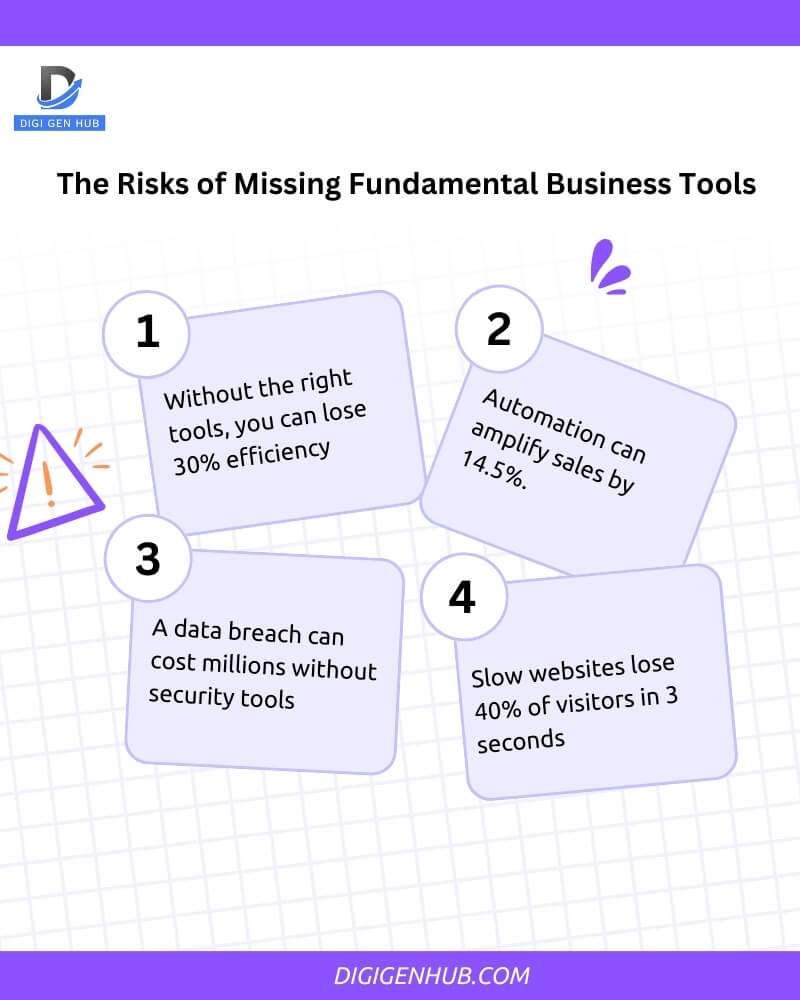
Ignoring the right tech resourches can cost you. Automated businesses see a 14.5% swell in sales. Without automation, you could lose 30% efficiency. Slow websites are even worse. 65% of shoppers leave a site if it takes too long to load. That could cause your bounce rate to rise by 50%, slashing sales by 25%.
Security is another primary concern. A data breach costs businesses $4.35 million on average. 60% of small businesses go under within six months after a cyberattack. But with the right security tools, you can cut this risk by 80%.
Performance tracking and customer insights are essential too. 20% more customers stay loyal to businesses that use the right tracking tools. Without them, you miss out on growth. 40% of visitors leave a site after 3 seconds of loading. That can be a huge lost opportunity.
So, there is to option to deny tech apps. Indeed, these authorize the competitive digital entrepreneurial venture, from security and backup to site performance and email management.
How Apps Help You to Start and Grow Internet-Driven Company
Starting and growing an internet business requires the right tools. Studies show that companies using the right tech can boost efficiency by up to 40%. With the right tools, you can automate tasks, increase sales and improve customer satisfaction. Let’s learn in detail:
Signifiance of AI-Powered Apps for Small Organizations
AI is making waves in all web-based business sections. It can be a dropshipping business or a print-on-demand business. According to recent reports, Firms using AI solutions can increase productivity by 30-40%.
You can use AI applications as a handy assistant for any commercial task. 3 examples are:
Product Creation: AI design apps can automatically generate popular designs, saving time. These technologies, trends and customer behavior to predict what will sell.
Order Fulfilment: AI can predict the demand for specific products, reducing overstock or understock issues. This can improve sales by 20-25%.
Customer Management: AI chatbots help with customer service 24/7, answering questions and solving problems. This reduces response time by up to 50%, boosting customer satisfaction by around 30%.
Yet, using AI for product creation, inventory management and customer service can help you achieve a 25-40% improvement.
Software for Creating Online Courses
Creating and selling online courses is getting easier with AI. Today, digital platforms with AI features have become necessary for course creators. Reports show that 40% of course creators already use AI software to automate tasks. Let’s analyze the below examples:
Automation: AI automates tasks like grading, tracking student progress and sending certificates. This can save creators 50-60% of their time on these tasks.
AI Integration: AI helps create personalized learning experiences for students. For example, it adjusts lessons based on how well the student is doing. This can boost student engagement by 20-30%.
User Engagement: AI can power quizzes, forums and feedback, which keeps students more involved. Courses with these features have 25-35% higher completion rates.
Automation Software for E-Commerce and Marketing
Entrepreneurs are using automation tools and enjoy 50% more efficiency. These solutions help save time, reduce errors and improve customer experience. Let’s learn its impact:
E-Commerce Automation Tools
E-commerce zones that use automation apps can cut manual tasks by 50%. This saves time and improves accuracy. For example:
Inventory Management: AI predicts stock needs. This reduces overstock by 20% and understock by 15%.
Order Fulfillment: Automation speeds up packing and shipping by 30%, cutting errors.
Marketing: Automated emails and social media boost engagement by 25-30%, while AI helps increase sales by 20%.
Future Trends:
AI Predictions: By 2030, AI will predict customer behavior with 85% accuracy.
Robotic Automation: Robots will handle returns and refunds, saving up to 35% in costs.
Business Consulting Tools
Consulting businesses also use automation to save time. These technologies can swell productivity by 40%. For examples:
Scheduling: Automated resources reduce booking errors by 25%.
Tracking: AI tracks progress and helps improve results by 20%.
Collaboration: Cloud platforms help teams work together. This increases efficiency by 35%.
Lead Generation, Marketing and Audience Insights Tools
Lead generation, marketing and audience vision are vital to business success. With the right tools, you can increase conversions, target the right audience and stay in front of competitors. In this section, I’ll discuss the best tech solutions to help you generate high-quality leads, know your niche and optimize your marketing efforts:
Lead Generation Software for Real Estate
Lead generation for real estate is more data-driven than ever today. Using the right apps can increase lead quality by 40% and save time on manual tasks.
Attribute of Lead Generation Tools:
Lead generation tools do not work only for real estate businesses. Indeed, collecting valuable leads works best to connect with the audience as any business needs. For this, exact internet solutions work most to mine 100% accurate data.
Lead Scoring: AI can rank leads based on their likelihood of converting. This improves lead quality by 30%.
Automation: Automated follow-ups and reminders increase response rates by 20-25%.
CRM Integration: Integrated systems help manage leads from various channels in one place, boosting efficiency by 25%.
Impact: Real estate businesses using these solutions see a 20-40% increase in lead conversion rates.
Niche Market Research and Marketing Tools
With the right tools, businesses can uncover profitable opportunities and track competition.
Niche Research: Digital solutions now provide insights into market gaps. This helps you spot 25-30% faster opportunities.
Competition Tracking: By monitoring competitors, businesses can adjust strategies and stay 10-15% ahead of market trends.
Budget-Friendly Options: You can use tech instruments offering basic features, saving 40-50% compared to high-end options.
For fashion and POD brands, apps can organize different budgets. This ensures that businesses of all sizes can compete effectively.
Ad Targeting Internet Solutions
Targeting the right audience is inevitable for successful paid ads. Now, ad-targeting resources can improve ROI by up to 50%.
AI & Analytics: AI helps refine targeting, increasing ad performance by 30-40%. With data analysis, campaigns can reach the most likely customers.
Optimization: Continuous testing and adjustments can increase ad efficiency by 20% in just a few weeks.
Geo & Demographic Targeting: Tools allow precise targeting by location, age and interests. This swells ad effectiveness by 25%.
Impact: Businesses using this software can see a 30-50% improvement in campaign ROI.
Internet Resources for Tracking and Optimizing Website Performance
Tracking website performance is obligatory for online enterprises. According to recent reports, improving site speed by just 1 second can increase conversions by up to 7%. Apps that track your website’s performance help improve speed, uptime and user experience. Yet, you need to monitor these areas:
Speed Optimization: Websites that load in under 3 seconds see 40% more conversions. Digital solutions can identify slow-loading pages and suggest improvements.
Uptime Monitoring: Downtime can cost businesses up to 7% in lost revenue per hour. Uptime monitoring tools alert you when your site goes down, helping reduce these losses.
User Behavior Tracking: By tracking clicks, scrolls and interactions, you can identify areas of improvement. Businesses that analyze user behavior improve engagement by 30%.
Optimize User Experience:
Mobile Responsiveness: 60% of users now shop via mobile. Apps that ensure your site is mobile-friendly can improve sales by 20%.
User Flow Analysis: Understanding how users navigate your site helps reduce bounce rates. Sites that optimize user flow minimise bounce rates by 25-30%.
Software for Network Uptime Monitoring Tools
This ensures your site is always running smoothly. Network uptime is critical for online start-ups. Downtime can lead to a loss of up to 7% of revenue every hour. Hence, monitoring apps ensure your website stays live. This activeness minimizes these losses.
Benefits of Uptime Monitoring:
Prevent Revenue Loss: Businesses with 99.9% uptime can avoid losing up to $1,000 per minute.
Customer Trust: Websites with high uptime (99.99% or better) see 25-30% higher customer trust and retention.
Real-Time Alerts: Monitoring tech applications notify you immediately when your site is down, reducing downtime by 40% through faster responses.
Impact: Websites that use uptime monitoring internet solutions maintain 99.99% uptime. This keeps customers happy and improves retention by up to 20%.
Speed Optimization Software Solution for Your Business Website
Website speed directly impacts user experience and SEO rankings. A 1-second delay in page load time can reduce conversions by 7%. So, speed optimization tools minimize load time and improve site performance.
Benefits of speed optimization:
Faster Load Time: Websites that load within 3 seconds see 40% higher conversion rates.
SEO Benefits: Google’s ranking algorithm favors fast-loading sites, increasing organic traffic by 20-30%.
Improved User Experience: Faster sites have 25-30% lower bounce rates, keeping users engaged longer.
Impact: Businesses that optimize their website speed can see up to a 40% increase in conversions and a 25% decrease in bounce rates.
Apps for Website Security
Online security is more important than ever. Cyberattacks are rising, with 43% of businesses facing data breaches. Still, security tools protect against hacking and data loss.
Security apps can defy these common problems:
Data Breaches: Costs businesses up to $3.86 million per breach. Tools can reduce violations by 90%.
Hacking & Malware: 60% of small businesses close after a cyberattack. Tools block malware, cutting risks by 75%.
Compliance: Tools help meet standards like GDPR, avoiding fines of up to 4% of annual revenue.
Impact: Security apps can reduce attacks by 50% and build 30% more customer trust.
Backup Software to Safeguard Your Company Website
Backups are imperative to protecting data. 60% of businesses lose essential data due to system failure. Yet, backup tools automate the process to prevent this.
Benefits of backup tools:
Automated Backups: These digital solutions prevent 95% of data loss.
Fast Recovery: 70% of businesses recover faster with backup systems.
Less Downtime: Websites with backups face 50% less downtime.
Impact: Backup tools help recover 60% faster. This reduces downtime by 50%.
File Management Tech Resources for Company Site
File management tools keep your documents organized. Businesses save up to 40% of time spent searching for files.
Features of file management tools:
Centralized Storage: Organize files and save 30% of the time.
Cloud Access: Files are accessible anywhere, improving team collaboration by 20%.
Version Control: Track file changes, cutting errors by 25%.
Impact: Using file tools enhances proficiency by 40%. This reduces mistakes by 25%.
Email Management Apps for Harmonious Communication
Email marketing is still one of the best ways to communicate with customers. Businesses using email management tools can see up to a 40% increase in engagement.
Primary Features:
Automated Responses: Tools that automate responses can increase customer satisfaction by 25%. They help reply to inquiries instantly.
Tracking Open Rates: Businesses can improve email campaigns by 15-20% by monitoring open and click-through rates.
Segmentation: Targeting specific customer groups with personalized emails can boost conversion rates by 25%.
Best Practices:
Personalization: Personalized emails have a 26% higher open rate than generic ones.
A/B Testing: Testing different email versions increases open rates by 10-15%.
Frequency: Sending emails 2-3 times monthly can improve lead nurturing by 20%.
Tech Resources for Niche Market
Perceiving competitor’s activities and customers perform magically in niche markets. So, you must use the right tools to improve market position by 20-30%.
Significant Objects from Competitor Analysis:
Tracking Competitor Strategies: 65% of businesses use competitor analysis tools to track product launches, pricing and promotions. This helps adjust strategies quickly, improving sales by 15-20%.
Customer Feedback: Analyzing reviews and feedback can increase customer retention by 25%. Tools that track sentiment can identify issues before they impact your brand.
How to Track Competitors:
Social Listening: Tools track competitor mentions and customer conversations. This can improve strategy by 20%.
Website Analytics: Reviewing competitor websites helps identify their strengths and weaknesses. It gives a 10-15% advantage in competitive positioning.
Measure Customer Behavior:
Surveys and Reviews: Tools help analyze customer reviews and surveys. This can lead to a 20-25% improvement in product offerings.
Behavior Analytics: Tracking customer actions on your site can help increase conversions by 15%.
Conclusion
Summing up, the proper workplace resources can change everything. They save time, reduce mistakes and grow sales. Automation and AI can make tasks precise and create loyal customers. Indeed, technology is always your fair assistant when you aspire to dominate commercial ventures.
FAQ
What technology does every business need?
The most necessary tech solutions you should invest in for small business are:
Cloud Computing: 95% of companies use it for storage and collaboration.
AI & Automation: 82% rely on AI for task automation and boosting efficiency.
Cybersecurity: 91% prioritize data protection and security systems.
E-Commerce Platforms: 89% of businesses sell products through online stores.
Data Analytics: 85% use data-driven insights for decision-making.
Remote Work Tools: 80% use tools for team communication and management.
Project Management Software: 78% use it to streamline tasks and manage workflows.
Online Scheduling Calendars: 74% automate bookings to avoid scheduling conflicts.
Dedicated Phone System: 70% rely on a separate phone system for business calls.CRM System: 87% manage customer relationships and sales effectively using CRM.