
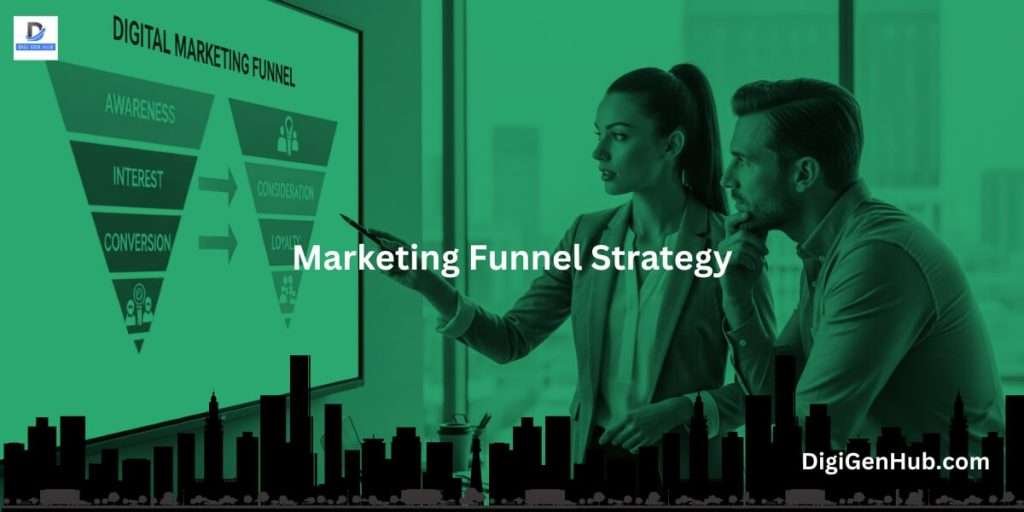

The marketing funnel strategy decides how fast a company grows. Almost 100% of buyers start at discovery, but only 10% move to purchase.
From that group, 50% return and just 15% become advocates. This shows how sharp each stage matters.
Sales funnels now work together with marketing funnels. One builds demand. The other closes deals.
My friend Suzanne runs an online course platform for creative freelancers. Her content got traffic, but sales stayed flat. We studied her funnel.
The middle part had no purpose, no spark to keep learners engaged. Once we added short previews, honest feedback from students and follow-up notes, her enrollments started climbing week after week.
Lead generation also shifts. Short videos grab attention in seconds. AI targeting raises lead quality by 30–40%.
Referrals still cut costs by almost 50% per lead. Funnels today compress steps to match short attention spans with automation tools.
What Is a Marketing Funnel Strategy Today?
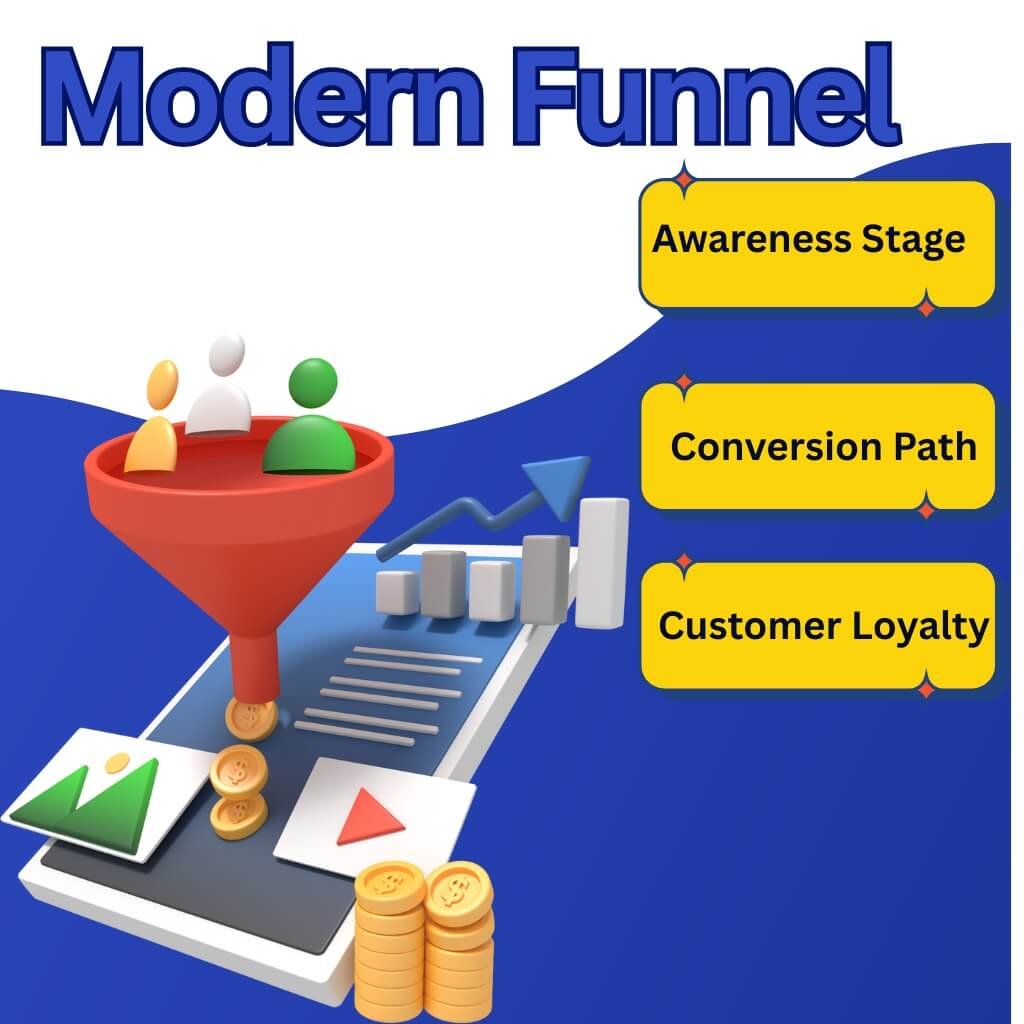
The classic funnel still matters. It moves from awareness to interest, consideration, intent, conversion and loyalty.
But people don’t move in a straight line anymore. They jump around. Some start with consideration, return to awareness, then skip ahead to advocacy. Your funnel must follow this behaviour.
Core Elements of a Strong 2026 Marketing Funnel Strategy
Each stage must connect. Match content with buyer intent. Move leads forward through clear triggers. Stay active across channels.
Build retention from the start. Track metrics that show engagement depth, quality actions and repeat interaction—not just clicks.
How It Works in Practice
Picture this. A viewer sees your ad on connected TV. Later, they spot your social post. They search your brand on Google.
They read a comparison page. Then they join a chat demo and decide to buy. After purchase, they join your community and refer a friend. That’s a full-circle funnel powered by first-party data. Each step fuels the next.
Stage-by-Stage Funnel Strategy for 2026
A strong marketing funnel strategy reads patterns. It spots weak points. It connects with people when they’re ready to act.
Growth online never happens by accident. It happens when every move follows a clear path.
Most brands post and promote. Few truly guide their audience. A good funnel creates that bridge. It turns attention into trust. Trust then turns into consistent action. So, let’s discuss the strategies:
Awareness
Reach wide but stay focused. Use short videos, CTV ads, voice-friendly content and interactive posts.
“130 million Instagram users interact with shoppable posts every month.” (Medium) Write content that fits voice-style queries. Think phrases like “best running shoes under $150.”
Interest & Consideration
Here, people compare and decide. Show proof, demos and quick answers. Trigger follow-ups when users visit key pages or download something.
Use consent-based segments. Personalise without crossing privacy lines. Research from arXiv shows this approach can lift conversions significantly.
Intent & Conversion
Now friction kills deals. One-click checkout and conversational shopping rule this stage. Every extra click can cut conversion by 20–30% (Medium).
Add trust signals like reviews and clear return policies. Use strong CTAs. Run behavioural retargeting and short-term offers.
Loyalty & Advocacy
The funnel doesn’t end at purchase. Repeat buyers cost less and bring others.
Infrontmarketing.ca notes that loops and ecosystems replace old funnels. Build post-purchase emails, welcome kits and referral programmes. Invite users to communities. Let them share their stories.
The Latest Funnel Strategies for 2026
AI-Driven Personalisation
Predictive models guide actions. A study on arXiv found the SLM4Offer model raised offer acceptance by 17%. Use AI to see who might drop off. Send messages or offers before that happens.
Omnichannel and Conversational Journeys
People switch between devices and apps. Acadia.io shows that CTV ads now drive results across all funnel stages.
Connect CTV exposure with web visits. Retarget through mobile or chat. Include voice-search queries in SEO.
Privacy-First Data Focus
Third-party cookies are fading. Build first-party data through quizzes, memberships and logins.
Be clear about how you use it. People reward brands that earn trust (Tinuiti).
Immersive Experiences
AR try-ons, shoppable videos and live-stream shopping are growing fast. Shoppable posts on social platforms keep users engaged (Medium).
Add interactive content early in the journey. It turns curiosity into buying intent.
The Funnel as a Loop
Think of your funnel as a circle, not a line. A purchase leads to loyalty. Loyalty leads to advocacy.
Advocacy feeds new awareness. Each loop grows your brand and keeps momentum alive.
So, what are the updated stages of a marketing funnel in today’s digital market? Let’s explain:
1. Discovery (100% of Prospects)
All users start here. They notice a problem or need. They see your brand on social media, ads, blogs, or from friends.
The goal is to reach many people. Short videos, graphics and blog posts catch attention. Curiosity grows.
2. Engagement (≈35% of Discovered Users)
About one-third of users interact. They watch videos. They click links. They comment or join polls.
This stage teaches and excites them about your product. Webinars, emails, quizzes and mini-courses keep them interested.
3. Evaluation (≈20% of Engaged Users)
One-fifth of engaged users compare options. They read reviews. They check testimonials. They ask questions.
The goal is to show your product works best. Case studies, guides, demos and free trials help them decide.
4. Decision (≈10% of Evaluated Users)
Around 10% buy or subscribe. They finish carts or submit forms. This stage removes doubts.
Limited-time deals, reminder emails, direct calls and discounts push action. Conversion happens here.
5. Retention (≈50% of First-Time Buyers)
Half of the new buyers return. They get support and tips. They enjoy loyalty perks. This keeps them using your product.
Emails, rewards and in-app guidance keep them active. Repeat purchases rise.
6. Advocacy (≈15% of Retained Customers)
About 15% of retained buyers promote your brand. They share posts, write reviews and refer friends.
Referral programs, social sharing and testimonials bring new leads. This creates a cycle of growth.
Why is the conversion funnel different for B2B vs B2C now?
Not all funnels work the same. B2B buyers act differently from B2C buyers. They think differently, decide differently and take a different time to buy.
B2B funnels are longer and involve multiple decision-makers. B2C funnels are shorter and rely more on emotions.
Understanding these differences helps marketers target the right approach at each stage.
B2B vs B2C Conversion Funnel Comparison
| Aspect | B2B Funnel | B2C Funnel |
| Decision Time | 3–9 months | 1 day – 1 week |
| Decision Makers | 5–10 stakeholders | 1–2 stakeholders |
| Focus | ROI, logic, business needs | Emotion, personal benefit |
| Conversion Rate | ~3.2% | ~1.8% |
| Content Type | Case studies, demos, guides | Social posts, videos, reviews |
| Trend Focus | AI insights, ABM, sales alignment | Personalization, social media, influencer campaigns |
What’s Next in 2026
Voice and AI search will rise quickly. Social commerce will expand. People will buy directly inside social apps. Micro-communities will gain power.
Emotional storytelling will matter more. Brands will mix digital and physical experiences. Hybrid human-AI teams will lead this change (Vogue Business, Investors).
Which Trend to Prioritise
Already have strong data? Focus on AI personalisation.
Use social or streaming to reach people? Build omnichannel CTV campaigns.
Just getting started? Collect first-party data and map your full customer cycle.
Simple Implementation Path
Pick one main channel. Build your funnel from awareness to purchase. Gather first-party data through signups.
Add retargeting for mid-funnel users. Create post-purchase emails and referral invites.
Then scale across CTV, live-shopping and voice content. Add AI triggers when ready. Keep testing and improving.
How to Measure and Optimize the Modern Funnel
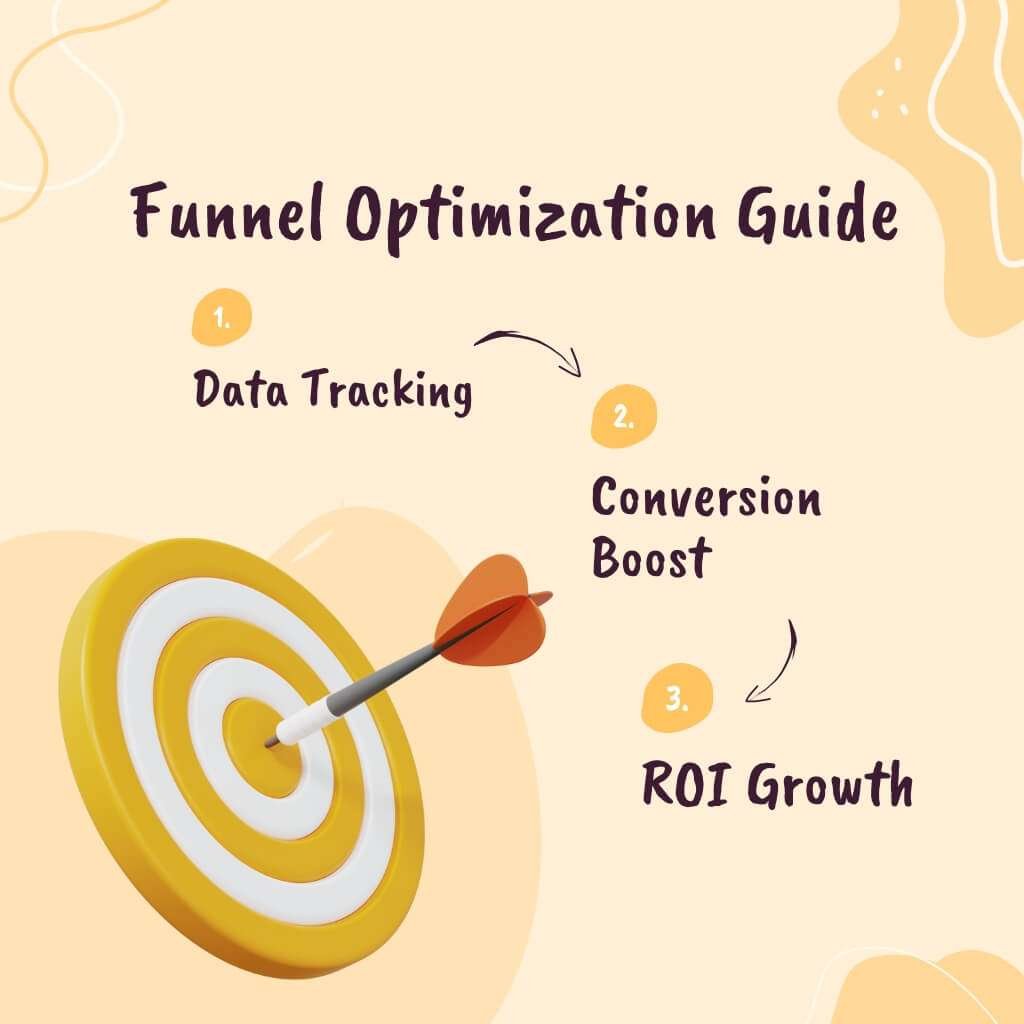
Don’t measure only by final conversions. Track each stage.
Awareness: brand lift, reach and new users.
Consideration: lead captures and dwell time.
Conversion: cart rate and checkout rate.
Loyalty: CLV and referrals.
Cross-device tracking is harder now. Boston Consulting Group says AI helps brands move from linear funnels to “influence maps.” Combine first-party data, incrementality testing and marketing mix models (arXiv).
Funnel Audits and Optimisation
List every touchpoint. Find where people drop off. Test new creatives. Adjust offers and budgets. Predict drop-offs and respond early. Keep dashboards active and data clean.
Future-Proofing Your Funnel
Stay flexible. Keep your data accurate. Watch new formats—voice, AR/VR and creator-driven channels. Review your funnel quarterly. Tweak monthly. Track new trends weekly.
Case Study: A U.S. Brand’s Full-Funnel Win
A U.S. beauty brand used a full-funnel connected-TV strategy with Strategus. The campaign made $203,137 in three months.
It drove 4,024 purchases from 40,342 visits. The funnel connected CTV awareness, video retargeting and e-commerce conversion. Behavioural data guided each step. The result: measurable revenue and a lasting funnel cycle.
Sales Funnel vs Marketing Funnel
Businesses must balance leads and funnel performance. They also face debates on customer journey versus funnel stages.
Using funnels for both websites and apps is crucial. Many still lose conversions at certain points. Knowing these details helps improve results.
Marketing Funnel vs Sales Funnel: Where Do They Overlap and Differ?
Sales funnels aim to close deals. Marketing funnels aim to gather and educate leads. Both use data to track progress. Let’s see this from all angles:
Marketing Funnel vs Sales Funnel
| Aspect | Sales Funnel | Marketing Funnel |
| Focus | Turn leads into customers | Attract and nurture potential leads |
| Stage | Starts at the decision stage | Starts at the awareness stage |
| Goal | Close the sale | Create interest and engagement |
| Tools | Calls, demos, personalized offers | Ads, content, social campaigns |
| Overlap | Both guide users to purchase | Both use data to improve results |
Using Funnels for Website and Mobile App Buyers
Websites attract and educate users. Apps engage users directly. Both need tailored content for action. Let’s get some clarity to optimize conversion funnels:
A . Website
Strategy: Drive traffic and convert visitors into leads and customers.
Tactics:
Optimize landing pages for a frictionless user journey.
Use SEO to attract high-intent organic traffic from Google Analytics.
Implement retargeting ads to re-engage past visitors.
B . Mobile App
Strategy: Attract users, encourage engagement and drive in-app conversions.
Tactics:
Use push notifications and in-app messages for timely engagement.
Optimize for app store SEO (ASO) to increase discoverability.
Streamline the user experience and onboarding process.
Where Businesses Lose Conversions
Let’s make sure the common problems that cause conversion loss at each stage of the funnel:
1. Awareness Stage
Problem: Poor targeting or weak messaging fails to attract the right audience.
2. Interest Stage
Problem: Unengaging or unclear content fails to educate and maintain interest.
3. Decision Stage
Problem: Complicated checkout processes or unclear calls-to-action deter purchases.
4. Action Stage
Problem: Slow website or app performance leads to user drop-off.
5. Post-Purchase Stage
Problem: Weak follow-up or inadequate support results in low customer retention.
Yet, most businesses fail where users hesitate. Fixing these points increases sales and loyalty.
Lead Generation and Conversion Funnel
AI-driven targeting finds leads likely to buy. Short videos grab attention quickly on TikTok and Instagram Reels.
Referral programs encourage customers to bring new leads. Quizzes and surveys qualify leads fast.
Account-based marketing targets high-value companies. These tactics increase conversions and focus on the best leads.
What metrics matter most in funnel optimization now?
Conversion rate shows how many users take action. Lead-to-MQL conversion tracks leads becoming marketing-qualified.
MQL-to-SQL conversion shows marketing-qualified leads turning into sales-qualified leads.
Sales velocity measures how fast leads move through the funnel. Time-to-close shows how long it takes to finish a sale. Tracking these metrics helps spot problems and improve results.
How can businesses cut costs but still scale lead generation?
Businesses are now capable of handling repetitive tasks and saving time with AI automation. Content repurposing spreads the same content across platforms.
Outsourcing some tasks to agencies cuts costs. Referral programs bring in new leads cheaply.
Social media engagement, on LinkedIn and Facebook, attracts leads organically. These methods reduce expenses while keeping lead quality high.
Which of the impactful general funnel platforms
Let’s put things into perspective to get the effective software:
1. GetResponse
GetResponse offers email marketing. You can create landing pages and autoresponders. It also provides webinars and chat support. Campaign management is easy and fast.
Cost analysis
| Plan | Monthly Cost | Notes |
| Starter | $15.58 | Up to 1,000 subscribers |
| Marketer | $48.38 | Advanced automation features |
| Creator | $56.58 | Includes webinar hosting |
| Enterprise | Custom | Tailored solutions for large-scale needs |
2. ClickFunnels
ClickFunnels builds sales funnels. It includes email automation and A/B testing. You can run affiliate programs. Membership sites are supported. It suits direct-response marketing.
Financial perspective
| Plan | Monthly Cost | Notes |
| Launch | $81 | Basic funnel builder |
| Scale | $164 | Advanced funnel features |
| Optimize | $248 | Funnel optimization & testing |
| Dominate | $5,997/year | Full suite for agencies |
3. Systeme.io
Systeme.io allows funnel building. Email marketing and automation rules are included. Membership sites and affiliate management are available. It is simple and affordable.
Price point
| Plan | Monthly Cost | Notes |
| Freemium | $0 | Basic features |
| Startup | $17 | Entry-level plan |
| Webinar | $47 | Webinar support included |
| Unlimited | $97 | Full features, unlimited contacts |
4. Involve.me
Involve.me creates interactive forms, quizzes and calculators. It helps capture leads. Analytics are built in. Engagement with visitors becomes easy.
Budgetary viewpoint
| Plan | Monthly Cost | Notes |
| Free | $0 | Limited features |
| Basic | $29 | Core interactive tools |
| Pro | $59 | Advanced engagement tools |
| Business | $129 | Full features for teams |
| Enterprise | Custom | Tailored solutions for large organizations |
The Role of AI in Marketing Funnel Strategy and Stages
AI helps businesses predict leads, personalize experiences and improve conversions. Funnels now adapt to each buyer.
AI also impacts customer journey mapping and lead generation. Companies must understand both opportunities and ethical concerns.
How does AI impact customer journey mapping?
AI maps journeys dynamically. It adapts to changing buyer behaviors
Behavior Tracking
AI records every touchpoint from websites and mobile apps.
Journey Prediction
Predicts next actions for each customer.
Segmentation
Group customers by interests, actions and purchase likelihood.
Experience Design
Suggests better interactions to guide buyers smoothly.
Retention Planning
Identifies loyal customers and engagement opportunities.
Can AI-driven funnels improve both the sales funnel and lead generation?
AI improves both the quality and quantity of leads. Sales teams can focus on the best opportunities.
Lead Scoring
Identifies high-potential leads faster.
Conversion Rate
Increases conversions by showing relevant offers to the right user.
Efficiency
Automates repetitive tasks, freeing teams for strategy.
Sales Velocity
Moves leads through the funnel faster with predictive insights.
Engagement
Delivers personalized experiences to increase interest and action.
What ethical questions does AI raise in conversion tracking?
Data Privacy
Collecting customer data without consent can violate privacy laws.
Bias in AI
AI may favor certain demographics or behaviors unfairly.
Transparency
Users may not know how AI makes decisions or recommendations.
Consent & Control
Customers must control how their data is used in tracking and funnels.
Security
Storing large amounts of data requires strong protection against leaks.
What are the Dependable AI Tools for Marketing Funnel Strategy?
Ok. Let’s get a more complete picture from the tools below:
1. MadKudu
MadKudu analyzes user behavior. It grades leads based on engagement. It integrates with CRMs. It helps prioritize sales efforts. It enhances lead scoring accuracy.
Expense Evaluation
| Plan | Monthly Cost | Notes |
| Growth | $999 | Includes basic features |
| Pro | Custom | Advanced features and support |
2. Journify AI
ournify activates first-party data. It personalizes marketing campaigns. It integrates with major platforms. It ensures privacy compliance. It enhances targeting accuracy.
Cost Detail:
Pricing details are not publicly disclosed. Contact Journify for specific pricing information.
3. Akkio
Akkio offers no-code AI model building. It provides predictive analytics. It integrates with various data sources.
It offers real-time insights. It supports media agencies with advanced needs.
Financial Review
| Plan | Monthly Cost | Notes |
| Starter | $49 | Basic features |
| Professional | $499 | Advanced features |
| Business | $1,499 | Full features |
| Custom | Custom | Tailored solutions |
Conclusion
A marketing funnel strategy is the company’s supply chain for trust. It is the sales pipeline’s twin engine. It works like a stock market with automation tools. It is a contract between attention and action. Run it well and the funnel becomes not a cost center, but a profit machine.
FAQ
How can micro‑experiences improve my marketing funnel strategy?
Micro‑experiences are tiny, interactive moments like polls or short quizzes. They engage users quickly. Each small action moves them closer to a bigger conversion.
Can storytelling alone shape a funnel in 2026?
Yes. Stories create context and emotion. They help users remember your brand. A strong story can guide users through awareness to interest naturally.
How do niche communities affect my funnel next year?
Small online communities like Discord or private groups act as mini-funnels.
They nurture loyal users. Engagement here can lead to organic referrals and conversions.
What is “funnel gamification” and how does it work?
Gamification adds rewards, levels, or challenges. Users engage more. They explore, interact and progress through your funnel faster.
How do subscription models impact funnel design?
Focus shifts from one-time purchase to repeated value. Early steps show ongoing benefits. Renewal and usage milestones drive long-term engagement.
Can hybrid digital‑physical experiences fit in my funnel strategy?
Yes. Combine offline events with online content. QR codes, pop-ups, or live demos link physical and digital steps. Users feel connected across channels.
How does social proof evolve for the next generation of buyers?
Dynamic endorsements matter more than static reviews. Micro-influencers and community testimonials carry weight. Real-time proof increases trust and action.
Will AI avatars or virtual assistants replace traditional funnel touchpoints?
Not fully. They add personality and interaction. AI can suggest content, answer questions and guide users like a live assistant.
How can environmental or ethical positioning integrate into a funnel?
Show your values early. Sustainability or social causes attract the right audience. Users convert faster when they connect with your purpose.
What new funnel formats are emerging beyond linear models?
Funnels are becoming flexible, web-like paths. Users can enter and exit at different points. This keeps engagement high while still guiding them toward action.