How to Increase Brand Awareness is about getting noticed where users live. Short videos grab attention fast. Small creators bring trust. Communities and user content guide choices.
Yet, social shopping grows 30% a year. Data shows what works and what fails. Paid ads give instant visibility.
Organic content builds lasting loyalty. AI personalizes messages without invading privacy. Memory cues, demo clips, CTV spots, retail ads and DOOH screens all play a role.
So, layer actions step by step. Track saves, clicks, scans and searches. Brands that mix creativity, data and real human connections get remembered and chosen.
How to Increase Brand Awareness
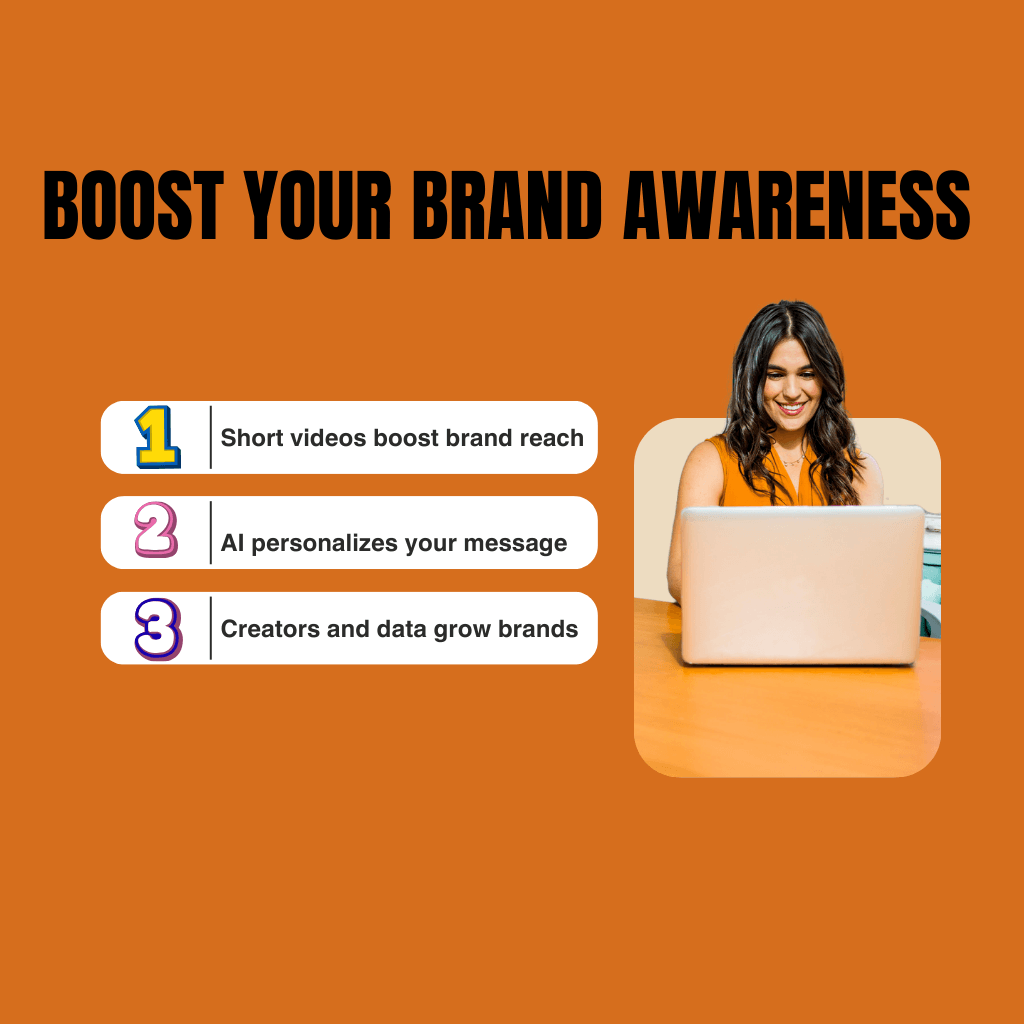
Users love quick clips. So, short-form video rules now. They use small, trusted creators.
Brand lift, share-of-search, direct traffic, mentions. They use AI to make messages fit each person. They sell inside apps. They let data guide decisions.
Nano influencers bring real trust. 76% of brands work with small creators. These creators drive strong engagement.
Social shopping grows fast. Users buy inside apps like Instagram Shopping. They also move AI shopping assistant.
Data guides every move. Brands use metrics to fine-tune ad effort. Original data, UGC/creator content, helpful how-tos. Data including product price and other information, helps lift return on ad spend by up to 15%.
User voice wins. Consumers trust other users more than ads. Sites with user content win attention.
Print makes a comeback. Ad fatigue pushes readers back to trusted print. Brands like Microsoft and Costco now use it again. Axios
Now see the processes of increasing brand awareness:
10 processes that work effectively:
1) Lock your memory cues
Pick 2–4 cues: color, shape, sound, mascot.
Repeat them everywhere for 6–12 months.
Why: clear cues make people recall you faster.
Proof: study shows brands often overrate their cues; testing avoids waste.
Tip: test cues with a small recall survey.
2) Answer exact questions
Build FAQ hub with short posts + 1-min clips.
Why: one place beats scattered posts.
Example: HubSpot ranks high with its FAQ style guides. HubSpot
Tip: keep each answer short, clear and visual.
3) Treat short videos as search
Post vertical clips on TikTok, Reels and Shorts maintaining the schedule.
Each clip answers one micro problem.
Why: people now search inside video apps.
Proof: Shorts keep growing.
Tip: Show the reward in the first 2 seconds.
4) Sell and teach inside the TikTok Shop
Make demo videos. Add bundle offers.
Why: TikTok Shop sales are rising fast.
Tip: push simple SKUs. Track saves + carts.
5) Work with creators on clear terms
Give small creators custom offers.
Pay by clicks or sales plus a base fee.
Why: creator posts lift recall + intent.
Example: fashion brand Heaven Mayhem grew via creator-led launches. Vogue Business
Tip: brief them around a problem solved, not a slogan.
6) Use retail media
Run Sponsored Brands on Amazon, Walmart and Flipkart.
Why: Retail ads hit people close to purchase.
Proof: retail media is the fastest ad spend growth. eMarketer
Tip: Guard your brand search terms.
7) Add Connected TV (CTV)
Run 15–30s spots. Retarget site visitors.
Why: CTV spots often get 90% view completion.
Tip: Use the same cues. Test 2–3 cuts. Measure branded search.
8) Try programmatic DOOH
Place city screens. Trigger ads by time/weather.
Add QR codes for samples or maps.
Why: DOOH is now measurable. QR links prove it.
Example: Guinness ran a weather DOOH with QR to pubs. The Drum
Tip: max 7 words on screen. One CTA.
9) Join niche groups
Enter Reddit, Discord and small forums.
Answer threads. Run AMAs. Share templates.
Why: Men especially rely on Reddit to pick brands.
Proof: Reddit for Business shows AMA case studies. Reddit Business
Tip: help first. Label promo. Track saves + traffic.
10) Publish one data study per quarter
Use your sales or survey data.
Release one chart-heavy report.
Why: media love fresh stats. Links grow recall.
Example: PR case studies show mini data reports still earn wide coverage.
Tip: one hero stat, one chart, two lines.
How to check progress
Brand lift: 3 simple recall questions.
Share of search: track your brand queries vs category. Cheap and fast.
Direct signals: check direct traffic, branded queries, mentions.
Channel checks:
A . Shorts saves
B . CTV site visits 24–72h
C . DOOH QR scans
D . Creator link clicks
Think of awareness like planting seeds each week.
Do not try everything at once.
Layer moves step by step.
Each task below is simple, trackable and tied to the 2025 trends already proven.
Now you can analyze the following chart to increase your brand awareness:
6-Week Awareness Action Calendar
| Week | Focus | Main Actions | Expected Signal |
| 1 | Set cues + hub | – Pick 2–4 cues (color, mascot, sound).- Test recall with 20–30 people.- Publish FAQ hub (5 short Q&A posts). | Survey recall % baseline.Hub gets first search clicks. |
| 2 | Short clips start | – Post 5 Shorts/Reels answering 1 FAQ each.- Pin links to the hub. | First saves + comments.Search traffic from Shorts. |
| 3 | TikTok Shop + creators | – Upload 3 demo clips in TikTok Shop.- Give 3 micro creators custom bundles. | Track add-to-cart %.First creator link clicks. |
| 4 | Retail + CTV push | – Run Sponsored Brands ads on 1 retail site.- Launch 2 CTV spots (15–30s).- Start Meta ads: split budget 50% Reels, 30% Feed, 20% Stories. | Brand search rises.Site visits within 72h. |
| 5 | Outdoor + groups | – Book 1 DOOH city screen with QR.- Host AMA on Reddit/Discord. | QR scans.AMA saves + traffic. |
| 6 | Data story drop | – Publish 1 mini report (chart + hero stat).- Pitch 10 writers with an embed link. | Media mentions.Links to hub. |
How can Businesses Increase Visibility without Overspending?
Start with methods that cost little. Build trust with real people. Own your audience. Use content and local tools. Skip heavy ads. This wins visibility—on a budget.
Use email marketing. It gives $36 for every $1 spent—that’s a 3600% ROI.
Focus on SEO and blogs. Blogging draws 55% more visitors. SEO can deliver $10 return per $1 invested.
Use social media posts. 93% of small businesses share content there. It costs little and reaches many.
Publicize using user voices. UGC gets 3–5× higher engagement. Micro-influencers get 82% more trust than ads.
Start first-party data via emails, SMS and CRM. Brands that do this get up to 2× ROI.
Use Google Business Profile and Local SEO. Both are free. They help nearby customers find you.
Create referral or loyalty programs. Happy customers talk. They bring in new ones with little cost.
Join community events or pop-up stalls. They cost low. They make real connections beyond ads.
Rely more on organic content than paid ads. Ads face tracking limits and rising costs today.
Where do Traditional and Digital Branding Overlap Today?
Any workshop or brands mix traditional and digital tactics. This creates stronger campaigns.
1. Unified Campaigns
Brands run TV ads, billboards and social media posts together.
This gives people the same message everywhere.
TV commercials plus social campaigns reach more people.
2. Consistent Brand Messaging
Brand voice stays the same on all channels.
People hear the same message on billboards and online ads.
This builds recognition and trust.
3. Data-Driven Decisions
Digital tools track both offline and online campaigns.
Brands learn what people like and buy.
They can plan better campaigns using this data.
4. Enhanced Customer Engagement
Traditional ads send people to online platforms.
There, users join contests, polls, or get exclusive content.
This creates stronger connections with the brand.
5. Cross-Channel Promotions
A campaign can start in traditional media.
It can continue online.
For example, a TV ad can send viewers to a website for a special deal.
What Role does Community-Driven Content Play in Building Trust?
Community-driven content is now vital for building trust. It includes user reviews, photos, videos and social media posts. This content is created by real customers, not brands.
Why It Builds Trust
Authenticity: People trust real experiences more than brand messages. Over 75% of users prefer user-generated content over traditional ads for its authenticity.
Relatability: Seeing peers use a product makes it more relatable. Brands using user-generated content see up to 24% higher engagement.
Influence: User content influences buying decisions. 77% of shoppers are more likely to purchase a product they discovered through user-generated content.
How It Works
Social Proof: When customers share their experiences, it shows others that the product is trustworthy.
Peer Recommendations: People trust their peers more than brands. User-generated content acts as a recommendation from a friend.
Engagement: Encouraging customers to share content creates a community. This community feels valued and is more likely to trust the brand.
Which Channels are the Highest CPC Return on Awareness Campaigns?
Google Search gives top CPC returns. YouTube, TikTok, Facebook, Pinterest and Instagram drive engagement. LinkedIn is great for business marketing. Pinterest and Amazon reach targeted users. All together, they deliver measurable results and high CPC value.
Google Search Ads lead the market. They reach people ready to act. Average CPC is $5.26. Sectors like education and beauty see strong returns.
YouTube Ads show videos to a wide audience. They tell your brand story visually. Engagement is high.
TikTok Ads reach younger audiences. Short, creative clips go viral fast. Many brands see 20–30% higher click-through rates here.
Instagram Ads shine for visual products. Influencer content helps campaigns perform better.
LinkedIn Ads target professionals. Best for B2B campaigns. Leads and visibility grow quickly.
Pinterest Ads attract users ready to shop. Fashion, DIY and lifestyle brands benefit most.
Snapchat Ads engage young users. Filters and interactive posts grab attention.
Amazon Sponsored Ads reach shoppers ready to buy. They increase product discovery and sales.
Reddit Ads connect with niche communities. Engagement in interest groups can rise up to 50%.
Programmatic Display Ads automate ad buying. They expand reach and help retarget interested audiences.
How do Brands Create Lasting Digital Branding?
Use AI, video, privacy-safe data, authentic content and community. These five steps help brands stand out online.
1. Use AI for Personalized Experiences
AI studies user behavior. It shows content and products that each person likes. Brands connect better with users. Loyalty grows.
2. Embrace Video Commerce
Video rules online. Shoppable videos let people buy while watching. TikTok and Instagram lead this trend. Video commerce grows 30% per year.
3. Prioritize Privacy and First-Party Data
Users care about privacy. Brands collect data directly from users. First-party data builds trust. It keeps brands compliant with laws. Relationships last longer.
4. Develop Authentic Brand Content
Create stories that feel real. Show your values and mission. Move beyond just selling. Authentic content strengthens your brand. It builds deeper connections.
5. Foster Community Engagement
Build communities around shared interests. Talk to users on social media and forums. People feel part of something. Brand loyalty grows. Word-of-mouth spreads your message.
How does Paid Advertising Compare to Organic Growth for Brand Awareness?
Paid ads can drive immediate traffic, while organic growth builds lasting relationships and trust.
Paid vs. Organic Growth for Brand Recognition
| Aspect | Paid Advertising | Organic Growth |
| Speed | Fast. Visibility in hours or days. | Slow. Takes months to build momentum. |
| Cost | High. Continuous investment is needed. | Low. Mainly time and effort. |
| Reach | Targeted. Shows ads to specific audiences. | Broad. Reaches users searching naturally. |
| Longevity | Short-term. Stops when the budget ends. | Long-term. Content keeps attracting users. |
| Trust & Authority | Medium. Seen as promotional. | High. Builds credibility and loyalty. |
| ROI | It can yield 200% or more if managed well. | Slower but sustainable growth over time. |
Brands use both paid and organic methods to grow recognition. Each works differently.
Vital Points:
Paid ads deliver immediate recognition. Great for launches, offers, or events.
Organic growth builds lasting trust. Content, SEO and social posts keep working.
Best approach: Combine both. Paid drives fast awareness. Organic strengthens long-term brand power.
5-Step Action Plan: Paid + Organic for Brand Recognition
1. Launch Paid Campaigns First
Run targeted ads on Google, TikTok, Instagram and LinkedIn.
Generate immediate awareness.
2. Publish High-Value Organic Content
Create blogs, social posts, and videos.
Focus on storytelling, tips, and solutions.
Builds credibility over time.
3. Retarget Paid Ads Using Organic Insights
Track which organic posts get the most engagement.
Use these insights to refine paid campaigns.
Improve ROI and relevance.
4. Encourage Community Interaction
Ask followers to comment, share, or post reviews.
User-generated content increases trust.
Organic reach grows naturally.
5. Measure and Optimize Continuously
Track CPC, engagement, traffic, and conversions.
Adjust budgets and content based on performance.
Keep combining paid and organic for steady growth.
AI and the Future of Brand Awareness
AI changes how brands reach people.
It helps create personalized content for each user.
Brands see more engagement and loyalty.
Ethics and transparency remain important.
Let’s explore the AI Strategies:
1. Hyper-Personalized Experiences
AI studies user behavior.
It shows content and offers each person prefers.
65% of executives say predictive AI drives growth.
2. Automated Creative Production
AI tools make visuals and copy fast.
Brands save time and money.
Tools include Adobe Sensei and Runway.
3. Conversational AI
Chatbots and voice assistants talk to users.
They keep brand voice consistent.
Users get answers anytime.
4. AI-Powered Influencer Marketing
AI helps create digital influencers.
Content scales to millions of users.
Unilever’s AI campaigns got billions of impressions.
5. Ethical AI Practices
Brands must be clear about AI content.
Transparency keeps trust high..
Can AI tools personalize brand recognition without harming privacy?
Yes, AI tools can personalize brand recognition without harming privacy—if used correctly.
How AI Can Respect Privacy
Federated Learning: AI learns from data on your device, not from a central server. This keeps your data private.
Differential Privacy: AI adds noise to data, so individual info stays hidden. It helps in sharing insights without exposing personal details.
Homomorphic Encryption: AI can analyze encrypted data without decrypting it. This ensures data remains secure during processing.
Risks to Watch
Data Scraping: AI might use data without permission, leading to privacy violations.
Bias in AI Models: AI can unintentionally use biased data, affecting fairness and privacy.
Lack of Transparency: Some AI systems don’t explain how they use your data, raising trust issues.
Best Practices for Brands
Limit Data Collection: Only gather necessary information. Avoid over-collection..
Seek Explicit Consent: Always ask users before using their data. Be clear about its use.
Ensure Transparency: Inform users about data usage and AI processes. Build trust through openness.
Which AI solutions help in creating stronger digital branding?
Adobe Firefly generates unique visuals, videos, and text effects. Canva AI designs social media posts, presentations and videos.
Jasper AI generates marketing copy, emails, and blog content. Surfer SEO optimizes content for search engines. Smartly.io automates social media advertising.
How do businesses track AI’s impact on brand awareness?
Businesses now use AI to enhance brand marketing. To assess its effectiveness, they track specific metrics. Let’s see a step-by-step guide:
Step-by-Step Process
Set Clear Goals
Define what success looks like (e.g., increased engagement, higher conversions).
Monitor Engagement Metrics
Track open rates, click-through rates, and session durations.
AI-driven personalization can improve these by up to 50%.
Assess Conversion Rates
Measure how many interactions lead to desired actions.
AI can enhance conversion rates by 20–30%.
Evaluate Customer Retention
Use AI tools to identify at-risk customers and implement retention strategies.
This approach can reduce churn by 10–15%.
Analyze Brand Sentiment
Employ AI for sentiment analysis to gauge public perception.
Positive sentiment correlates with increased brand loyalty.
Calculate Return on Investment (ROI)
Compare revenue growth to AI-related expenses.
A positive ROI indicates effective AI utilization.
Conclusion
Thus, think of brand awareness like building a portfolio. Each short video, creator post, or data insight is an investment. Some pay off fast, some grow steadily. Track returns, adjust strategy, and reinvest wisely.
Your brand becomes a flagship product; trusted, visible, and preferred. Layered moves create compounding value. Brands that combine creativity, data, and human connection don’t just compete; they lead the market.
FAQ
What is brand awareness and why does it matter?
Brand awareness means people know your brand. They recall your name or recognize your look. It matters because:
70% of brand marketers list building brand awareness as their top goal on social media. Brands need 6 to 7 impressions before people remember them. 50% of consumers buy from brands they already know.
How is brand awareness different from brand recognition today?
Many people mix brand awareness and brand recognition. But they are not the same. Awareness goes deeper. Recognition is only the surface.
Both matter more than ever. 50% of consumers buy from brands they already know. But people also act when they recognize a logo, sound, or color. Colors alone can lift recognition by 80%.
To build awareness, brands need 6 to 7 views before buyers remember them. Recognition, on the other hand, works faster. A single sign or tone can spark recall instantly.

Aliza Khatun is a Digital Marketing Professional and the founder of DigiGenHub. She has helped various businesses grow their online presence through real-world experience in marketing, branding, traffic growth, and business strategy.
Through DigiGenHub, she shows how to build and grow a business from the ground up using Website Setup, SEO, Branding, Paid Promotion, and smart digital tools.
She also highlights how AI can be used to its full potential to make content creation, automation, marketing, and business growth faster and smarter.
She believes that the right knowledge, modern technology, and the right tools can help any individual or business build a stronger online presence.