Social Media Marketing for Online Businesses amplifies sales, traffic and loyal customers. It works amazingly if you use each platform correctly.
Facebook grows loyal groups and drives sales with precise ads. Instagram builds trust through visuals and Reels. LinkedIn opens doors for B2B connections.
Pinterest sends buyers directly to e-commerce stores. TikTok sparks instant reach with short videos. X helps brands join conversations and stay visible.
Back in 2022, I worked with a small online jewellery brand. Great products, passionate founder, but no results. They posted every day with no engagement or sales. Then I combined social media with a clear marketing plan.
I redesigned their Instagram visuals, shared Pinterest boards for discovery and made short TikTok clips. Within eight weeks, orders started coming in.
Use honest stories, creator partnerships and social shopping features for the upcoming 2026. AI-driven ad platforms and short-form videos guide what works. Treat social media as a business core where people see, trust and buy.
Why Should You Invest in Social Media Marketing for Online Businesses?
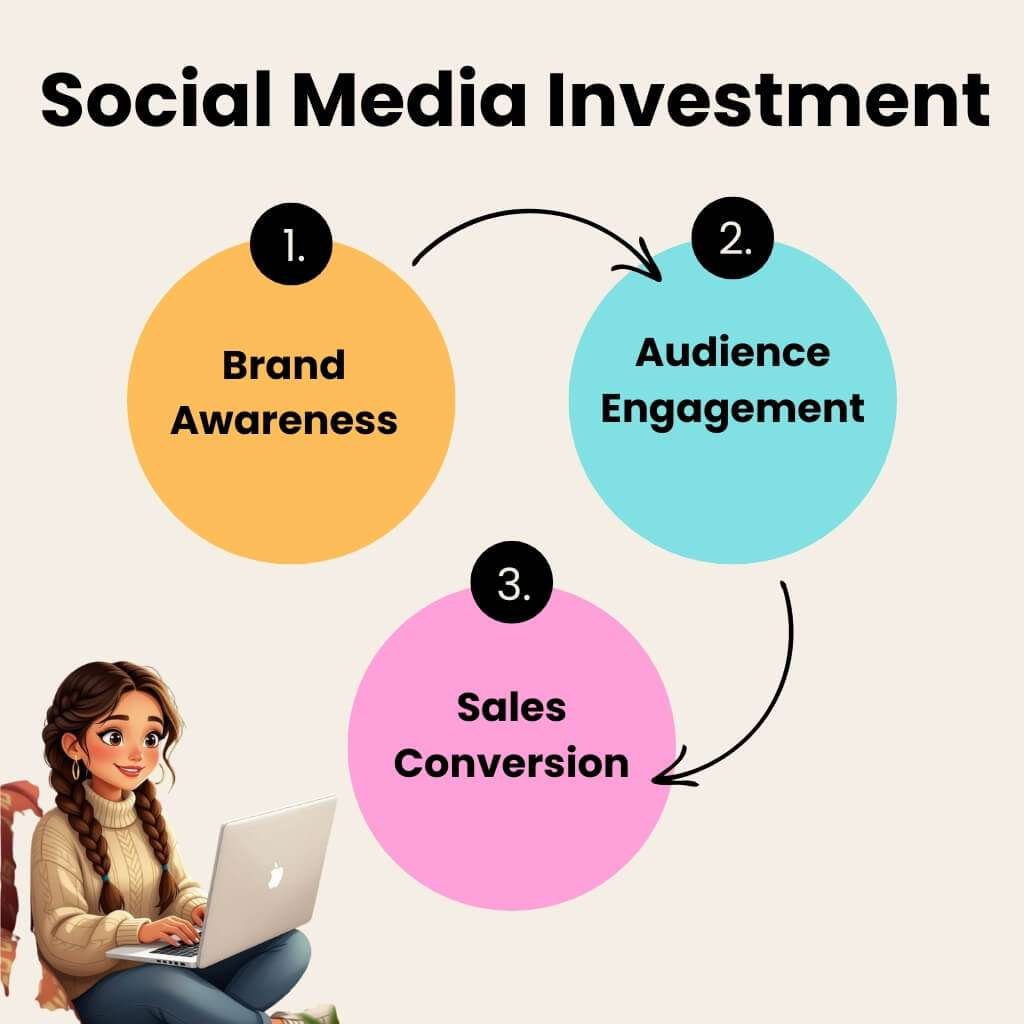
I’ve seen the confusion. “Should I post daily?” “Do I need to be on TikTok?” “Why am I getting likes but no sales?” I’ve asked the same questions to clients and lost hours, money and momentum in figuring them out.
So I built systems. I tracked patterns. I tested tools. And now I know what works — not in theory, but in real, messy, everyday online business life.
Hence, running an online business today without social media and public relations? That’s like trying to sell ice cream in a blackout. No one sees you, even if your stuff is fantastic.
Let’s learn why marketing and social media aren’t just “nice to have” anymore, it’s your business engine.
1. Digital Buyers Are Already Shopping on Social
More and more people buy directly from social apps. AI also plays a big role as a shopping assistant now. No extra clicks. There are no website tabs. Just scroll → tap → done.
Social shopping will hit $104 billion in the U.S. alone this year. That’s not a trend; it’s the new normal. Source: statista.com
Real story?
Elyse Breanne Design went from a small art shop to big-time success after her TikTok about gel pens hit 11M views. She made $990K+ in a year by showing up smart on social media.
2. Platforms Now Let You Sell Inside the App
Social media used to be where you talked about products. Now? You sell them right there. TikTok and Instagram Shop are like having your checkout counter inside the party.
Brands using these tools are cutting extra steps and making money than competitors.
Example: Crocs made over $1 million by selling directly through TikTok Shop. No extra website clicks. Just vibe, click and ship.
3. It’s the Most Affordable Way to Build a Brand
Social media lets you show up like a pro without a big investment. Ads cost money. But viral posts? Free.
When fans post your product, it works as a recommendation of that specific product.
Example: Final Boss Sour’s candy brand used TikTok’s UGC (user-generated content) and made $1.4 million in a quarter. That’s the power of letting happy customers be your sales team. See their journey: wsj.com
4. Social Grows Loyalty Like a Community Potluck
People follow brands that feel human. Talk to your audience. Share your story. Don’t just post connect.
The Lip Bar, a beauty brand, built their fanbase by going live, replying to comments and showing real faces. The result? More love, more shares, more sales. Read the story here: fourthwall.com
So, What It Takes to Succeed:
A . Know your audience like a best friend.
B . Make content that feels honest.
C . Use tools (TikTok Shop, Meta Suite) to sell smart.
D . Reply, engage and care — people notice.
E . Keep learning. Trends change every week.
Which Social Media Platforms Should Your Business Focus on?
Choosing the right social media platforms is like picking the ideal stage for your brand to shine. Some platforms are massive, others are more niche and some are just starting to take off. Each has its unique audience and vibe. Let’s explain how to decide where your brand should make an impact:
1. Must-Have Platforms (High ROI, Broad Reach)
Some platforms are a must. They offer the highest return and put your brand in front of the largest audience. These are:
Instagram is like a shopping mall in your pocket. 2 billion people scroll here. Reels and product tags make it easy to buy from posts. Brands are crushing it; expect half of Meta’s U.S. ad revenue to come from Instagram by 2025. (reuters.com)
Still big. 3.07 billion active users. Great for reaching older folks and community groups. Ads work like a charm here.
TikTok
If Instagram is a mall, TikTok is the pop-up shop with viral magic. With over 1.5 billion users, TikTok Shop lets people buy on the spot. That means less scrolling, more sales. (thetimes.co.uk)
YouTube
It’s the video king. 2.49 billion users. From long stories to quick Shorts, it builds trust and helps with SEO. If you want eyeballs, this is the place.
WhatsApp Business
This is your customer service desk. Automated replies and direct sales connect you to your audience easily.
2. Niche & Professional Growth Platforms
Not all platforms need to be huge to be powerful. Some are perfect for building deeper connections and reaching the right people. These are:
Think of LinkedIn like a digital business networking event. Perfect for building authority, personal branding and B2B leads. If you’re selling to businesses, don’t miss this.
The digital mood board for creative stuff. It’s where people search for inspiration and often buy. A solid pick for product-based businesses.
It’s authentic. Real talk. Real users. Find the right subreddit and you’ll be in a community that trusts you. Build relationships, not just followers.
Threads (Meta)
New kid on the block. Think short, quick text updates and chats. You can build a real sense of community with these quick posts.
3. Emerging / Trend-Based Platforms
Some platforms are all about trends. They’re fast, fun and perfect for jumping on the latest wave.
X (formerly Twitter)
X is fast updates. Instant connections. This is where thought leaders speak and real-time news spreads like wildfire. Jump on it if you’ve got something important to say.
Snapchat
Great for Gen Z. Use it for fun, location-based campaigns. It’s about visibility in specific places.
Twitch
It’s like live TV, but interactive. Gaming and tech brands are winning here. It gives live product demos and builds a loyal fanbase.
Tumblr
Got an artistic vibe? Tumblr’s your playground. It’s a spot for fandoms and creative brands to thrive.
TikTok Live & Shopping
Go live and show your stuff. Real-time engagement = real-time sales. The best part? You don’t have to wait for a website visit.
4. Supplementary Tools & Touchpoints
Sometimes, it’s the small tools that make the most significant impact. These extras help you connect and engage with your audience effortlessly. Some of these are:
Facebook Messenger / WhatsApp Chatbots
Automated support. Answers without you lifting a finger. They save time and make customers happy.
Instagram Threads
For quick community chats and updates. Connect, share and talk to your followers in a real, authentic way.
X Spaces
Think of it as a virtual talk show. Share ideas, answer questions and build authority by chatting live with your followers.
Yet, pick platforms that match your audience. Don’t spread yourself too thin. Engage. Show up consistently.
What Type of Content Works Best Right Now?
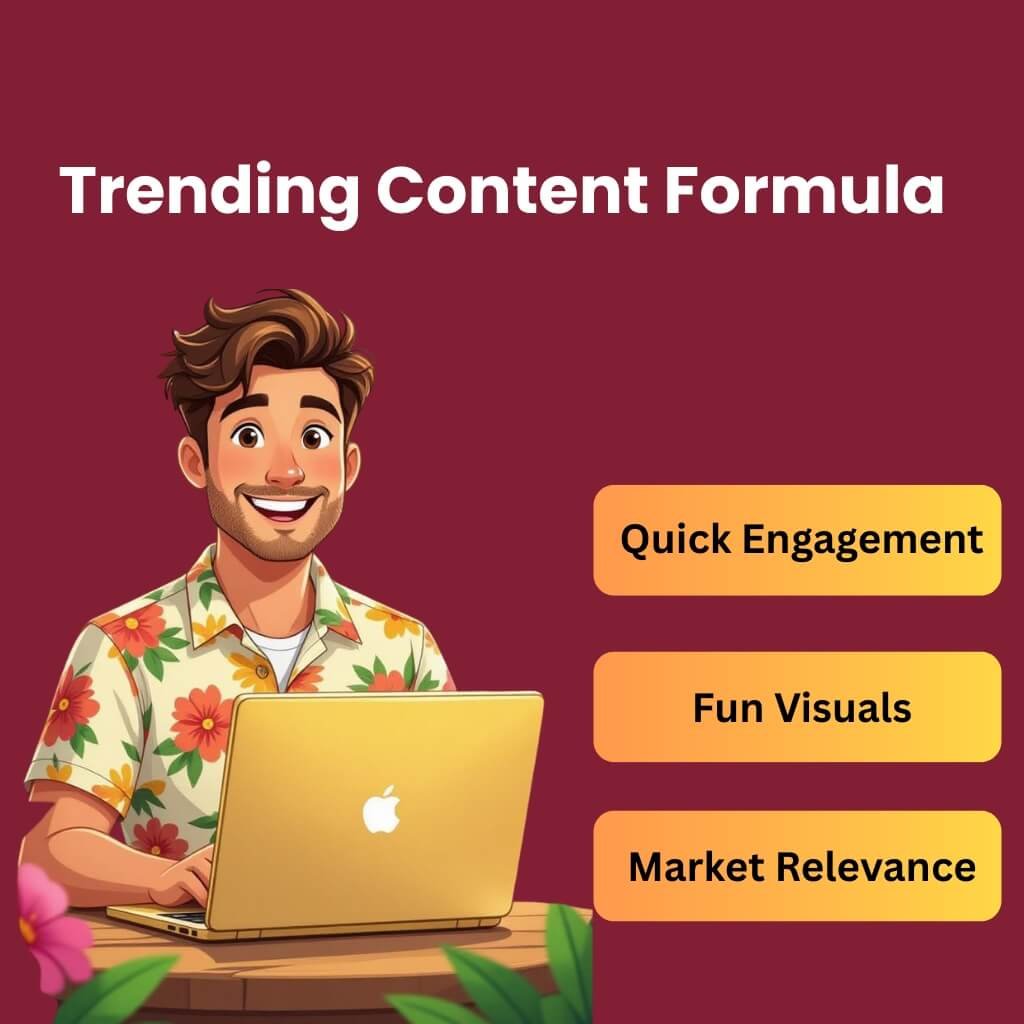
Social media is buzzing with new ways to increase sales. Your content must be quick, fun and relevant to the vast market. Here’s what’s working best right now!
1. Short-form Videos (Reels, Shorts, TikToks)
Short, sweet and to the point. These videos grab attention fast. They’re shareable, viral and perfect for showing products in action.
2. UGC (User-Generated Content)
Let your customers do the talking. UGC builds trust and boosts engagement. When people see others using your product, they feel more confident buying.
3. Carousels & Guides
Swipeable content. Great for step-by-step guides or showing different features of your product. Easy to digest, people love them.
4. Live Q&As & Product Walkthroughs
Go live. Answer questions. Show how your product works in real-time. It’s a direct connection to your audience and builds trust.
5. Relatable Memes & Trends
Join in on trends. Create memes that speak your brand’s voice. They’re fun, shareable and keep your brand relevant.
How Often Should You Post and When?
Posting regularly is like keeping your shop open; you want to stay visible. But don’t overdo it, or you’ll burn out. Let’s see the sweet spot:
Frequency by Platform
Post more often on TikTok (3-5 times a week). On Instagram and Facebook, 3-4 posts a week is perfect. For LinkedIn, keep it at 2-3. Quality > quantity.
Best Time to Post
Timing matters! Post mid-morning (9-11 AM) or early evening (6-8 PM) for most platforms. Peak hours vary, so keep an eye on your audience’s activity.
Scheduling Tools
Use tools like Buffer, Hootsuite, or Later to plan posts. They’re your content calendar in one click. Save time and keep it consistent!
What Tools Can Help You Run It All?
Running your social media without the right tools is like driving without a map. Let’s explain the essentials to keep you on track:
Meta Business Suite
Manage everything in one spot. Posts, ads, insights. It’s your social control centre.
Canva AI
Need visuals fast? Canva is your design sidekick. Use AI to create stunning posts in minutes, even if you’re not a pro.
ChatGPT for Copywriting
Writing posts that hit the mark is easy with ChatGPT. Think of it as your word wizard for catchy captions and engaging content.
Google Analytics 4, Meta Pixel
Track everything. These tools give you the numbers behind your strategy. These show what’s working and what’s not.
Link-in-bio Tools (Linktree, Beacons)
Consolidate all your important links in one place, like having a digital business card that’s always clickable.
How Do You Turn Followers Into Paying Customers?

Turning followers into paying customers is like turning curious window shoppers into loyal buyers. Let’s learn how real businesses are doing it:
1. Storytelling Content Funnels
Share stories that make people care. Build a path from curiosity to sale. It’s like leading them through a fun adventure that ends with a purchase.
Real Example: A personal injury law firm in Atlanta used social media to share client success stories and legal tips. This approach led to a 164% increase in assault cases and a 27% rise in motor vehicle cases. (consultwebs.com)
2. Lead Magnets + Email Opt-Ins
Offer something free, like an e-book or discount, in exchange for their email. Think of it as giving a sample to hook them in.
Real Example: A skincare brand offered a free e-book on skincare routines in exchange for email sign-ups. This strategy built a strong email list, leading to higher engagement and repeat purchases. (joybyte.com)
3. Product Tags, In-App Checkout
Tag your products in posts, so people can buy without leaving the app. It’s like giving them a shortcut straight to checkout.
Real Example: A fashion boutique tagged its products in Instagram posts, allowing followers to purchase directly through the app. This unified shopping experience uplifted sales and customer satisfaction. (busyseed.com)
4. DMs and Click-to-Chat Tools
Make it easy for customers to ask questions. Respond fast and you’re more likely to close the sale. It’s like having a personal shopping assistant in your DMs.
What Metrics Matter?
In digital marketing, specific metrics help you understand how well your content and ads perform. Let’s learn:
Reach vs. Impressions
Reach: The number of unique users who saw your content.
Impressions: The total number of times your content was displayed, including multiple views by the same user.
Understanding both helps gauge visibility and engagement.
Engagement Rate
Measures how much your audience interacts with your content (likes, comments, shares). A higher engagement rate indicates that your content resonates well with your audience.
Click-Through Rate (CTR)
The percentage of people who clicked on your ad or link after seeing it. A higher CTR means your ad is compelling and relevant to your audience.
Return on Ad Spend (ROAS)
Calculates the revenue earned for every dollar spent on advertising. A higher ROAS indicates effective ad spending. BigCommerce
Conversion Rate
The percentage of users who completed a desired action (like making a purchase) after clicking on your ad or link. A higher conversion rate suggests that your landing page and offer are effective.
Customer Lifetime Value (CLV)
Estimates the total revenue a business can expect from a customer over the entire duration of their relationship. Understanding CLV helps in making informed decisions about customer acquisition and retention strategies.
What Are the Benefits of Doing This Right?
Doing social media marketing right brings real rewards. Let’s explain how it pays off:
Viral Reach & Visibility
When your content goes viral, it spreads fast and wide. This means more eyes on your brand and more chances to connect with new customers.
Increased Brand Trust
People trust brands that are authentic and consistent. Sharing real stories and engaging with your audience builds credibility and loyalty. Wikipedia
Direct Sales & Leads
Effective marketing leads to more sales. You turn interest into action by guiding your audience through a clear journey. Wikipedia
Community Engagement
Engaging with your audience creates a community around your brand. This fosters loyalty and encourages word-of-mouth promotion.
Passive Growth Over Time
Consistent, quality content leads to steady growth. Over time, this builds a strong, sustainable presence.
What Are the Common Mistakes to Avoid?
Even the best brands stumble. Let’s explain five mistakes to watch out for:
1. Posting Without Intent
Sharing random content is like throwing spaghetti at the wall. Without a clear goal, your posts may miss the mark.
2. Ignoring Comments and DMs
Neglecting interactions is like ignoring customers in your store. Engaging with your audience builds trust and loyalty.
3. Not Analyzing Data
Skipping analytics is like driving blindfolded. Data reveals what’s working and what’s not, guiding your strategy.American Marketing Association
4. Copy-Pasting Competitors
Mimicking others is like wearing someone else’s clothes. Your unique voice sets you apart.
5. Focusing Only on Followers
Chasing numbers is like counting empty seats. Engagement and conversions matter more than follower count.
How Do You Keep Up With Trends and Algorithms?
You must Stay updated with digital marketing trends and social media algorithms. Let’s learn the process:
1. Follow Trend Dashboards
Use tools like Emplifi and Sprout Social to monitor real-time mentions, trending topics and audience sentiment. These platforms help you stay informed about industry shifts and competitor activities.
2. Implement a Weekly Testing Strategy
Regularly test different content formats, posting times and engagement tactics. This approach allows you to identify what resonates best with your audience and adapt accordingly.
3. Engage with Creator Communities and Newsletters
Join communities on platforms like Reddit and LinkedIn to exchange insights with peers. Subscribe to newsletters from sources like HubSpot and Moz for curated updates on the latest trends and best practices. Reddit
4. Experiment with Content Types
Diversify your content strategy by incorporating formats like short-form videos, carousels and interactive polls. Platforms like Instagram and TikTok favor diverse content, enhancing engagement and reach.
How Much Should Small Businesses Spend on Social Media in Marketing
Small businesses typically allocate between $500 and $5,000 monthly for social media marketing. Still, it depends on their goals, industry and resources. Let’s explain:
1. Social Media Management
Freelancers: $1,000 – $10,000/month, depending on experience and services offered.
Agencies: $500 – $5,000/month, varying by service scope and business size.
In-house Teams: Salaries for social media managers average around $4,700/month.
2. Social Media Advertising
Ad Spend: $850 – $2,000/month, depending on platform and campaign objectives.
Ad Management Fees: 10% – 20% of ad spend, covering strategy, design and optimization. WebFX
3. Content Creation
Influencer Collaborations:
Nano-influencers: $40 – $150/post.
Micro-influencers: $80 – $350/post.
Mid-tier Influencers: $350+/post.
Video Production: Costs vary widely based on quality and complexity.
4. Social Media Management Tools
Basic Tools: $10 – $40/month (e.g., Zoho Social).
Advanced Tools: $800 – $3,600/month (e.g., HubSpot).
Conclusion
Imagine this: your social media is buzzing. Your posts get noticed, followers engage and sales climb. It’s not magic—it’s strategy.
Still, keep showing up, keep learning and soon, your community isn’t just following—you’re building a loyal fan base.
The world’s waiting for your brand to shine. Get started, keep pushing and watch your success bloom.
FAQ
How will AI-created content affect social media marketing in 2026?
AI tools will help generate captions, graphics and video ideas faster. Brands can maintain consistency and experiment with formats, but authentic human touches will still drive engagement.
Will virtual and augmented reality play a role in social selling?
Yes. AR filters, virtual try-ons and immersive shopping experiences will make product discovery interactive, boosting engagement and conversions on platforms like Instagram and TikTok.
Are ephemeral posts still effective in 2026?
Yes. Stories and disappearing content create urgency and excitement. They encourage users to engage immediately, making them ideal for limited-time offers or behind-the-scenes glimpses.
How important will social audio spaces be for businesses?
Audio chat rooms and live discussions (like X Spaces or LinkedIn audio events) will help businesses build authority, host Q&As and create communities without relying on visual content.
What role will AI-driven audience segmentation play?
Advanced AI will group audiences by behavior, interest and intent. This allows businesses to send hyper-relevant posts, improving engagement and purchase likelihood.
Will niche platforms gain importance in 2026?
Yes. Smaller, specialized platforms will attract highly targeted users. For example, platforms focused on wellness, gaming, or sustainability will allow brands to connect with engaged, like-minded audiences.
How will social media SEO change in 2026?
Optimizing for search within platforms will matter more. Using hashtags, keywords in captions and content structured for AI recommendations will increase discoverability and reach.
Is micro-content going to replace long posts?
Not entirely, but short, snackable content like 15–30 second videos, mini-guides and interactive polls will dominate feeds. Long posts will serve as deep-dive content for loyal followers.
How will cross-platform integration evolve?
Platforms will connect more seamlessly. Brands will manage campaigns across multiple apps, track unified metrics and allow users to move between platforms for shopping, chat and engagement.
What emerging tech will shape engagement trends?
AI avatars, interactive video overlays, and predictive content suggestions will drive engagement. Users will interact with content in ways similar to gaming, creating more immersive brand experiences.

Aliza Khatun is a Digital Marketing Professional and the founder of DigiGenHub. She has helped various businesses grow their online presence through real-world experience in marketing, branding, traffic growth, and business strategy.
Through DigiGenHub, she shows how to build and grow a business from the ground up using Website Setup, SEO, Branding, Paid Promotion, and smart digital tools.
She also highlights how AI can be used to its full potential to make content creation, automation, marketing, and business growth faster and smarter.
She believes that the right knowledge, modern technology, and the right tools can help any individual or business build a stronger online presence.