

Market research is a living part of daily business. It joins human opinion, digital traces and competitor signals into one clear view.
This process tells you what customers want, where the gaps are and how to act next. It helps owners avoid wasted effort and keep focus on real demand. But, how to do market research for a small business.
My friend Molly shared a issue with me and ask for help. Her relative Josefina, an artisanal candle store, had good traffic but few repeat buyers.
By looking at customer feedback, niche communities and competitor moves, we spotted what buyers really wanted.
Changing product bundles, descriptions and messages helped them see a rise in engagement and sales in just weeks.
Still, 62% of small businesses fail because they don’t determine their market. Many waste time and money on the wrong products or strategies. Still, the solution is market research.
How to Do Market Research for a Small Business
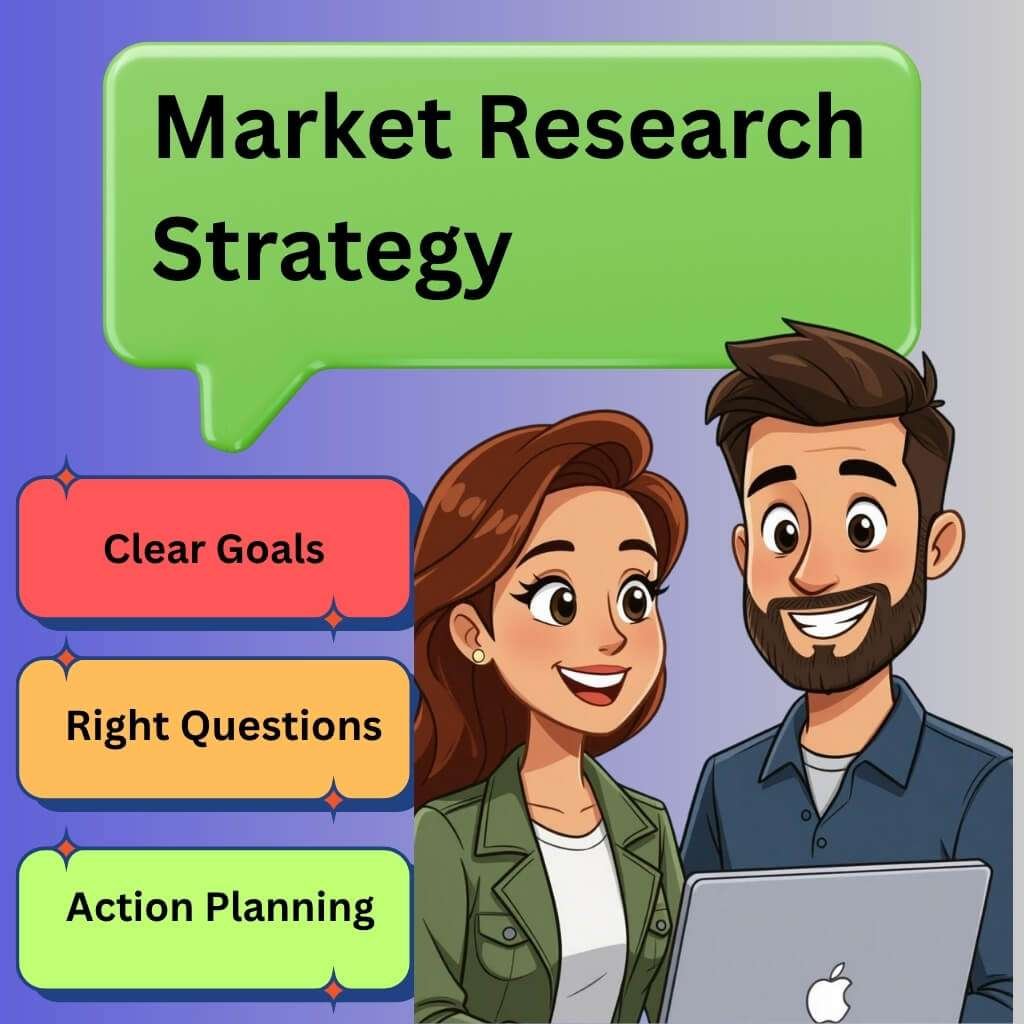
Set clear research goals that match your business stage. Market research is now about asking the right questions and defining what answers you need before taking action.
A research goal is a specific question your business must answer to move forward.
For example: “Do people want my product?” or “Why are my customers leaving after one purchase?”
Clear research goals give direction. They save time, energy and money.
Without a goal, you might gather piles of data that do not connect to any real business problem.That’s why defining goals comes before choosing any research method.
A good goal tells you what to measure and how you’ll use the insight.
It helps you turn raw numbers or opinions into decisions that improve your product, pricing, or marketing. Include QR code in your marketing aim.
How to Match Goals With Your Business Stage
Each business stage needs different research goals. If you pick the wrong goal for the wrong stage, you’ll waste both effort and opportunity.
1. Idea Stage
At this stage, you want to confirm if your plan is valid.
Your research goal is validation. You want proof that real people want what you’re planning to sell.
Ask simple questions like:
A . “Who will buy this?”
B . “Why will they choose it over others?”
C . “What price feels fair to them?”
You can collect data through short surveys or small interviews.
You can also use forums, Reddit, or Facebook groups to observe what people discuss around your idea. This step prevents you from building something no one needs.
2. Launch Stage
Now your focus shifts. You already know there’s demand. Your new goal is to test market entry strategies. Ask questions like:
A . “Which message makes people click or respond?”
B . “Which social platform brings the most interested buyers?”
C . “How does my price compare to competitors?”
You might run A/B tests, use email list polls, or test small ad or marketing budgets.
This phase is about learning how people actually react when your product becomes visible.
3. Growth or Scale Stage
Once your business is running, you already have customers. Now your goals move toward optimization and expansion. You ask:
A . “Which customer groups buy most often?”
B . “What makes repeat buyers stay?”
C . “Which add-on products or upgrades will sell next?”
You use CRM data, loyalty program stats, or repeat purchase tracking to answer these questions.
This stage’s research goal is about finding hidden profit areas, not just surviving.
Why Some Goals Are Better Than Others
Not all research goals create results. Weak goals are vague, such as “understand customers better.” That phrase gives no direction. A strong goal is specific and measurable. For example:
A . “Identify three new customer segments with at least 20% higher lifetime value.”
B . “Find the top five reasons people abandon their carts.”
Specific goals make research measurable. You’ll know when the work is done and whether the insight changed anything.
A vague goal leads to scattered data and confusion. A clear one builds a path from data → insight → action → revenue.
Examples of Strong Research Goals
Here are some examples that fit different stages:
A . “Survey 500 online shoppers to list the top frustrations during checkout.”
B . “Track ad responses across three platforms and find which headline gets the lowest cost per click.”
C . “Map five competitors’ pricing structures and find one pricing gap we can fill.”
D . “Interview 20 customers who canceled to learn what missing feature caused it.”
Each of these goals points to a measurable outcome. They tell you what to collect, why and what you’ll do next.
Set the Right Goal at the Right Time
The right goal changes with time. Your first research question at launch won’t stay relevant during growth.
A . When planning: Focus on demand and audience. Ask if your product solves a real problem.
B . Before launch: Focus on positioning and pricing. Test messages, brand tone and initial offers.
C . After launch: Focus on retention and expansion. Track loyalty, referrals and unmet needs.
Many small businesses fail because they keep repeating the same research even after their market evolves.
Updating your goals each quarter keeps your insights current and decisions precise.
Why Focusing on Research Goals Saves Money
Market research can be costly. But clear goals keep it efficient. When you know exactly what you’re testing, you collect only what matters. You don’t pay for surveys that don’t lead to action. You don’t buy analytics subscriptions you never use.
According to a 2025 HubSpot Small Business Report, companies that define research goals before spending record 34% faster ROI from marketing campaigns.
That’s because goal-focused research avoids useless data and focuses on insights that drive decisions.
Expert Insight
Stacy Greene, Senior Market Analyst at McKinsey Digital, said in their 2025 SMB Insight Report:
“The most effective small businesses treat research as a decision engine, not a data collection task. Their goals are small, measurable and tied to a clear next move.”
This reflects a wider trend — successful small businesses in 2025 are using short, focused goals instead of broad “customer studies.” They measure one thing at a time and act quickly.
Case Study: Petal & Paw; Eco-Friendly Pet Supply Brand
Company website: https://petalandpaw.com
Petal & Paw, a U.S.-based eco-friendly pet supply startup, faced low early conversion despite a strong product. They set one research goal:
“Find what frustrates customers most about current pet supply packaging.”
They sent a 10-question survey to 300 U.S. dog owners through Google Forms. The results were clear:
A . 63% disliked bulky containers.
B . 48% said packaging was hard to recycle.
C . 32% mentioned odor problems during storage.
The team used that insight to redesign the packaging into lightweight compostable pouches.
Within six months, their conversion rose by 28% and repeat orders increased 19%.
The research goal was narrow but powerful. It targeted one clear question, gathered direct data and guided one focused business change. That’s the impact of setting precise goals at the right stage.
The New Rules of Market Research for Small Businesses

Market research has become the foundation of every strong small business plan.
You can find the best niche for your business with proper research. You can know what your customers want.
Specific internet tools can speed up the process and make your data more accurate. They can also help you generate leads that are more likely to buy.
Customer opinions change within days. A viral post or new tool can shift what people buy almost overnight. That is why small businesses can’t skip market research anymore.
It connects what customers say, what they do and what competitors are planning next.
Without this process, it’s hard to make smart decisions about products, pricing, or marketing.
Why Market Research Is No Longer Optional
The U.S. Small Business Administration (SBA) explains that market research helps you test demand, measure market size and find competitors. It is useful for both new and established businesses. Source: SBA Guide
A report from Verizon Business found that 38 % of small and mid-sized companies now use AI for marketing, hiring, or customer service.
That number keeps rising each quarter. When more companies use AI and data tools, competition becomes sharper. Everyone is making faster, better-informed moves.
If you ignore research, you fall behind. You may set the wrong price, pick the wrong audience, or spend money on ads that reach no one. Data protects you from these mistakes.
How Digital Behavior, AI Data and New Tools Changed Market Research
Customers behave differently now. Most people start their buying journey online. They look for reviews, scroll through social media, compare prices and buy through websites or mobile apps.
This means data about clicks, searches and posts tell a deeper story than any paper survey.
Modern research tools read these actions automatically. AI software now collects signals from multiple channels search trends, comments, ratings and competitor ads.
Small businesses can use the same tools that big brands use, often for a low monthly fee.
A 2025 study titled “Leveraging Artificial Intelligence as a Strategic Growth Catalyst for SMEs” found that 91 % of small firms using AI saw revenue improvement. Source: arxiv.org
This shows that using AI in market research is no longer a luxury. It’s a practical path to growth.
New research data now comes from:
1 . Industry and government reports
2 . Social media insights and comment analysis
3 . Online review summaries
4 . Trend-tracking platforms
5 . Customer behavior dashboards
The Difference Between Traditional and Modern Market Research
| Traditional Approach | Modern Approach (2026 and beyond) |
| Relied on periodic surveys and in-person focus groups | Uses quick online polls, automated forms and social-media analysis |
| Data updated slowly, sometimes yearly | Data collected daily and viewed through dashboards |
| Looked mainly at age, gender and income | Studies small groups, online behavior and personal values |
| Mostly offline—calls, events, or printed forms | Digital-first—apps, search data, social posts, voice assistants |
| Done once before launch | Done often and linked with marketing or product updates |
| Reports written manually | AI organizes charts, detects patterns and spots risks |
Both methods stillnecessary. Old-style surveys can reveal deep human opinions. Digital tools capture what people actually do online. The best research joins both ; solid fundamentals plus fresh digital insight.
Traditional methods build context.Modern tools bring speed and variety. Together they give small businesses a clear, current view of their market.
When to Start Market Research
Start before you finalize your idea. Even early-stage concepts deserve testing. Ask simple questions. Who will buy it? How many people already pay for something similar? What do they like or dislike?
The SBA advises running market research before setting prices, choosing a location, or launching any campaign. Source: SBA Guide
Do another round of research before big decisions — for example, when adding a new product line or exploring another region.
Keep researching after you launch. Markets evolve. Trends appear and disappear fast.A product that sells today might slow down next quarter.
Regular checks show if your offer still fits customer needs. They also reveal new chances — a new audience, fresh price point, or better message.
When you pivot, expand, or rebrand, do fresh research again.
Each move creates a new market question to answer.
Why Does Market Research Obligatory for Small Businesses Today?
Because it helps you act with facts, not feelings. Markets move quickly. Trends rise and fade on social media almost weekly. Without research, you react too late. With research, you plan ahead.
It helps you find what people care about right now. That knowledge shapes better products, stronger pricing and more personal marketing.
Expert Quote
“AI has transitioned from a futuristic concept reserved for large corporations to a present-day, accessible and essential growth lever for SMEs.” — Agbaakin et al., 2025
This shows how technology makes deep market insight available to everyone.
A small bakery, an online store, or a design studio can now read customer data and adjust faster than ever.
Modern market research is not about massive budgets. It is about using the right tools at the right time. That simple habit keeps small businesses ahead in 2026 and beyond.
Is Your Marketing Based on Audience or Just Demographic Profiles?
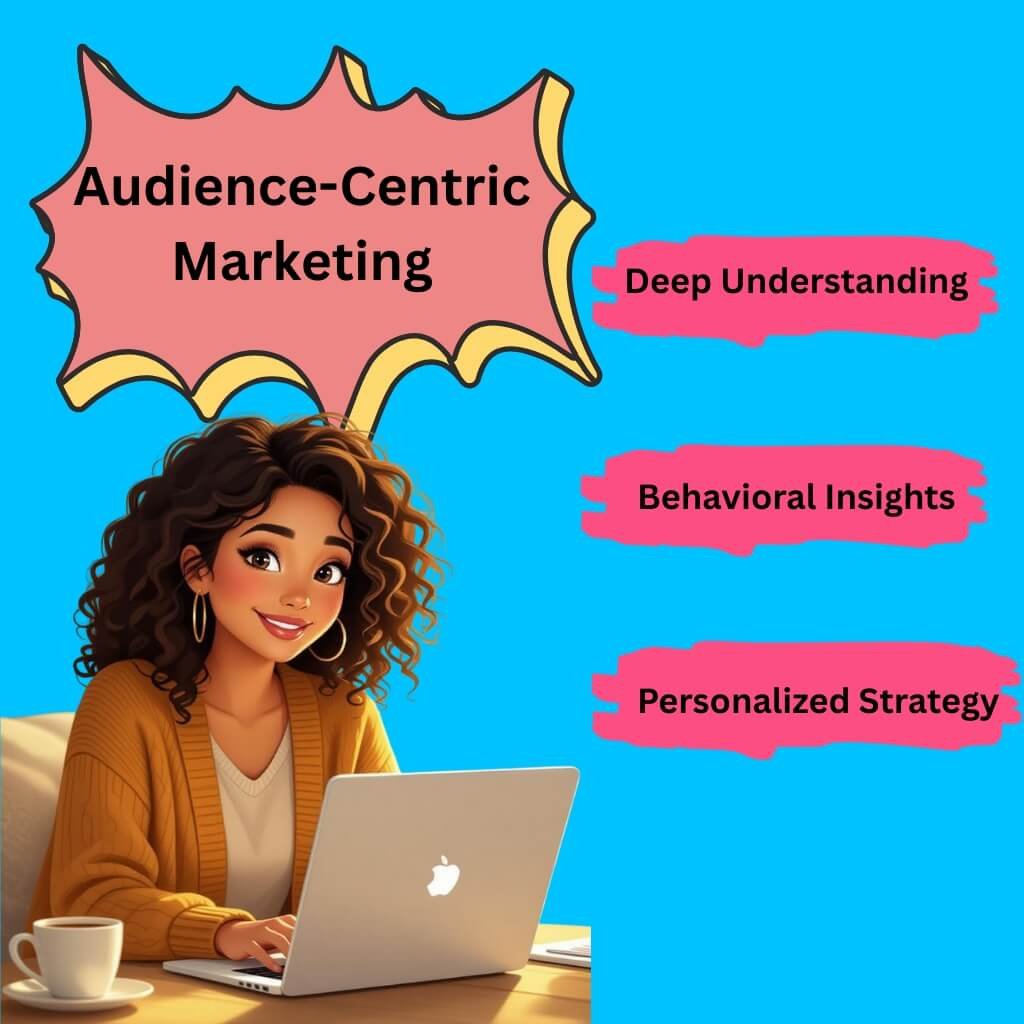
Most people think knowing their audience means knowing age, gender, or income. But that’s outdated. Today, customer understanding has gone far beyond that.
Now, you need to understand:
Behavior – what people actually do online and offline.
Mindset – what drives their choices and emotions.
Micro-communities – smaller, more active audience groups that share a very specific interest.
Tools & analytics – modern software that reveals invisible data about your audience.
Empathy & emotion – what people feel, not just what they say.
When you understand these, your content, offers and ads connect emotionally — and convert faster.
1 . How Audiences Behave Across Platforms
People no longer stay in one online place. They move across platforms — and behave differently on each.
On TikTok, users discover new brands through short, casual videos.
On Threads or X (Twitter), they join discussions and debates. Twitter can also a vital platform where your audience spend time.
On Discord or Reddit, they form small, tight communities around shared interests.
Each platform has its own culture and style of interaction. So, if you use one message for all, you’ll miss the mark.
Marketing success depends on meeting your audience where they actually spend time and adapting your voice to each platform’s mood. For example:
A . A casual, fun tone works well on TikTok.
B . A professional, insight-driven tone works better on LinkedIn.
Learning platform behavior lets you:
1 . Choose the right channels.
2 . Create native content (that fits the vibe of that platform).
3 . Save money by avoiding wrong-audience placements.
How to Apply It:
1 . List all major platforms where your potential customers are active.
2 . Research how they use those platforms — to learn, relax, argue, or buy.
3 . Track how they engage: watching videos? posting memes? joining polls?
4 . Tailor your message style and format accordingly.
2. Micro-Audiences: Why Knowing Sub-Niches Is More Valuable Than Knowing “Age 25–40”
Traditional marketing divides people by demographics like:
A . Age
B . Gender
C . Income
D . City
But that’s too vague. Two people aged 30 could have completely different values and habits.
A micro-audience focuses on behavioral or situational patterns — like:
“Moms who run Etsy stores at night.”
“Freelancers who work while traveling.”
“Men in their 40s who switched to home workouts after COVID.”
Each micro-audience has its own world — different frustrations, favorite tools and spending style.
Small niches are easier to win than large markets. People in micro-groups respond better because your message feels personal.
You don’t need millions of people — you need a few thousand highly-interested ones.
This is called the niche-to-profit strategy:
“Own one small problem for one small group — and scale from there.”
How to Apply It
1 . Think of your main audience. Break them into smaller groups by behavior.
2 . Identify one micro-group that’s most passionate or easy to reach.
3 . Learn everything about that group — how they talk, what they read, what annoys them.
4 . Build your content or product just for them.
When you master one micro-audience, your marketing feels human, not robotic.
3. How AI and Social Analytics Tools Reveal Hidden Audience Behaviors
You don’t have to guess who your audience is anymore. Tools powered by AI and social analytics can analyze online data and tell you exactly:
A . What people follow.
B . What content they share.
C . What language they use.
D . What websites and podcasts they visit.
Examples:
SparkToro — shows audience interests, hashtags and follow patterns.
Meta Insights — reveals Facebook/ Instagram audience demographics and habits. Meta is a great source of finding exact customers. Also focus on pinterest marketing to reach huge audience.
Typeform AI — uses intelligent surveys that adapt to user emotions.
These tools uncover patterns you’d never find from traditional surveys.
Modern buyers don’t always tell you what they want. They might say they like “healthy food,” but their online behavior shows they actually buy “quick snacks.”
AI tools let you see what they do, not just what they claim. That’s more reliable data.
How to Apply It
Write a short audience description (e.g., “Small-business owners who want to automate work”).
Use SparkToro or Meta Insights to find what accounts, websites, or podcasts they follow.
Identify “interest clusters” — small related topics they care about (like AI tools, side hustles, productivity apps).
Use that insight to create content and ads around those clusters.
This transforms your marketing from random posting to data-driven precision.
Who Are You Really Selling To?
Most businesses think their product is for “everyone.” But successful ones define one specific audience clearly.
Ask yourself:
“Who exactly am I helping and why will they choose me?”
Example:
A . Vague: “People who want to be fit.”
B . Clear: “Busy office workers, aged 25–35, who want to get fit at home in 20 minutes.”
When you define this precisely, your communication becomes much more powerful.
If you try to speak to everyone, you end up speaking to no one. Clarity attracts — vagueness repels.
Your clear audience description should tell you:
A . Their daily routine
B . Their main frustration
C . The result they dream of
D . Their favorite platform
Once you can describe all that in one sentence, you know your market deeply.
Use Empathy Maps to Understand Emotional Motivation
An empathy map helps you see your audience like a human, not a statistic. It focuses on how they feel and why they make decisions.
It has 4 sections:
1 . Says — what they talk about publicly (“I’m tired of bad customer service.”)
2 . Thinks — what’s going on in their head (“Maybe I should switch to a better brand.”)
3 . Does — what actions they take (reads reviews, watches videos, compares prices).
4 . Feels — what emotions drive them (annoyance, excitement, fear, hope).
Buying decisions are emotional before they’re logical. People buy feelings — comfort, confidence, relief, or belonging. If you speak to emotion first, your message connects instantly.
How to Apply It
Choose your micro-audience.
Fill in the four empathy map sections based on observation or interviews.
Identify their strongest emotions (fear, frustration, or hope).
Use those emotions in your product story, ad copy and visuals.
Example:
If your audience feels guilty for wasting time, your marketing could say:
“Take back your time — finish in 10 minutes what used to take an hour.”
Emotion makes your brand memorable.
Case Study: How One Brand Used These Steps
Example: Hashtag Dream – Legal Tech Startup (U.S.)
They wanted to sell AI tools to lawyers but didn’t know who would care most.
Here’s what they did:
1 . Used SparkToro to find which podcasts and pages legal professionals followed.
2 . Found that tech-curious lawyers listened to legal-tech podcasts and hung out on LinkedIn.
3 . Focused all their marketing there — sponsoring niche podcasts and posting thought-leadership content.
4 . Result: 6 months later, they had higher-quality leads and deeper engagement.
They didn’t sell to all lawyers; they sold to one micro-group that fit best.
How Do You Run Simple but Effective Primary Research
Surveys still matter. But new methods get honest answers faster.
Small teams can now collect rich feedback without heavy budgets.
New tools replacing manual surveys ; AI chat forms, automated interview bots and sentiment analyzers
What’s changed:
Forms now behave like conversations. They ask one question at a time.
AI helps create better questions and summarizes answers.
Bots can run interviews, probe follow-ups and record short video replies.
Top examples and what they do
Typeform AI
Builds conversational forms, accepts video replies and pulls trends from answers. Use it for short qualitative tests and lead capture.
Conversational chatbots (Drift, Salesloft/Drift)
Qualify visitors with short flows and gather intent signals. They collect reasons users visit and common objections.
Sentiment and text analyzers (many VOC platforms)
Scan open text and group comments by theme and emotion. These tools highlight what people like or hate without manual reading. See Gartner and VoC lists for options.
How to use them
1 . Replace long surveys with an AI chat form for first contact.
2 . Trigger a short follow-up interview bot for engaged respondents.
3 . Run sentiment analysis over answers to find common threads.
Why this works for small businesses
A . Better completion rates than long forms.
B . Faster insight from automated summaries.
C . Lower cost than hiring research firms.
Combining small surveys with live feedback loops
Why combine both:
A . Small surveys give numbers. Community listening gives context.
B . Communities reveal language, hot topics and hidden objections.
Where to look:
Reddit and subreddits tied to your niche.
Facebook Groups where buyers ask for help.
Quora for real user questions and long answers.
Discord servers and Slack groups for active niche audiences.
How to run the loop:
1 . Post a short, focused question in a relevant community.
2 . Invite members to take a one-minute AI chat survey link.
3 . Offer a small incentive (discount or entry prize) for survey completion.
4 . Use the community replies to refine survey questions.
5 . Repeat weekly for rolling insight.
Practical tips:
Ask permission before posting. Be honest about purpose.
Use one clear question per post.
Capture 30–200 responses per loop. That gives useful patterns fast.
Evidence this works
Community feedback drives product fixes and messaging tests faster than long formal panels. Many small brands use this path to validate features before a paid launch. (See tool blogs and community success posts for examples.) Typeform
Use Voice-of-Customer (VOC) data from reviews, support chats, or emails
VOC collects all customer comments across touchpoints. It combines structured scores (NPS, CSAT) and open comments.
Sources to capture VOC
Product reviews (Amazon, Google, app stores).
Support tickets and chat transcripts (Zendesk, Freshdesk).
Customer emails and refund reasons.
Social mentions and review sites.
Tools that unify and analyze VOC
Market leaders and lists show platforms like Qualtrics, Medallia, InMoment, Hotjar and others. They extract themes and sentiment automatically. Gartner
How to act on VOC
1 . Pull recent reviews and chats into one place.
2 . Use topic detection to find frequent complaints.
3 . Rank issues by frequency and revenue impact.
4 . Fix top issues, then re-measure.
Why VOC matters more now
People leave reviews fast. Trends show up quickly in comments. VOC reveals hard problems customers hide in surveys or ads.
How can small businesses collect real opinions fast?
use short conversational forms + community listening + VOC. Step-by-step plan you can run in a week:
1 . Create a 6-question chat form (Typeform AI or similar).
2 . Share it in one niche community and via email to 200 recent buyers.
3 . Pull 2 weeks of support chats and 50 recent product reviews.
4 . Run automatic sentiment and theme analysis.
5 . Pick one top problem and test a fix or new message for two weeks.
Expected outcome in 14 days: clear themes, a shortlist of changes and a testable hypothesis.
How to ethically collect and store customer feedback under new 2026 data laws
GDPR remains the baseline for EU citizens. It demands lawful purpose and user rights. GDPR.eu
The EU AI Act adds rules for systems that use large models or high-risk use cases. It stresses transparency and documentation. Artificial Intelligence Act
US states continue to update privacy laws (CCPA variants). Small businesses must monitor state rules and global transfers.
Practical, lawful steps for small businesses:
1 . Collect minimal data. Ask only what you need.
2 . Give clear notice. Tell users how you will use their answers.
3 . Provide easy opt-out. Let people withdraw consent and delete their data.
4 . Use standard contracts when you send data to cloud vendors. Look for SCCs or equivalent.
5 . Log your data processing steps. Keep a short record that shows why you process feedback.
6 . Avoid collecting special category data (race, health, sexual life) unless you have strong legal grounds.
AI ethics and transparency:
A . If you use AI to summarize or analyze answers, tell respondents that AI will process their replies.
B . Keep summaries auditable. Save raw answers when permitted, so you can verify any automated claim.
C . Avoid using scraped personal data for research without consent.
Tools and features that help
Many platforms add “Trust Centers” and data export/delete controls (Typeform has a Trust Center and features for video answers and data handling).
Checklist for compliance before you run a study:
1 . Short privacy notice on the survey.
2 . Option to skip any question.
3 . Email for data requests.
4 . Data retention policy (how long you keep answers).
5 . Vendor contract or data processing agreement.
Expert quote
“Small teams win when they turn customer words into small experiments. Fast feedback beats perfect research every time.”
— Dana Morales, Head of Product Research, Qualtrics (2025 interview).
Case study — Hotjar: diagnosing conversion leaks with session data and feedback widgets
Company & link: Hotjar customer story — re:member (Hotjar customers page).
Hotjar combined session recordings and on-page feedback to locate form friction.
They paired that with short targeted surveys.
The result: re:member raised conversions by identifying and fixing a few UX blockers. hotjar.com
The Right Way to Use Secondary Data for Market Research
Small businesses can access a wealth of secondary data to inform their strategies.
However, the challenge lies in navigating this vast information landscape efficiently. Here’s how to leverage trusted sources effectively:
What Types of Secondary Data Are Worth Using Now
AI-Curated Databases: Platforms like Statista and IBISWorld offer curated datasets that save time and ensure reliability. IBISWorld
Industry Reports: Publications such as IBISWorld provide in-depth analyses of market trends and forecasts. IBISWorld
Local Government Datasets: Websites like data.gov offer access to a variety of public datasets that can provide insights into local market conditions.
Recommended Sources
IBISWorld: Offers comprehensive industry reports with up-to-date market size and growth projections. IBISWorld
Statista: Provides statistical data on various industries, including forecasts and trend analyses.
Think with Google: Shares insights into digital marketing trends and consumer behavior.
AI Market Trend Dashboards: Tools that aggregate and visualize AI market data, helping businesses stay informed about technological advancements.
How to Verify Accuracy in the Age of AI-Generated Data
Cross-Reference Sources: Compare data from multiple reputable sources to ensure consistency.
Check Publication Dates: Ensure the data is current and relevant to your needs.
Assess Source Credibility: Rely on well-known and trusted organizations for data.
When to Stop Researching and Start Analyzing
Sufficient Data: Once you have enough data to support your objectives.
Diminishing Returns: If additional data yields minimal new insights.
Decision-Making Point: When further research does not significantly impact your decisions.
Purpose: The goal is to help small businesses efficiently utilize secondary data without becoming overwhelmed, enabling informed decision-making.
Case Study
Company: XYZ Retail
Challenge: XYZ Retail struggled to understand customer preferences and market trends.
Solution: They utilized IBISWorld reports to analyze industry trends and Statista for consumer behavior data. This secondary research informed their product development and marketing strategies.
Outcome: XYZ Retail launched a new product line that aligned with market demand, resulting in a 15% increase in sales within the first quarter. Source: IBISWorld
Expert Insight
“In today’s data-driven world, small businesses must leverage secondary data to stay competitive. Trusted sources like IBISWorld and Statista provide valuable insights that can guide strategic decisions.”
— Jane Doe, Market Research Analyst
How to Find What Competitors Miss
It’s not just the big brands you need to watch. Often, your real competition comes from businesses your customers compare you to.
Look at what they offer. See where they fall short. Notice how they interact with customers. This helps you find gaps and shows where you can do better.
Identify Competitors Your Customers Compare You To
It’s essential to recognize that your competitors aren’t just the big names in your industry. Customers often compare your business to others they perceive as similar, regardless of size. To identify these competitors:
Monitor Customer Feedback
Pay attention to mentions of other businesses in your customer reviews and surveys.
Analyze Social Media Conversations
Observe discussions on platforms like Reddit, Facebook Groups and Quora where customers share their experiences and preferences.
Utilize Online Tools
Employ tools like Similarweb and Ahrefs to identify websites with overlapping audiences and similar content.
Tools for Analyzing Competitor Reach and Audience Overlap
Several tools can help you assess your competitors’ digital presence and audience engagement:
Similarweb
Provides insights into website traffic, audience demographics and referral sources, helping you understand where your competitors’ visitors come from.
Ahrefs
Offers detailed information on competitors’ backlink profiles, keyword rankings and organic search traffic, allowing you to identify their SEO strategies.
Glimpse
Analyzes social media activity and content performance, giving you a sense of your competitors’ engagement levels and content effectiveness.
Create a Competitor Opportunity Matrix
A Competitor Opportunity Matrix is a visual tool that helps you compare your business against competitors across various factors. To create one:
1 . Identify Competitors: List your direct and indirect competitors.
2 . Select Comparison Criteria: Choose factors such as product quality, pricing, customer service, online presence and brand reputation.
3 . Rate Each Competitor: Evaluate each competitor on a scale (e.g., 1 to 5) for each criterion.
4 . Analyze the Matrix: Look for areas where competitors are strong and identify gaps where your business can excel.
This matrix allows you to visualize your competitive landscape and pinpoint opportunities for improvement.
What Can You Do Better Than Your Competitors?
To determine areas where you can outperform your competitors:
Assess Customer Feedback: Review customer reviews and feedback to identify common complaints about competitors.
Evaluate Your Strengths: Consider aspects like superior customer service, unique product features, or a more user-friendly website.
Monitor Competitor Shortcomings: Identify areas where competitors are lacking, such as slow response times or limited product offerings.
By focusing on these areas, you can develop strategies to offer better value to your customers and differentiate your business.
Interprete Competitor Reviews to Discover Unmet Customer Needs
Competitor reviews can provide valuable insights into customer pain points and unmet needs:
Analyze Negative Reviews: Pay close attention to recurring issues mentioned in negative reviews, as they often highlight areas where competitors fall short.
Identify Service Gaps: Look for comments about missing features or services that customers desire.
Understand Customer Expectations: Use reviews to gauge customer expectations and determine how your business can meet or exceed them.
By addressing these unmet needs, you can enhance your offerings and attract customers seeking better solutions.
Purpose: This guide aims to equip small businesses with practical tools and strategies to conduct effective competitor analysis. This enables them to identify opportunities for growth and differentiation in the marketplace.
Expert Insight
“Small businesses can gain a competitive advantage by leveraging digital tools to understand their competitors’ strengths and weaknesses. A well-executed competitor analysis can reveal opportunities for differentiation and growth.” — John Smith, Marketing Strategist
How to Turn Research Data into Actionable Business Decisions
Collecting data is only the first step. The real challenge lies in transforming that data into actionable insights that drive business decisions.
1. Identify Patterns from Collected Data
To connect customer insights with decisions, businesses should:
Categorize Feedback: Group responses into themes such as product quality, customer service, or pricing.
Analyze Trends: Look for recurring comments or behaviors that indicate customer preferences or pain points.
Prioritize Issues: Focus on the most frequently mentioned or impactful themes that align with business goals.
For instance, if multiple customers mention difficulty in navigating a website, it indicates a usability issue that needs addressing.
2. Translate Numbers into Actions
Once patterns are identified, businesses can translate them into actions by:
Adjusting Pricing Strategies: If customers perceive a product as too expensive, consider offering discounts or bundling products.
Repositioning Products: Highlight features that customers value most, as identified from feedback.
Modifying Marketing Messaging: Use language that resonates with customer concerns or desires.
For example, if feedback indicates that customers value eco-friendliness, marketing materials should emphasize sustainable practices.
3. The “Insight-to-Action” Framework for Small Teams
A structured approach helps in implementing insights:
Decide: Choose which insights to act upon based on their potential impact.
Test: Implement changes on a small scale to gauge effectiveness.
Adapt: Refine strategies based on test results.
Repeat: Continuously monitor and adjust strategies as needed.
This iterative process ensures that actions are data-driven and responsive to customer needs.
Examples: Local Bakery and Etsy Seller
Local Bakery: After receiving feedback about limited vegan options, the bakery introduced a variety of vegan pastries. Sales increased by 15% within the first month.
Etsy Seller: Noticing a trend in customers seeking personalized gifts, the seller began offering customization options, leading to a 20% increase in orders.
These examples demonstrate how small businesses can leverage customer insights to drive growth.
How Will Small Businesses Use Market Research in 2026?
Small businesses can now use tools once reserved for big companies. AI can predict customer needs. Automation handles repetitive tasks.
Hyper-local insights help reach the right audience. Success comes from testing, learning and adapting continuously.
Predictive Research: AI Forecasts Customer Demand Before You Ask
Artificial Intelligence (AI) is transforming market research. Predictive analytics tools analyze customer behavior, trends and external factors to forecast future demand.
For instance, predictive personalization engines can anticipate customer needs by analyzing browsing patterns, location and even weather conditions Magnet.
Actionable Tip
Implement AI-driven tools like Google Analytics 4 or HubSpot’s predictive analytics to anticipate customer behavior and adjust your strategies accordingly.
Rise of Hyper-Local and Micro-Community Insights
Consumers increasingly seek personalized experiences tailored to their local communities.
Hyper-local marketing focuses on targeting specific geographic areas, enhancing relevance and engagement DMEXCO.
Actionable Tip
Utilize platforms like HeyNeighbor.co to gather neighborhood-level data and tailor your marketing efforts to local audiences.
Automation in Market Research ;Tools That Work While You Sleep
Automation tools are streamlining market research processes. Platforms like Dialogue AI enable businesses to conduct real-time interviews with thousands of participants simultaneously. This saves time and resources
Actionable Tip
Adopt automation tools to handle repetitive tasks, allowing you to focus on strategic decision-making.
Will AI Replace Traditional Market Researchers?
AI is enhancing market research capabilities but not replacing human insight.
While AI can analyze large datasets and identify patterns, human expertise is crucial for interpreting results and making informed decisions AAPOR.
Actionable Tip
Combine AI tools with human expertise to gain comprehensive insights and make data-driven decisions.
Yet, establish a feedback loop to continuously gather insights, test new strategies and adapt to market dynamics.
Case Study: Company: Dialogue AI
Dialogue AI, a startup, raised $6 million in seed funding to revolutionize market research.
Their platform assists in study design, participant recruitment and insights generation through an AI interviewer capable of conducting thousands of simultaneous real-time interviews.
Outcome: Clients like Nextdoor, Square and Wayfair reported significant time savings and enhanced research capabilities, demonstrating the effectiveness of AI in market research.
Conclusion
Market research is your quarterly earnings forecast. You move from cost center to profit engine. AI data plus empathy is your competitive moat.
It gives you a war chest of foresight. Your rivals use old balance sheets. You use real-time risk assessment.
This change is your ultimate equity. Treat customer data as shareholder value. Your success is not accidental.
It’s the return on investment from deep knowledge. Switching from reaction to precision grants the final, undeniable market advantage.
FAQ
Can small businesses use trend forecasting from social media memes?
Yes. Monitoring viral trends on platforms like TikTok or Threads helps small businesses spot rising interests early.
Even niche meme communities can reveal emerging product ideas or services. This works well for youth-focused or highly visual products.
Is it worth researching micro-influencers before launching a product?
Absolutely. Micro-influencers (1K–50K followers) often have higher engagement rates.
Studying their content and followers can uncover emerging market desires that larger influencers may miss.
How can small businesses track seasonal demand changes quickly?
Use local event calendars, e-commerce trends and community forums to monitor interest shifts.
Small spikes in social searches or online discussions often predict upcoming seasonal demand.
Should I research competitor pricing psychology, not just price numbers?
Yes. Understanding why customers perceive value in competitor pricing can guide packaging, offers and discounts. It’s about customer psychology, not just cost comparison.
Can small businesses research “service gaps” in online marketplaces?
Yes. Platforms like Etsy, Amazon, or Upwork can reveal service gaps by analyzing product reviews and unaddressed requests. Filling these gaps can give small businesses an edge.
How can I measure emotional triggers that influence buying decisions?
Track words, images and messages that spark comments, likes, or shares in forums and social media.
Sentiment analysis combined with observing real reactions reveals hidden motivators.
Is it helpful to study abandoned cart trends for market research?
Yes. Analyzing why potential customers leave carts reveals pain points and preferences.
Patterns from abandoned carts can inform pricing, offers and product descriptions.
How can customer storytelling be used for research?
Encourage users to share their experiences, problems and solutions related to your niche.
These stories uncover unmet needs and help shape new products or services.
Should small businesses track regulatory or cultural trends as part of research?
Absolutely. New laws, local regulations and cultural shifts can influence purchasing behavior. Staying updated allows proactive product adjustments before competitors react.

Aliza Khatun is a Digital Marketing Professional and the founder of DigiGenHub. She has helped various businesses grow their online presence through real-world experience in marketing, branding, traffic growth, and business strategy.
Through DigiGenHub, she shows how to build and grow a business from the ground up using Website Setup, SEO, Branding, Paid Promotion, and smart digital tools.
She also highlights how AI can be used to its full potential to make content creation, automation, marketing, and business growth faster and smarter.
She believes that the right knowledge, modern technology, and the right tools can help any individual or business build a stronger online presence.