


When I first started affiliate marketing, I had no idea about PPC marketing courses. I worked hard but didn’t see good results. I realized I didn’t understand PPC (Pay-Per-Click) advertising.
My ads weren’t reaching the right people and I was wasting money. Still, at that time, I was ignorant about PPC in marketing.
Then, I decided to invest in the right PPC courses. Everything changed. I learned how to use Google Ads, Facebook Ads and Bing.
I figured out how to target the right audience and improve my ads. My traffic and sales grew fast.
PPC Marketing Courses
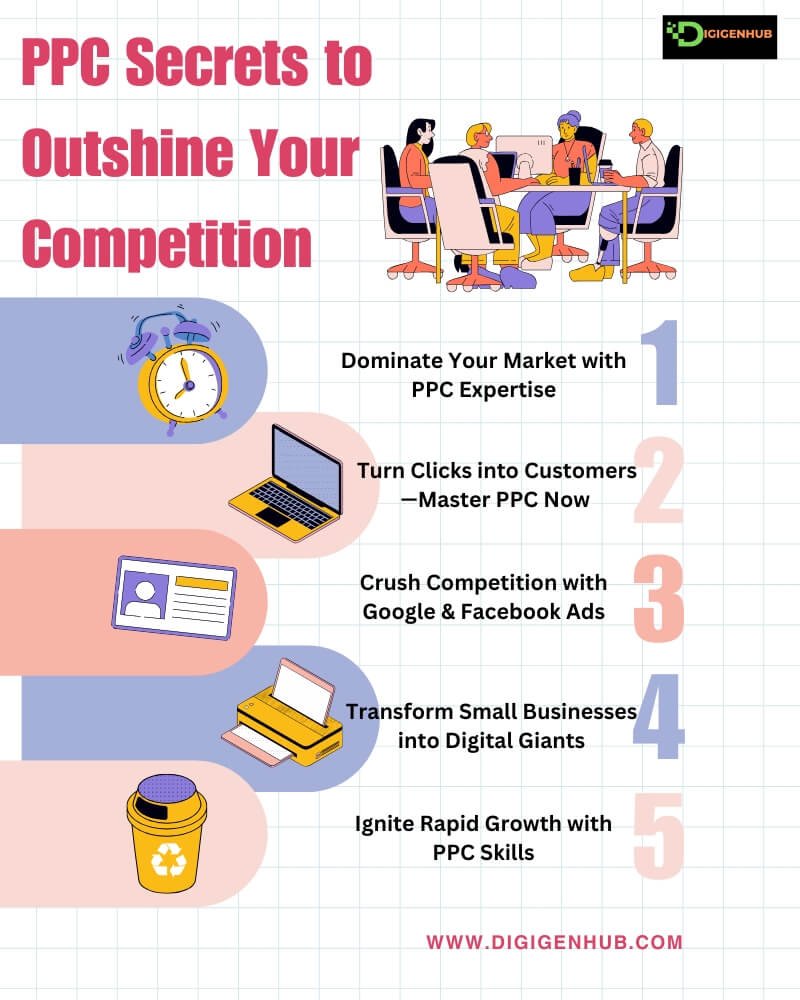
As a conscious online business owner you should know about what is ppc in marketing. It helps you get more leads and sales. Indeed, most businesses have obtained PPC skills to stay ahead in this digital era.
Small businesses, like e-commerce stores, local services, startups and affiliate marketers, need to compete with bigger companies.
Courses from Google Skillshop, Coursera, Mailchimp, WordStream and other reliable courses are great.
Coursera offers courses from top universities. Mailchimp shows how to use PPC with email ads. WordStream’s free PPC University covers everything about Google Ads and Facebook Ads.
With the right PPC training, your business can grow. You’ll gain more customers and make more sales—just like I did.
Chief PPC Marketing Courses for Small Businesses ( Free and Paid)
Investing in functional courses can make your business shine online. So, let’s explain a list of courses for anyone looking to master paid advertising strategies across different platforms:
1 . Google Ads Certification
Website: Google Skillshop
Ideal for those small businesses wanting to improve their digital advertising skills without a large budget.
Pros:
A . Free access to comprehensive, official Google training.
B . Certification from Google, a recognized authority.
C . Covers beginner to advanced strategies.
D . Self-paced learning for flexibility.
E . Increases ROI with better ad management.
Cons:
A . It may be overwhelming for complete beginners.
B . Requires time investment to complete and absorb.
2 . PPC University by WordStream
Website: WordStream PPC University
Businesses wanting to run paid ads across multiple platforms (Google, Bing, Facebook). This free course is great for beginners and those with intermediate PPC knowledge looking to refine skills.
Pros:
A . It covers multiple platforms: Google, Bing and Facebook ads.
B . Free and accessible to all users.
C . Suitable for both beginners and intermediates.
D . Provides actionable strategies for better PPC performance.
E . Interactive learning with real-world examples.
Cons:
A . Limited advanced-level content.
B . No direct certification or official accreditation.
3 . Google Ads for Beginners by Coursera (University of Illinois)
Website: Coursera – Google Ads for Beginners
Ideal for those who prefer detailed, expert-led lessons and a certification.
Estimated Cost: $39/month (Subscription required, typically takes 1–2 months to complete)
Pros:
A . Structured, academic-based learning from a reputable university.
B . Provides a Google Ads certification upon completion.
C . In-depth focus on campaign setup and optimization.
D . Flexible, online learning at your own pace.
E . High-quality video lectures and resources.
Cons:
A . Subscription fee, which can add up if the course takes longer.
B . More theoretical than practical, with limited hands-on application.
4 . Facebook Ads for Beginners (Facebook Blueprint)
Website: Facebook Blueprint
Small businesses looking to target customers on Facebook and Instagram. Great for those with a limited budget who want to focus on social media advertising.
Pros:
A . Free, official training from Meta (Facebook & Instagram).
B . Practical, hands-on approach to ad creation and management.
C . Covers both Facebook and Instagram platforms.
D . Regularly updated with the latest features and best practices.
E . Access to resources directly from Meta.
Cons:
A . Doesn’t provide a formal certificate.
B . Can be overwhelming due to the variety of topics covered.
5 . PPC Mastery by Udemy
Website: Udemy – PPC Mastery
Estimated Cost: $19–$199 (Varies based on sales and discounts)
It’s best for businesses with some PPC experience aiming to scale and optimize campaigns across multiple platforms.
Pros:
A . It covers Google Ads, Facebook Ads and other platforms.
B . Detailed, actionable strategies for advanced learners.
C . Lifetime access to course materials.
D . Regular updates with new content.
E . Offers practical tips for campaign optimization and ROI.
Cons:
A . Not suitable for beginners.
B . The price can fluctuate based on promotions, potentially leading to high costs.
6 . Advanced Google Ads by Skillshare
Website: Skillshare – Advanced Google Ads
Skillshare’s paid course focuses on advanced Google Ads strategies such as retargeting and bid management. It is ideal for businesses already using Google Ads but seeking more targeted results.
Estimated Cost: Around $19/month for Skillshare membership (includes access to all courses).
Prose:
A . Teaches advanced strategies for Google Ads.
B . Focuses on retargeting and bid management.
C . Flexible learning schedule.
D . Affordable with Skillshare membership.
E . Learn from industry experts.
Cons:
A . Requires prior knowledge of Google Ads.
B . Monthly membership can add up.
7 . Mailchimp’s Paid Ads Training
Website: Mailchimp Paid Ads Training
Learn how to integrate Google and Facebook Ads with Mailchimp’s email marketing platform to create effective campaigns.
Estimated Cost: $15–$25/month (Mailchimp subscription).
Prose:
A . Combines Google and Facebook Ads with email marketing.
B . Simple and beginner-friendly.
C . Helps you save on ad costs.
D . Works directly with Mailchimp.
E . Teaches how to make ads effective.
Cons:
A . Need a Mailchimp account.
B . Limited to Mailchimp users.
8 . LinkedIn Ads for Beginners by LinkedIn Learning
Website: LinkedIn Learning – LinkedIn Ads
A beginner-level course focused on advertising through LinkedIn, ideal for B2B marketers.
Estimated Cost: $29.99/month (LinkedIn Learning subscription).
Prose:
A . Focuses on LinkedIn Ads.
B . Great for B2B marketers.
C . Simple and beginner-friendly.
D . Teaches how to target professionals.
E . Access to LinkedIn’s tools.
Cons:
A . Requires LinkedIn Learning subscription.
B . Limited to LinkedIn Ads only.
9 . SEMrush Academy: PPC Fundamentals
Website: SEMrush Academy
A free course covering PPC strategies and SEMrush tools, providing valuable knowledge for beginners and intermediates.
Prose:
A . Free course on PPC strategies.
B . Teach how to use SEMrush tools.
C . Suitable for beginners and intermediates.
D . Helps improve ad campaigns.
E . Provides practical knowledge.
Cons:
A . Limited to SEMrush users.
B . It can be overwhelming for complete beginners.
10 . HubSpot Academy: Social Media Advertising
Website: HubSpot Academy – Social Media Ads
A free course focusing on PPC advertising across social media platforms like Facebook, Instagram and LinkedIn.
Prose:
A . Free course on social media ads.
B . Covers Facebook, Instagram and LinkedIn.
C . Easy to follow for beginners.
D . Helps improve social media campaigns.
E . Teaches effective ad targeting.
Cons:
A . Focuses only on social media.
B . No advanced strategies covered.
11 . Bing Ads Certification
Website: Microsoft Learn – Bing Ads
Free Bing Ads certification course to learn how to create, manage and optimize paid campaigns on Microsoft’s search network.
Prose:
A . Free certification course.
B . Learn Bing Ads campaign management.
C . Teaches optimization strategies.
D . Good for small businesses on the Microsoft network.
E . Boosts your advertising skills.
Cons:
A . Limited to Bing Ads only.
B . Less reach than Google Ads.
12 . Kenshoo Academy (Now Skai)
Website: Kenshoo Academy
A comprehensive course focusing on advanced paid search strategies, analytics and bid management tools for advertisers.
Estimated Cost: Contact for pricing (varies based on business needs).
Prose:
A . Comprehensive, advanced course.
B . Focuses on paid search and bid management.
C . Teaches analytics tools.
D . Great for experienced advertisers.
E . Helps optimize paid ad campaigns.
Cons:
A . Not for beginners.
B . Pricing may vary and can be high.
13 . AdEspresso Academy (by Hootsuite)
A collection of free and paid courses covering Facebook and Instagram advertising, optimization techniques and campaign strategies.
Estimated Cost: Free for basic courses; paid courses range from $50–$200.
Prose:
A . Free and paid courses available.
B . Focuses on Facebook and Instagram ads.
C . Teaches campaign optimization.
D . Suitable for businesses of all sizes.
E . Offers practical strategies.
Cons:
A . Paid courses can be expensive.
B . Limited to Facebook and Instagram.
The Ultimate Guide to Google Ads by CopyBlogger
Website: CopyBlogger – Google Ads Guide
A detailed guide and course focusing on writing compelling ad copy for Google Ads and crafting high-converting PPC campaigns.
14 . The Ultimate Guide to Google Ads by CopyBlogger
Small businesses want to improve their Google Ads copywriting and create high-converting campaigns.
Prose:
A . Free, in-depth guide.
B . Focuses on Google Ads copywriting.
C . Helps create high-converting ads.
D . Suitable for beginners and intermediates.
E . Teaches effective PPC strategies.
Cons:
A . Limited to Google Ads copy.
B . Doesn’t cover advanced PPC tactics.
15 . PPC Advertising – The Complete Guide by DigitalMarketer
Website: DigitalMarketer – PPC Advertising
A complete course from DigitalMarketer that covers Google Ads, Facebook Ads and advanced PPC strategies for performance-driven marketing.
Estimated Cost: $495 for the full course.
Prose:
A . Covers Google and Facebook Ads.
B . Focuses on advanced PPC strategies.
C . Teaches performance-based marketing.
D . Includes practical case studies.
E . Suitable for businesses aiming for growth.
Cons:
A . Expensive course.
B . Advanced content may overwhelm beginners.
16 . Social Media Advertising: Google, Facebook, Instagram by Skillshare
Website: Skillshare – Social Media Ads
Learn the essentials of running Google, Facebook and Instagram ads to optimize social media PPC campaigns effectively.
Estimated Cost: $19/month for Skillshare membership (includes access to all courses).
Prose:
A . Teaches Google, Facebook and Instagram ads.
B . Focuses on optimizing PPC campaigns.
C . Great for beginners.
D . Flexible, self-paced learning.
E . Includes real-world examples.
Cons:
A . Requires Skillshare subscription.
B . Limited to social media ads.
17 . ClickMinded PPC Masterclass
Website: ClickMinded – PPC Masterclass
A paid, high-level PPC training course covering Google Ads, Facebook Ads, conversion tracking and campaign optimization.
Estimated Cost: $997 for the full course.
Prose:
A . High-level PPC training.
B . Covers Google Ads, Facebook Ads and conversion tracking.
C . Teaches campaign optimization.
D . Great for performance-driven marketers.
E . Includes actionable strategies.
Cons:
A . Expensive course.
B . Requires basic PPC knowledge.
18 . PPC Campaigns for Small Business by Small Business Trends
Website: Small Business Trends – PPC Campaigns
Small businesses looking for cost-effective PPC strategies on Google and Facebook.
Prose:
A . Free, practical guide and mini-course.
B . Focuses on cost-effective PPC.
C . Teaches Google and Facebook advertising.
D . Ideal for small businesses with limited budgets.
E . Easy to understand for beginners.
Cons:
A . Limited to basic PPC strategies.
B . Doesn’t cover advanced tactics.
YouTube Ads Training by Google
Website: Google Ads YouTube Certification
Learn how to run successful YouTube ad campaigns and leverage video ads to increase engagement and conversions.
19 . YouTube Ads Training by Google
Small businesses are looking to use video ads on YouTube to increase engagement and drive conversions.
Prose:
A . Free course on YouTube ads.
B . Teaches how to run successful video ad campaigns.
C . Helps boost engagement and conversions.
D . Includes YouTube ad strategies.
E . Direct from Google, a trusted source.
Cons:
A . Limited to YouTube ads only.
B . Doesn’t cover other video platforms.
20 . ClickFunnels PPC Advertising for Beginners
Website: ClickFunnels Academy
Small businesses are using funnels to drive sales and want to set up PPC campaigns on ClickFunnels.
Estimated Cost: $97 for the full course.
Prose:
A . Beginner-friendly course.
B . Focuses on ClickFunnels PPC setup.
C . Helps optimize funnel-based campaigns.
D . Great for marketers using sales funnels.
E . Teaches practical, actionable steps.
Cons:
A . Requires ClickFunnels subscription.
B . Limited to ClickFunnels users.
These courses offer a mix of free and paid options. They cover essential platforms like Google, Facebook, LinkedIn and Bing, along with more specialized resources for mastering social media and video advertising. They provide a comprehensive foundation for both beginners and advanced marketers looking to develop their PPC skills.
Benefits of Pay-Per-Click Training Courses
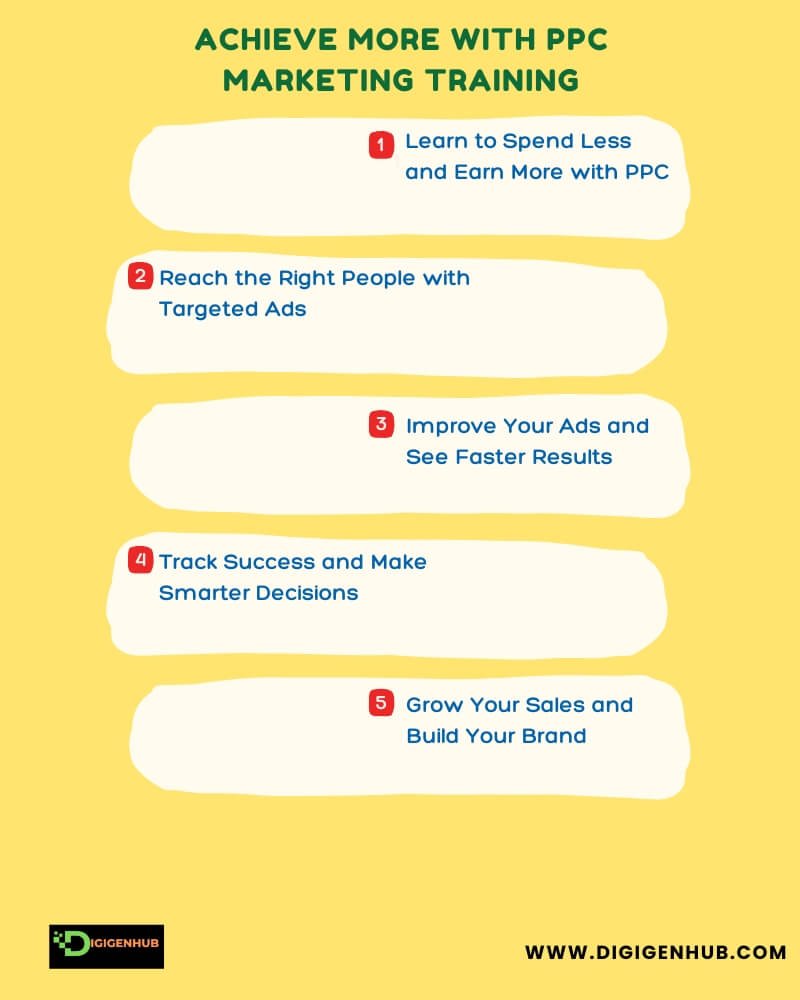
Investing in PPC training can help businesses get better results, reach the right people and grow faster. It’s a valuable skill for anyone in digital marketing. Let’s know what benefits you can enjoy after learning valuable PPC marketing courses:
1. Better ROI (Return on Investment)
PPC training helps you spend your advertising budget wisely. You’ll learn how to target the right people and get the best results for your money.
2. Improved Ad Performance
With the right training, you’ll learn to make your ads perform better. You’ll improve things like click-through rates and conversions.
3. Master PPC Platforms
You’ll get hands-on experience with Google Ads, Facebook Ads and other platforms. This helps you run ads that work well on each one.
4. Financial Discipline
PPC training teaches you how to manage your ad spend. You’ll know how to stay within budget while getting good results.
5. Target the Right Audience
You’ll learn how to target specific groups, like people in certain locations or with specific interests. This means your ads go to the right people.
6. Quick Results
PPC is one of the fastest ways to get more website traffic and leads. Training helps you set up and grow your campaigns quickly.
7. Stay Competitive
PPC helps your business stand out. By learning the best strategies, you can stay ahead of your competition.
8. Make Data-Driven Decisions
You’ll learn how to analyze data from your campaigns. This helps you make smarter decisions and improve your results.
9. Keep Up with Trends
PPC courses keep you updated with the latest tools and trends. This helps you stay relevant in the fast-changing world of digital ads.
10. Flexible and Customizable
You’ll learn how to set up campaigns based on your needs. Whether it’s targeting mobile users or a specific time of day, you can adjust ads to fit your goals.
11. Better Keywords and Ad Copy
You’ll learn how to choose the right keywords and write better ad copy. This means your ads will attract the right people and drive more conversions.
12. Boost Brand Awareness
PPC helps get your brand noticed. With the right ads, you can increase visibility and build trust with your audience.
13. Track Campaign Success
You’ll know how to track and measure your campaign results. This lets you see what’s working and what needs improvement.
14. Long-Term Marketing Skills
The skills you learn in PPC training apply to other marketing areas, too. You’ll understand how to use ads alongside SEO and social media.
15. Increase Sales and Leads
The ultimate goal is to drive sales and generate leads. PPC training helps you create ads that convert more customers.
16. Better Job Opportunities
For individuals, PPC skills can help you stand out in the job market. Many companies look for people with strong PPC knowledge.
Why Small Businesses Need PPC Marketing Courses
PPC (Pay-Per-Click) marketing is a powerful tool. It can help small businesses grow, get noticed and even compete with bigger brands. Let’s see why it matters:
E-commerce Stores
If you sell niche products or cater to a specific group, PPC can help. It brings the right people to your product pages.
Local Service Providers
Are you a plumber, cleaner, or landscaper? PPC helps you connect with local customers quickly and compete with big companies in your area.
Startups
New businesses need attention quickly. PPC gets you noticed in a crowded market.
Real Estate Agents
Independent realtors can use PPC to reach buyers or renters. Focus on ads for specific locations or property types.
Health and Wellness Services
Gyms, clinics and trainers can target local customers who are looking for health services. It’s a great way to stand out.
Online Course Providers
Teach something online? PPC lets you reach students or professionals who want to learn your skills.
Restaurants and Delivery Services
PPC works wonders for cafes, takeout spots and delivery businesses. Target nearby people and boost orders.
Travel Agencies
Promote tours, vacation deals and seasonal offers. PPC connects you with travellers looking for their next trip.
Beauty Salons and Spas
Use PPC to attract people needing beauty treatments, skincare, or relaxation services.
B2B Service Providers
Do you offer marketing, web design, or consulting services? PPC can help you find other businesses that need your help.
Affiliate Marketers
Drive traffic to affiliate links with PPC. It’s a smart way to boost clicks and earn commissions.
Wedding and Event Planners
If you plan weddings or events, PPC lets you find people looking for your services.
Pet Services and Products
Reach pet owners with ads for grooming, daycare, or pet products.
Fashion Boutiques
Use PPC to target shoppers searching for unique clothes, accessories, or sales.
Tech Startups or SaaS Businesses
If you offer software or tech solutions, PPC can help you reach the right users quickly.
Conclusion
Thus, investing in notable PPC marketing courses for small businesses is a smart choice. These courses teach you how to run ads that reach your ideal customers. With the right skills, you can save money, improve your ad performance and see your business grow. PPC gives you control over your marketing, helping you compete and succeed.
FAQ
How to learn PPC marketing?
To learn PPC marketing effectively, start by mastering the core principles. Understand how ads target people and how to set a budget. Run small test campaigns to see what works best. Monitor your results closely and adjust your strategy based on data.
What is pay-per-click advertising?
Pay-per-click (PPC) advertising is when you pay for ads that appear online. You only pay when someone clicks on your ad. It’s used on platforms like Google, Facebook and Bing. The goal is to drive traffic to your website and get more sales or leads.